Something To Say About Miracles

We finally arrive in Penang – exactly one year after our intended arrival date, and well past due we share this story.

For those of you who have met Ayla, you will know that she has a condition called radial dysplasia. She has the fourth stage that is defined by the absence of a radial bone and thumb. Often the condition is associated with heart and renal issues, along with a variety of other potential complications. It is only now that we have her with us that I can share her birth story, or more specifically, her en utero story.

I have heard many people say what a miracle babies are and what a complex process their development is, particularly in the womb. I understood this but never really appreciated it. It was truly amazing with my first to follow the month-to-month stages of growth and how quickly complex systems develop.

I got the condensed version with Ayla as we didn’t discover we were pregnant until the 15th week, well into the second trimester. We were sailing up the eastern Australian coast when I discovered a lump in my stomach, of which it took several days for me to convince John it wasn’t a figment of my imagination. We were a few days out of Cairns when he agreed that there was something evident, of which I said “it is either a good lump, or a bad one.” I figured it was either tumour or a baby and I knew right away which I preferred. A few days later we were able to confirm good news, and the following day we got an ultrasound.

It was such an unexpected surprise. For several reasons we thought I was unable to conceive, so to learn that we would be joined by yet another was fantastic news. During the ultrasound we were told that we would be having a girl and that all looked good in the scan. We were jubilant – a daughter for us, a sister for Braca! We returned to the receiving room to wait for our photos and our alarm grew as our wait was extended. Couples arriving after us came and went while we still waited, and we were finally called back into the examination room. There is a funny thing that adrenalin does to shift the space around you. I am sure everything slipped sideways and created a void as voices started to drift off when the doctor started talked about problems that had been found. Further tests were recommended. Specialists were referred. I walked out in a mechanical daze until I was freed by the open space outside to break down and cry. I called my mother and the words I remember repeating were “my baby is broken.”

We spent several weeks in Cairns seeing specialists who helped us understand what Ayla was dealing with. We had a child with a malformed limb with a host of other serious complications that could present on delivery. Her kidneys could fail. She may need heart surgery at birth. She may have mental disability. Blood transfusions.

Fifteen weeks along and we had some major decisions to make. Were we to carry this child to term? Should we head directly to New Zealand and the safety of a medical system we would be supported by? Could we dare carry forward with our plans and spend the pregnancy in remote regions with an at-risk pregnancy? Those few weeks without a plan and so many factors outside our influence was a very stressful period. I cried my full for the sorrow I felt for a child I couldn’t do anything to help, and worried over the possibility of a future with a special-needs child.

In the end, we decided to press on. Atea and crew would sail from Australia through Indonesia as planned, with sights on Singapore as a base for temporary work. We discussed this with the specialists and agreed that we would get periodic ultrasounds along the way. I did some research on potential delivery locations and found a gynecologist in Penang, Malaysia, who shared a birth philosophy that I was aligned with and who agreed to deliver Ayla for us. I owe my deepest, most sincere gratitude to Dr. Narinder Shadan for his support along the way. His responses were prompt, his manner gentle and sincere as well as professional, and his patronage gave me the confidence to carry forward.

We had a magic season – our trip through Indonesia was filled with dances and festivals, celebrations and local hospitality. It was easy to let my worries get lost in the fullness of our lives, and I embraced that. It was easier for me to put the pregnancy out of mind when results of the ultrasounds along the way confused us with a myriad of different results, all worse than the last.

Lombok and the northwestern Gili group provided a significant change to our plans. Through some close sailing friends I was introduced to Julia, a gynecologist-on-holiday who sat down for a consultation with me – it was a very fortunate introduction. We discussed Ayla’s condition and the risks we were taking of a delivery so far from home. She offered to join me during my next ultrasound appointment, as she would be traveling through Lombok and close to the hospital I would be visiting. On the evening, she was there in advance of us – “us” included John, Braca and I and our French friends Marie & Michel and their two children Nali & Niobe, 2 and 4. We walked in like a fortified battalion of misfit tourists. The doctor I consulted with was using old equipment and was under trained, and so Julia stepped in and ran the ultrasound for him. The conclusion was that I needed more sophisticated equipment to get the results we were looking for, and so we were referred to a specialist clinic across town. Off I went trailed by my eight-strong support team.

The results of the second test indicated that Ayla was loosing weight. She was in the 10th percentile and with it our focus shifted to low birth weight concerns. We decided that we had too much at risk to deliver Ayla overseas and made the decision to return to New Zealand for her birth.

But first, we had to get there. We had a floating home half way between points and needed to find a safe place to leave her. We ran through a few, mostly impractical, ideas before settling on a plan. My proposed solution – ludicrous on reflection – was to sail from Bali to Borneo, sail upriver and trek wild orangutan, then help deliver Atea o Singapore. Once there, I’d hop on a plane with a belly fit to bust and a two-year old, leaving John to job hunt in Singapore while I flew to NZ to deliver a baby and return once we’d received clearance. After persuading John to this plan, I realized that leaving him to his bachelorhood while I roamed Auckland knocked up and homeless was, while a wildly creative plan, definitely not a sound one. Eventually we agreed that I could keep the orangutan if I acceded Singapore. We would put the search for a contract in Singapore on the back burner and take it one step at a time. John would return with me to New Zealand to join in the birth of his daughter. If we could return to Atea soon after delivery we would address work options then. If we needed to stay in New Zealand at the request of our doctors we would be in a position to do so.

Having agreed on plan, we then needed to get both ourselves and our boat over 1000 miles to Danga Bay Marina in Malaysia, with 4 weeks remaining before the flight cut off. Women are denied access to airspace a month prior to their due date, which left us with a lot of distance and little time to get Atea secured before we had to fly.

While our pace was quick, we did schedule in a detour up the Kumai River in Borneo to visit wild orangutan in their natural habitat. With few places around the world that offered such a unique experience I was determined to get there (see video on our blog: X). John always teases me that when I am given option A and option B to choose between, I always choose A and B. We were also able to celebrate our son’s second birthday with our fellow cruising mates before signing off on the season. We then followed a quick pace to get Atea to our designated marina and did so with three days to spare. We madly packed bags and boat not knowing how long our departure was for. I expected a quick return and packed accordingly, however prepared the boat for an extended absence to ensure she would be keep well should be gone longer than anticipated. It was a mad few days in sweltering heat getting things ready for our departure. No feet up on soft cushions for the abdominally-enlarged. We worked steady and hard together, with a day to spare for a sight-seeing tour of Singapore before departure. All would have rolled without comment had the airline staff not stopped me at check-in, two short hours before departure, and demanded that I get a medical certificate confirming me fit to fly. Talk about sending a woman into early contractions! We raced out of the terminal to get a stamp of approval from an airline-approved doctor. Fortunately, the checkup was a blitz – I was asked my age and weight, told to flash him my ankle for visual inspection and waived out the door. It was the quickest, most expensive consultation in my life, and I thanked him for it. We were cleared for travel. Holding my belly, we sprinted off to departure count down and boarded our flight just in the knick of time.

The day after our return I had appointments with the specialists to discuss Ayla’s case. It was quickly determined that Ayla had slipped from the 10th percentile to the 3rd and the suggestion was made for an immediate C-section. I was totally unprepared for that recommendation. We had only just arrived, we were sleeping in a friend’s basement and had made no preparations to receive an infant.

We agreed on a contingency plan and monitored Ayla’s weight, however it was quickly evident that she was continuing to struggle and so on my subsequent assessment I was asked to immediately check in for an induction. A long, drawn out two days later, I held my beautiful baby in my arms.

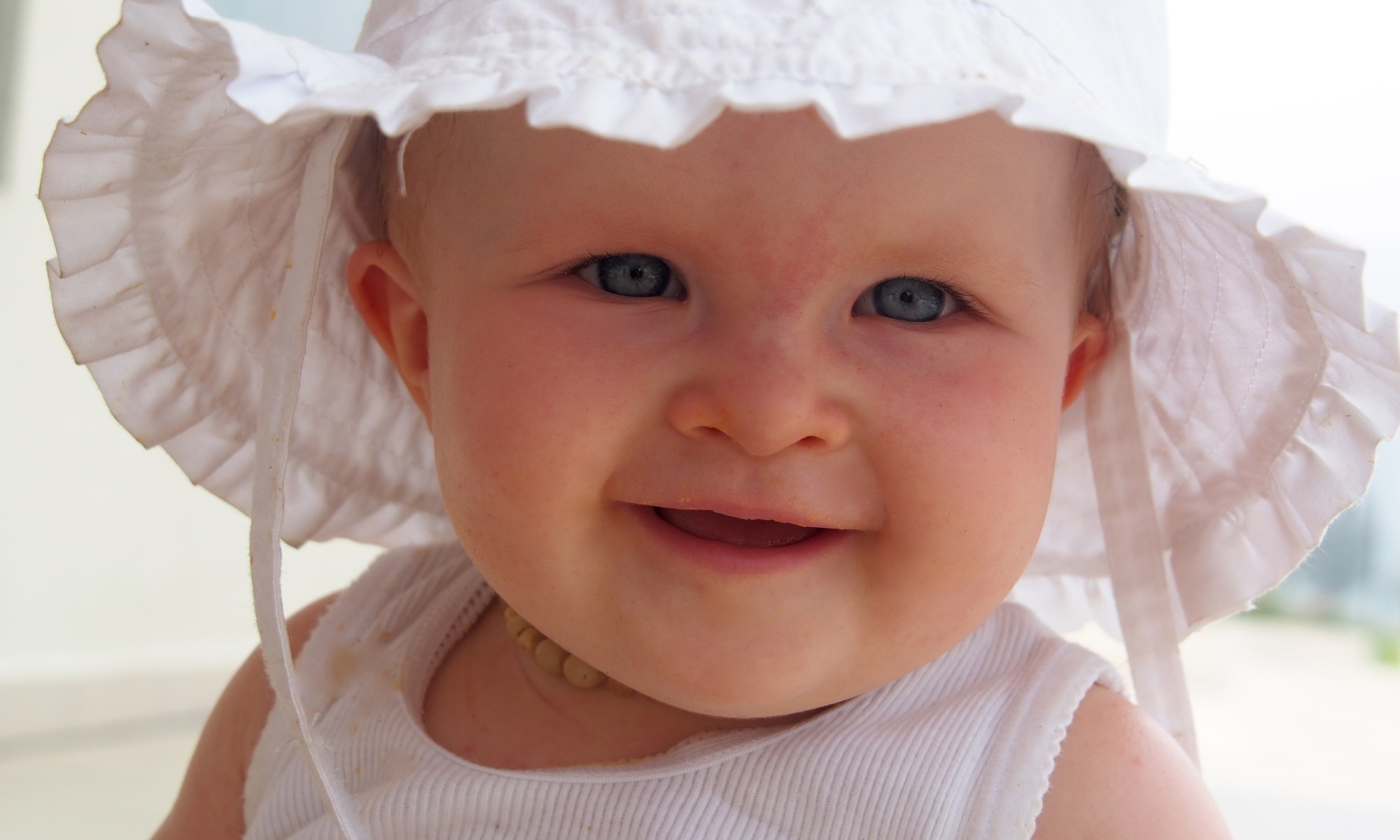
One look at Ayla and I fell absolutely head-over-heals in love. Now, this is the amazing thing about nature: I had spent six months protecting myself and all the barriers crumbled the minute she was placed in my arms. I looked down at the most beautiful face I’d ever seen; blue eyes that reflected my father, graceful fingers that reflected my mother. Johns smile. My nose. I felt so proud of her for the miracle she made happen – she had survived on a single-vein umbilical chord with half the blood supply of a standard birth and she had made it.

It was the right decision that we had returned to New Zealand. We were wrapped up in a medical system that made things happen. As an American it was amazing to be in socialized care within a country with such excellent medical support. Things just happened without draining me of all my sweat, tears and dollars. Within days of Ayla’s birth, she had a full set of detailed full-bodied x-rays, a brain scan, a heart scan, bloods drawn and genetic testing – all reviewed by the top pediatric specialists in the country. I was visited by a Psychologist who offered free support counseling should I need it. Ayla’s pediatric doctor made several visits to check in. After all the emotional pressure of this pregnancy, it was amazing to fly home and fall into the arms of such an efficient medical system.

As always, it is the unknown that is the scariest. I remember a poignant moment when the psychologist called in. After a brief summary, I said how deeply I had fallen in love with my daughter on our first day together. She looked at me with very serious eyes, nodded, and asked, “and how are you feeling about her today?” She was looking for all the things unsaid. But there was nothing other than this floating feeling of elation. We’d made it. Ayla hadn’t been whisked off to an operating theatre or intensive care in her first moments. None of the disasters that we’d feared for her had presented. She had been placed in my arms on delivery and stayed with me every moment since.

And here we are, a few weeks shy of her first birthday. Back onboard Atea in the town we’d intended as her birthplace. I had sent Dr. Narinder an update when Ayla was born and said we’d touch base if we made it to Penang. On arriving, I followed up on that promise and received a reply filled with his typical warmth and enthusiasm. Two days following he came down and joined us at a pub near the marina and we met in person for the first time. He was introduced to the baby we’d hoped he would deliver and we were able to thank him for the support he gave us along the way. Had he not been there, we would have made very different decisions in regard to our movements last year.

While our pregnancy had been a difficult one, no day since her arrival has been. We’d spent six months preparing for the worst and every day since celebrating her progress. During that meeting a comment Dr. Narinder made hit home in a way I had never registered similar comments before. In talking about Ayla, he said what a miracle she was. When I acknowledged him he stopped, held my gaze and repeated, “No. She really is a miracle.” And for the first time I understood just how very, very lucky we were.
Bicycle Spokes and White Rice

We can now officially report that we have “gone cruising.” Dock lines were cast yesterday and we spent our first night at anchor. If feels rewarding to be truly afloat again, with bows pointed to the breeze and salt spray cast across her decks.

It is hot here in September – low 30’s hot, which when breezeless means really, really hot. Matters are worse when smoke fills the sky from burning plantations of palm trees, making the heat seem all the more oppressive. It has taken us some time to adjust to the high temperature but the gauges are tuning and our bodies starting to regulate. We initially stayed in a hotel near the marina whilst Atea was on the hard getting her final work done, the air-conditioned rooms a welcome reprieve. We soon discovered, however, that air-con in these parts don’t have temperature adjustments so we either battle hypothermia or heat exhaustion. I’ve never understood why countries with the hottest temperatures tend to turn their thermostats the lowest – it has always seemed counter-intuitive to carry jumpers around when walking around in the blistering heat. But if you intend to spend anytime indoors the extra layers are necessary. I now understand how Muslim’s can get away with head-to-toe covering when I spend time indoors shivering myself blue.

It took us three weeks to get ourselves sorted for the season, which was the timeframe we expected. While Pangkor may not attract the average tourist, Pangkor Marina does offer a good base to get marine work done. We had high hopes of getting a significant refit done to Atea during her nine months on the hard, but we soon realized that you have to be present to ensure progress. Nevertheless, we succeeded antifouling the hull, polishing the topsides, painting rust spots and the interior woodwork has been rejuvenated. At the last minute we added in an anchor winch service, rudder shaft repairs and a leaking hull valve replacement. After emptying out the bank account, we were finally ready to go. You quickly realize why boatyards are full of foreign cruising yachts. With prices roughly 50% lower than western yards, it is the only place you can afford to have work done… and even then boats quickly consume what money you have.

Of our diet, it has changed considerably since re-embarking on the cruising life. As I reflect through the seasons, the taste and flavour of our meals are highly influenced by the regions we travel through. This one more so than any other. In previous years we have left shore with a yacht stocked for extended periods. Rather than a year of stores onboard, this year we have the luxury of easy access to most foods and we are able to provision as we go. A novel experience. For the first time ice-cream blesses our freezer, which sounds a good thing as in years past the entire space has been jammed exclusively with eye fillet and scotch steak. However, while fruit and vegetables abound, quality meat, breads and cheeses are sparse. The chicken is scrawny and the meat ordered by hue: orange, black or green. As such, a vegetarian diet consumes our meals unless we go ashore. Given meals – good, delicious, full-flavour meals – are a quarter of what the ingredients would cost, eating ashore is a regular affair.

That’s great until you are blessed with a toddler who has little appreciation for spice. As meals in Malaysia are a blend of Indian and Malay culture, very little is served bland in nature. Given Braca’s distaste for meals with a red hot kick, rice is slowing becoming his staple. Ayla is getting her balance of nutrition through breast milk, but Braca has been abruptly deposited into a white rice diet.

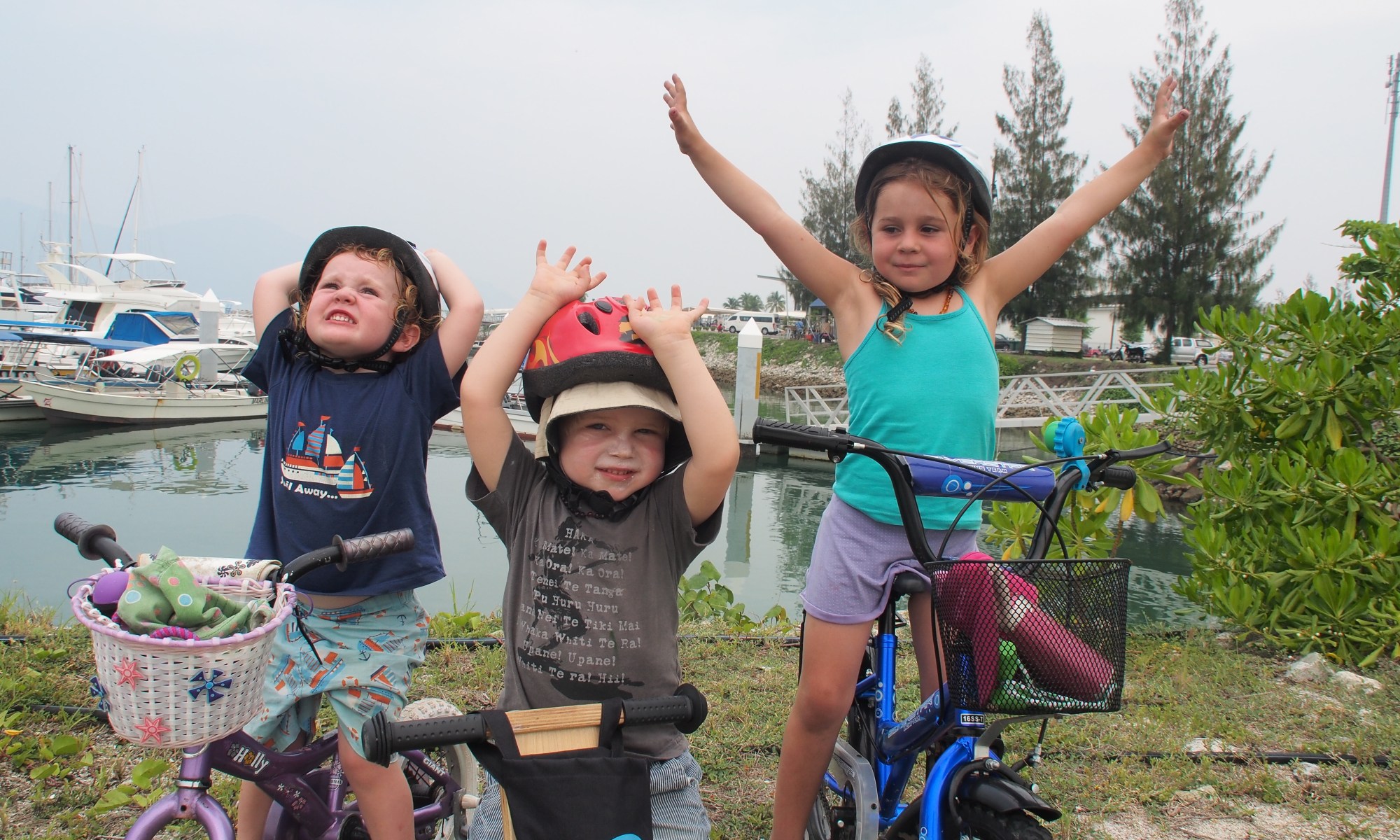
We lucked into good company on our first day. We went to the boatyard to greet Atea for the first time in ten months when we saw two small figures madly peddling along the walkway. To my delight, they turned down the ramp to a yacht at the end of the jetty. I went around to introduce myself and was delighted to meet a very chatty and warm Canadian woman and her Australian family. Her two daughters are two and five, the youngest a month off Braca’s birthdate. We laughed at the kit that comes with kids and how ridiculous some of it was in a cruising context – babies on boats with bikes. John and I had debated before leaving Auckland at how ridiculous it was to bring a bicycle and trike (for the baby who isn’t yet crawling!), but this introduction started a ritual of morning communal bike rides and an immediate friendship. “Where are my girls?!” was the first thing Braca would say in the morning and they’d soon be off as a connected threesome. They would be off peddling around the marina, swimming in the hotel pool, hanging out below decks playing games or attending home-schooling lessons. We also took excursions into town, which provided access to local attractions and activities. SV Wandoo made the three weeks in Pangkor Marina a very social, welcome affair.

We have reunited with old friends and met some new, and social evenings on the aft deck have kicked in to a regular affair. What stands out is that at some point in the evening all conversation inevitably turns to “where to next?” Opposed to seasons past where routes all led westward, piracy in the Indian Ocean means that cruisers have to choose alternate plans to what was once the “milk run” to the Med. From Malaysia and Thailand, most boats head southwest through the South Indian Ocean to round the Cape of Good Hope in South Africa on a return trip to Europe or the Americas. A few brave or foolhardy team up to head through the Bay of Bengal and the pirate waters of the Arabian Sea (or finance the safer but more expensive option of shipping the yacht by cargo ship). Others look eastward on a circuit that leads them back through the North or South Pacific. Us? We have no idea. Or more aptly put, we have many ideas but none that we have committed to.

Sight and Taste of the Spice Islands

[As we prepare for this cruising season, we are tidying up from last season: Here is an update from July 2013 that covers the first few months of our trip through eastern Indonesia.]

In deciding to join the Indonesian rally this year, known locally as Sail Komodo and internationally as Sail Indonesia, we chose to do so not because of its logistical perks but for its social benefits. Indeed, the rally does assist in organizing visa permits and extensions. It organizes immigration and customs visits and the like which saves on the hassle of sorting it out individually and the runaround you often get outside of organizational sponsorship. However our key drivers were much less serious than all that; we wanted rum-buddies & poker-pals to share anchorages with along the way. With 105 yachts signed up for the rally, we were certain there would be a few like-minded comrades that we would be able to join up with.

One hundred and five is a whole heap of boats; about one hundred more than we were interested in joining in a poker match. Fortunately, the rally had organized two route options. Option A followed the traditional cruising route and had the majority of participants. Option B was on the ‘road less traveled’ and had received much less interest. When we first discovered the ratio of 6/99 we thought we’d clearly missed something. We spent a day doubting our choice however concluded that nothing could be worse than following a hundred boats around a cruising circuit. When the Indonesian Government laid down incentives we spent a second day debating what we’d missed: $250 in cash and $250 in diesel to switch, but the offer had only persuaded six boats to defect. One follows the tradition route along Flores, the other strikes north to the mythical Spice Islands.

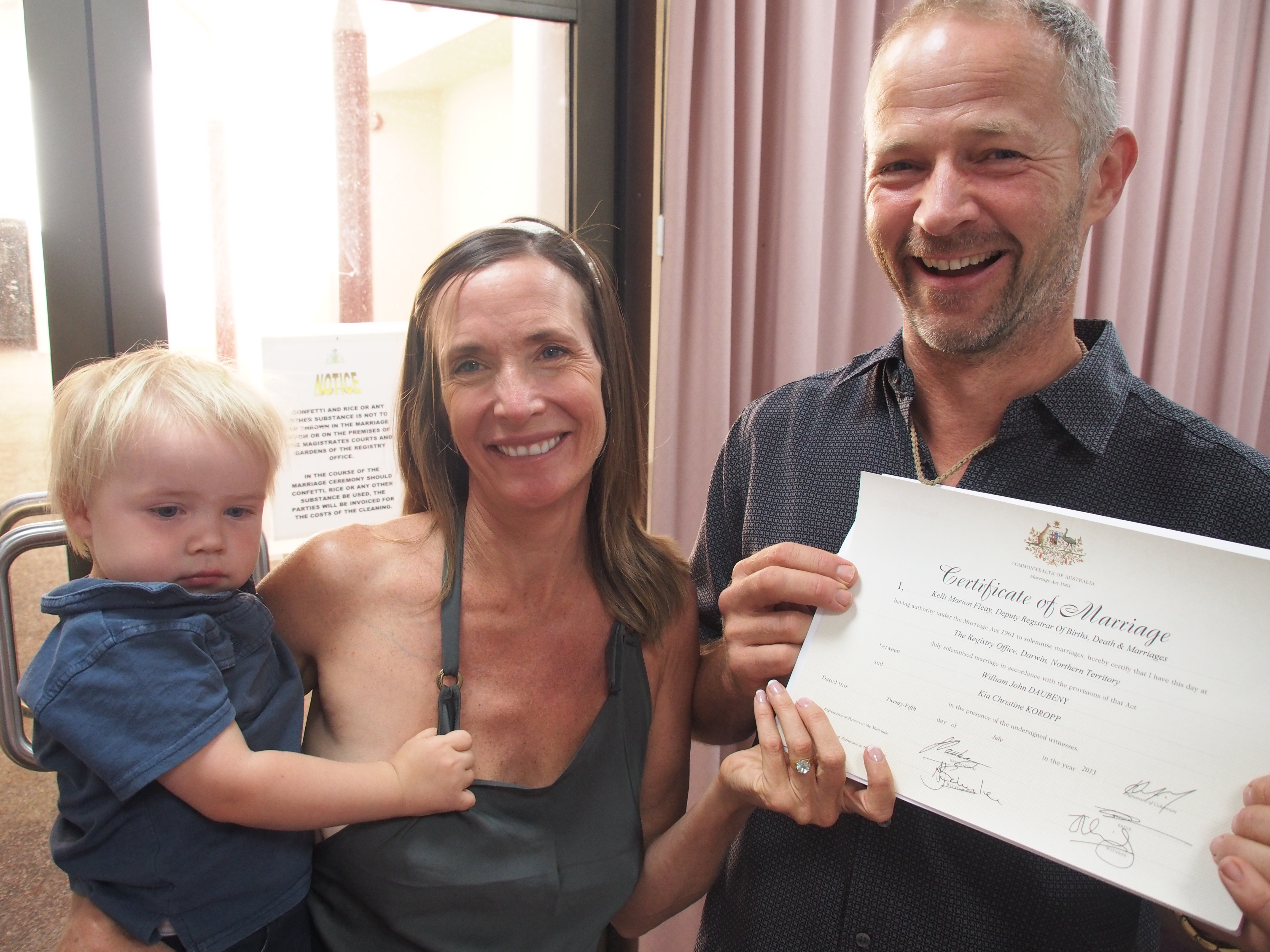
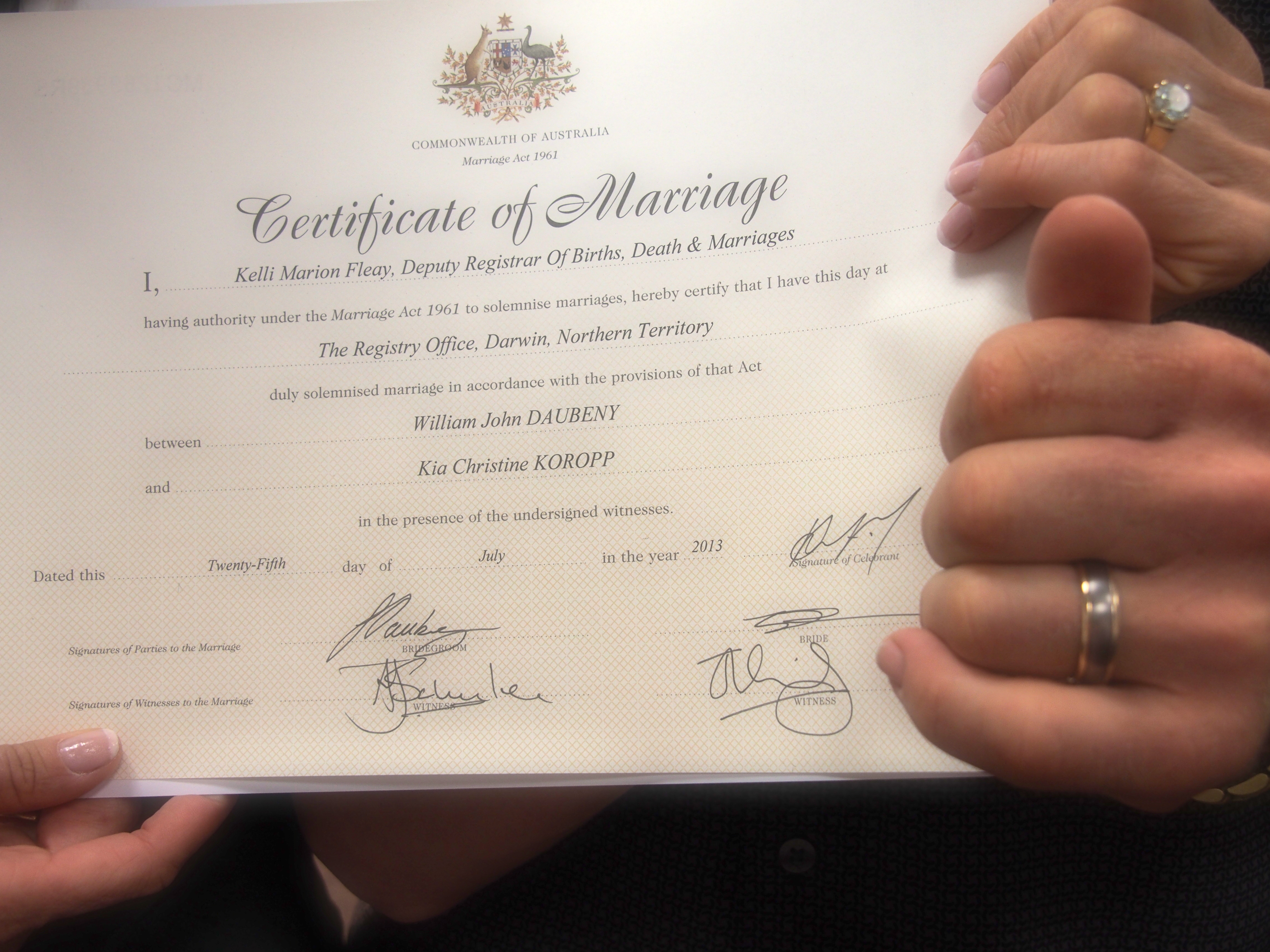
Our decision made, we readied Atea for departure out of Darwin on the 27 of July, two days after our beach wedding. Our route would take us north to the Spice Islands in eastern Indonesia, westward through the little-known diving meccas of Wakatobi and Takabonerate, through the province of Buton and then southwest to rejoin the fleet in the world-famous Komodo Island, land where ‘dragons’ still roam.

After a three-day, rough but fast passage north from Darwin, as we set thankful feet ashore in Saumlaki, our first stop in Indonesia. Two things were immediately obvious: We were welcome guests, and this was no casual cruise. Upon arrival we were quickly wrapped up in a list of welcome ceremonies and official functions and as official guests of the state. Second, the Indonesian people were delighted to see us. As a step off the beaten path, locals were unused to foreigners and Saumlaki is far from a tourist destination. “Hello Mr., Hello Mrs.!” sang out in our ears along with the constant peeping of horns from countless motor-scooters, signaling a warm reception.

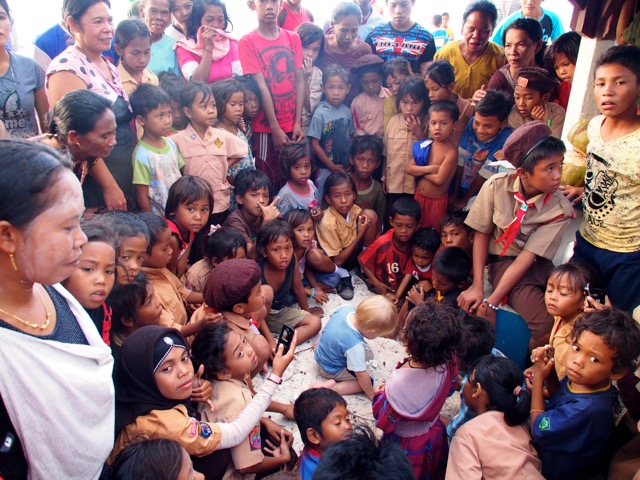
While we were used to Braca being a novelty in placed we’ve traveled, Indonesia is a busy populous country and he was swarmed in mass. Braca was bombarded by pinching fingers and phone cameras every step of the way, and he was quickly overwhelmed by the attention. Our poor little trooper was swamped in attention from adults and trailed an ever-growing crowd of kids wherever he went. The locals have a habit of touching or pinching the cheeks and flesh of babies they admire, and whilst Braca stoically endured this constantly, being picked up by adults became his do not cross line. Last year he was gently loved by the Pacific Islanders, but this year his patience had found its limit and he adopted a new habit of screaming his annoyance if picked up by an enthusiastic local. We coined the term “Braca-razzi” from paparazzi for the crowds of photographers who surrounded our son, and whenever the Brac-Pac was in pursuit we followed closely like security guards.

Braca was not the only youngster to be intimidated, however, as we quickly learned that the screaming babes and toddlers running for the protection of a mother’s skirt was due to our whiteness – it was the first time that these young ones had seen blue-eyed, yellow-haired humans. It made me appreciate just out “off the beaten path” we were.
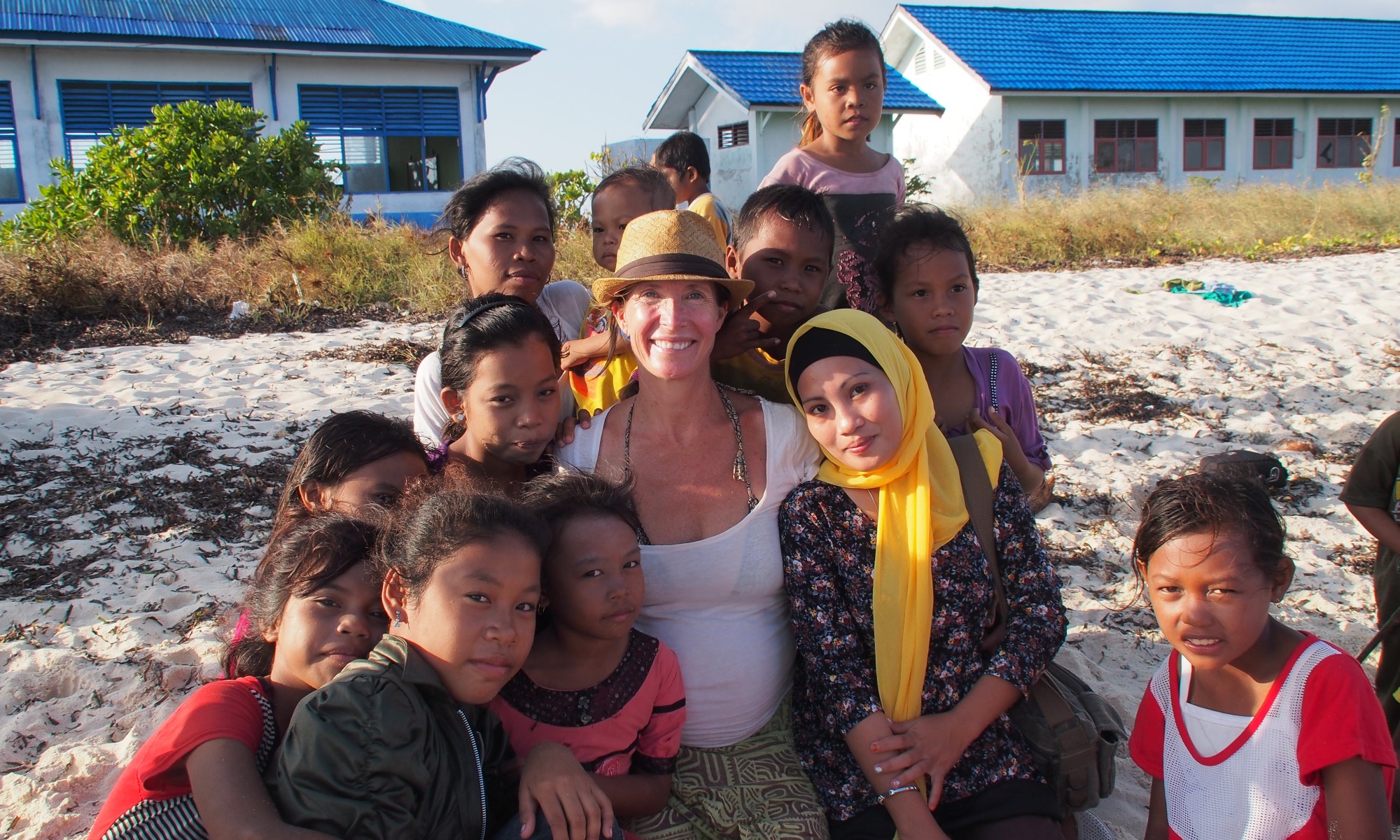
After a week of official welcome ceremonies in the gusty deep-water anchorage of Port Saumlaki, we headed for a quiet stop only 20 miles up the coast which provided an insight to rural Indonesia. We anchored Atea off a beautiful sandy beach and took ourselves in to play on the white sand; before long a few of the villagers who’d spotted our mast wandered down to investigate. As children go, Braca immediately had playmates and we sat with the elder who shared with us stories about his village. We were taken to some charming washing pools in the forest and watched the children splash in the water and the women scrub clothes on the rocks. As the sunlight trickled through the thick canopy overhead, we felt the magic of the moment and the beauty of these cultural exchanges – this was what the lifestyle was about for us, unplanned and spontaneous.

From there it was another overnight passage to Banda Island, center of the lucrative nutmeg trade 200 years ago. Such was the importance of the nutmeg trade that the island was once swapped by the colonial powers in equal exchange for nothing less than Manhattan Island. Today it is a small, quiet but pretty town that sits in front of a towering volcano with a deep volcanic crater that provided us safe harbour. We were anchored stern to the shore alongside our new cruising partners, making new friendships as we adjusted to the dynamics of the rally. Banda has clear waters and great diving to offer, a volcano to climb and a town rich in history so our days were kept full. John took the two-hour hike up through thick bush to the summit of the volcano and was rewarded with a glimpse into the smoking crater, commanding views of the ocean and a sore knee that has not been the same since.

Wakatobi and Buton, our next two stops, lay at the end of a three-day passage westward and showed us the ethical dilemma of the rally. As a government-sponsored event, townships vied for the ability to host the rally and took on responsibility for events and activities to entertain us. It appeared to us that each town tried to outdo the last, as events became grander as we continued onward. Wakatobi offered us fuel and cash to visit and we were not too shy to decline the offer. Thankfully, the warmth of our welcome and the richness of the local events meant that we did not have to question whether acceptance of a gift imposed an obligation – we were grateful to accept both. The feast provided at Wakatobi was fantastic, local dance professionally delivered with plaques and traditional dress offered to us as gifts. Local events were hosted each day and free transportation provided at our beck and call.

Buton posed a slightly different problem, as it was a remote province that was not visited by foreigners and to get there added distance in the wrong direction. We were visited by the governor of the province with a direct plea that we attend his township’s festivities as they had spent six months preparing for our arrival, the “Dance of 12,000 Virgins.” While we had plotted to bypass this in search of some solitude, we felt the pressure to attend – of course we didn’t expect to actually see 12,000 bodies on stage however that is exactly what was delivered.

We were honoured guests to a traditional takoki, which translates to “giant dance.” 12,500 school children had spent the better part of a year preparing for the choreographed dance, professional musicians were brought in and the media was present. We were given “box office seats” in a decorated, designated area – the only covered seating offered to the public. I assume they were expecting a more even distribution of the 100 rally boats, but as there were only 12 yachts on this route the distribution was 1,000 dancers per visiting boat. We felt humbled that so many people had put in so much effort to be part of our welcome, but as the music boomed and the superbly drilled dancers flashed colour and movement as far as we could see, we couldn’t help but be absorbed and overwhelmed by the event. Buton had put on its very best and it was a truly exhilarating experience.

From the pace of back-to-back events and continuous entertainment, it was a welcome relief to leave big townships behind for the quieter pace of remote islands and small villages. Of those, Sagori Island provided an intimacy and closeness with the locals that we were blessed to experience. Idyllic in setting, local children would come out in their dugout canoes for friendly exchange, we would play ashore with imaginatively-crafted games and spend hours hanging out under palm trees with the locals. Braca developed a very sweet bond with one of the girls in particular, and would let no one but her pick him up and carry him around, whereby everyone took to calling her “big sister.” Sadly, it was an exposed and steeply shelving anchorage. When Atea gently carried away the inadequate mooring buoy, John’s prior decision to stay onboard that day saved us from disaster. Sadly we had to leave the island without a proper goodbye to the locals that we’d come to love the most.

Our final stop before rejoining the main rally was at Takabonerate Marine Park, which claimed to have some of the world’s most pristine diving and diverse marine life. We were eager for quiet, lazy days and that’s just what we got. Afternoons filled with nothing but water play, kites and scuba kit, beach toys and paddleboards. There was no village on the island but we were in the company of a few of our fellow cruisers, friends to enjoy a few sundowners with at the end of the day. Takabonerate was a welcome break from the obligations of being an official guest of Indonesia, and it was a break from the admiring – and sometimes intrusive – attentions we received over the past several weeks.

Sail Indonesia has defined the season more than we ever imagined. Once involved in the rally, it was difficult to withdraw to a more normal cruising pattern as the small size of our group meant that we were accountable for attending all of the activities. That said, the events that we were included in were opportunities to see a part of the culture we would have otherwise missed. We were wined and dined and not a cent was asked of us in compensation. We can only assume that the government took this on in an attempt to open the region up to tourism and we were the lucky ones to experience the graciousness and generosity of the locals as a result. I hope our small tokens of reciprocity to the individuals that we met along the way will have them remembering us as dearly as we remember them.

As we head south to rejoin the larger rally group we feel ready to be more anonymous. Perhaps none more so than Braca, whose photo must be on every cellphone in Southeast Sulawezi. Perhaps the locals will not remember the twelve visiting yachts or a dozen trailing officials, but I am sure they will remember with warmth our little blonde white boy, and all the laughter shared along the way. Sail Indonesia may have been sponsored by the state, but we did get to meet the people.

The Seagulls Have Landed

Here we are at long last – home again. As all international journeys go, it has been a long haul to get here.
We departed Riverhaven at 9AM with nine pieces of weight-maxed check-in luggage, five cement-filled carry-on bags, a nine-month old and a two-year old. After negotiating fees for our excess-baggage charge, redistributing weight in our carry-ons and wiping up the urine left at the counter by a near-potty trained toddler, our four-hour lead time to departure was quickly gobbled up. We juggled babies and bags through the international terminal and made the departure gate just in time.

I expected the demands of a long overseas trip to raise some patience-draining moments however Ayla and Braca proved to be capable and tolerant travel mates. We were well into our gin-induced zen state when we realized that we were minus one electronics-laden carry-on luggage. Laptops, cameras, ipods were left somewhere between check-in and the boarding gate and we had a thirteen hour flight to sit and ponder our idiocy and the implications of this digital loss.

We landed in Kuala Lampur at 9PM local (1AM NZ) and dragged eight droopy eyes and one less bag to a hotel near the airport. Whilst the adult contingent was well aware of the collective need for sleep, infant and toddler weren’t briefed on jet lag or the importance of getting on local time as soon as possible. This is not where I mention that John thought he left an additional item on the KL side and dragged a very-awake infant back to the airport at 4AM to scourer the trolleys and carrousel for the missing piece.

Our daybreak action plan was to try and track down our lost bag as soon as possible. After setting the sniffer dogs in motion we indulged in our first moments of the tropics – we donned togs and spent the morning evading early heat in the oasis-style pool. By 10AM we were back at our hotel room, by 10:15 we had confirmation that our bag had been located and by 10:30 we were off again on a four-hour taxi journey to Lamut, our final destination and Atea’s home for the past ten months.

Our current room has a marina view that looks out on Atea’s mast. The reunion has been quite sweet and all looks refreshingly good onboard. The work done on Atea has given her a much-needed facelift, and for me her interior is in equal portions beautifully familiar and intimidatingly small. We will adjust to our reduced space as outdoor time exceeds indoor life.

Alas, the travel dramas we expected didn’t materialize and those we didn’t anticipate have cost us. The kids are adjusting beautifully other than haphazard sleep and we are preparing for a few busy weeks ahead as we prepare Atea for the next season. And somewhere in that time we will need to find space onboard our little capsule for 215kg of luggage broken down to 180kg of toys, 20kg of boat bits, 12kg of Kia’s kit and a meager 3kg for John.

Traveling Vagabond: City to Savannah, Bush to Sea

A fateful meeting at Merrill Lynch in Seattle set in place the key elements that defined the next ten years of my life [Kia Koropp].

As was “the American Way,” I had spent above my earnings and sought out a financial advisor to help me reclaim fiscal balance. During that meeting I discovered a nest egg in my investments that freed me of all my debt plus left a large capital sum in reserve. Four days following that meeting I was on safari in east Africa, and within six months I had boxed up all my belongings and said my farewells with a one-way ticket in hand.

In 2004 I left Seattle on a return trip to Africa. I lived in Kenya as a youth and had always wanted to return as an adult; I finally had the opportunity. In route I visited my birth country, Puerto Rico, hopped on a yacht sailing through the West Indies, and spent time backpacking through Europe and Morocco. From there I joined an overland company that ran land tours through East Africa. I spent the first part of the year as an overland courier running trips through Kenya, Uganda, Rwanda, Tanzania and Zanzibar. I experienced all the classics such as sighting game in the big parks, kayaking down the Nile, trekking the mountain gorilla, diving in Zanzibar. Misadventures included being chased down by a pissed off rhino, bitten in my arse by fire ants, malaria and septic infection, Highlights were sensory overload and opening my eyes to the delights of the amazing African continent.

My next stage was independent travel south through Malawi, Zambia, Zimbabwe, Botswana, Namibia and South Africa. After settling myself into a base in Cape Town, I started to look for my next opportunity for work. I was most attracted to dive opportunities in Mozambique. Connections led me to a mad South African (the pioneer in white shark diving in SA) who was running a dive shop in Inhambane, Mozambique and arrangements were quickly made.

I spent the next year running dive operations in a very remote area of Mozambique, taking sole charge of the dive centre that catered to visitors from Czech Republic. My only colleague was a local who spoke no English, and we managed on a linguistic foundation based on his understanding of Portuguese and mine of Spanish. The Czech business owner and I were equally disadvantaged, and we communicated with gestures and a translator – often ending in misunderstanding and comedy. The diving there was magnificent and I advise anyone with an interest in the underwater world to put this region on the top of the list. With two seasons of whale shark and humpback, manta and dolphin, the area was rich in marine life both in novelty and diversity. I had the honour of riding on the back of whale shark, swimming with humpback, gliding on the wing of manta, and caressing giant moray. I had the pleasure of meeting and befriending local villagers and becoming familiar with their ways. I fell in step with a very different way of life, and I am so privileged for the experience of it.

Deciding that it was time for a new stage in my travels, I left Africa in mid 2006 to fulfill a commitment to sail across the Pacific with a friend of mine. I returned to Seattle and departed in July (6/6/6 – somewhat ominous) on a 32’ sailboat set for adventures on the high seas. We were inexperienced in open ocean sailing and navigated ourselves across 12,000 miles on a six-month passage, crossing from San Francisco to Hawaii, south to the Society Islands, west to the Cook Islands, onward to Tonga and, finally, south to New Zealand.

We arrived in Auckland December 17, 2006 and I decided to extend my time in New Zealand. I spent my first year based in rural northland, then moved into the heart of Auckland city having been issued a work permit and authorization to stay. Auckland felt like both a step back in time and a welcome return to a tech-rich industrialized nation. I was once again in the world of cappuccinos and fine wine. It no longer took me a half-day to get to the markets or to provision the boat; staples were around the corner and I didn’t need to shop for a month’s supply. Fresh fruit ad infinitum, the endless supply of edible gold, was a luxury I had almost forgotten.

In August 2010 I met John on a kitesurfing holiday in Aitutaki. By early 2011 we decided to start two new adventures: Babies and boats. On 5 May 2011 we sailed north for Fiji and Tonga on our 50’ Ganley Solution, 17 weeks pregnant and a return for both of us to a life at sea.

From here our story picks up in our first blog post and takes our readers through our first season in Fiji and Tonga; our second in Vanuatu, the Solomons, Papua New Guinea, and Sydney; the third in the Great Barrier, Northern Territories, and Indonesia. As we prepare for our fourth season toward Malaysia, Thailand and onward, our adventures will continue to be told through posts on sv-atea.com.

Welcome to our journey.


First Sight of Snow

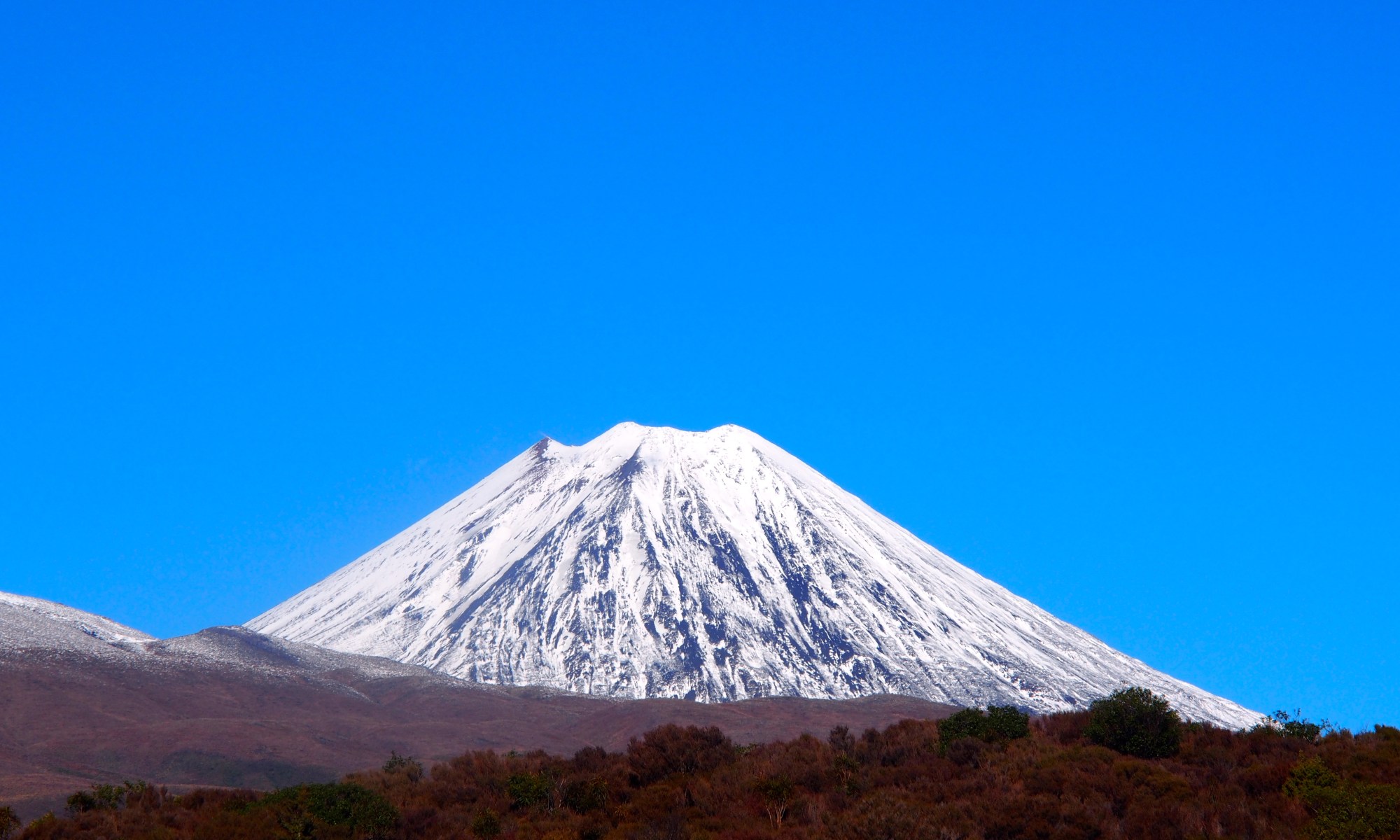
We took Braca and Ayla to Mount Ruapehu to show them their first sight of snow. The objective was to have fun, to sled down a hill and to build a snowman.

Our success was marginal.

Orangutan in the Wild

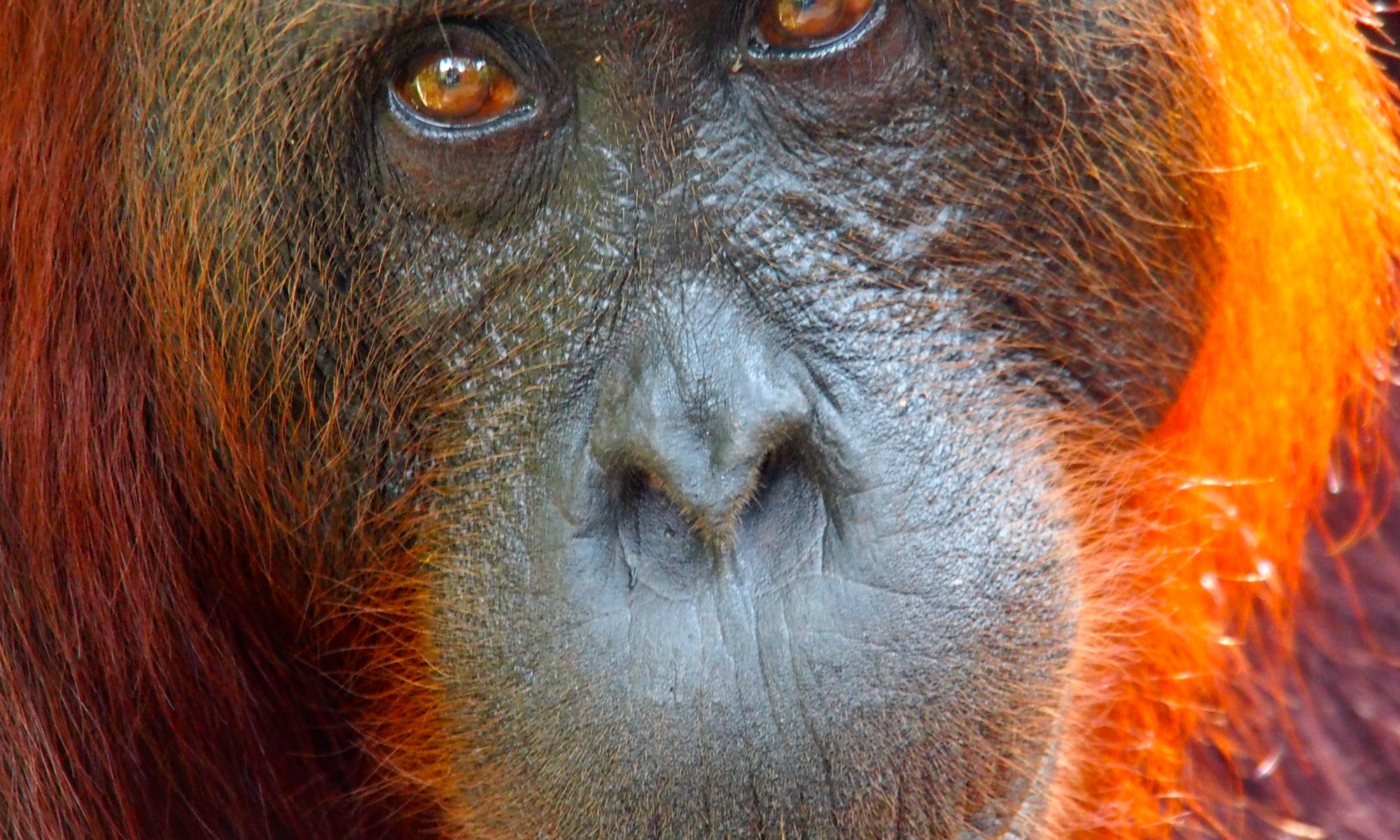
At the conclusion of our last season, we sailed north from Lombok to Kalimantan for the sole purpose of experiencing orangutan in the wild. We sailed 463 miles north/northwest to Kalimantan, and took Atea a further 40 miles inland up the Kumai River to join some of our cruising buddies for a four day riverboat trip up a subsidiary river to track and view orangutan in their natural habitat. It was well worth the trip to get there. After that, we made fast tracks – 600 miles – to get Atea to Malaysia as we had a flight in two weeks time to return to NZ for the birth of our daughter, Ayla Kai. We just made it!
Ocean Vagabond

sailing 6 The circumnavigation of VIOLETTA  1993 to 1997

 In some ways the voyage of ATEA started 20 years ago when John set out from England in a tiny sailboat….

After a successful time at school and then Durham University, I joined the Royal Navy in 1989 and transferred to the Submarine service in 1991.  It was a time of cutbacks in the Armed Forces and I felt that this was not the right path for me, so I applied for redundancy from the Navy in 1993.  At the age of 25 I simply wanted to travel and explore and was inspired by the stories I had read about long ocean voyages in the tropics.  It was a big change from the security of the Navy and the focus of my upbringing to date, but suddenly I had the time, the boat and the money to take off for adventure – so I did.


I asked my friend Clive to join me and we decided to sail my little boat “Violetta” to New Zealand.  Clive was another ex-service man who had always loved travel, and although he knew nothing of the sea, I didn’t think that this would be a problem.  We planned that the challenge was to be in the journey rather than in the sailing.  Violetta was a small and old boat, and we intended to enjoy the trip, so the route selected was easiest: the Tradewind classic of going “South until the butter melts” and then turn west to the West Indies, through Panama and across the wide warm reaches of Polynesia.  The boat was a 27 ft sloop, long keeled, quite traditional in design and very small compared with most modern cruising boats.  She had no long-range radio, a small engine, limited creature comforts and was cramped below, but she was sturdy, seaworthy, and would prove to be a very safe, simple and capable craft.  I had plenty of coastal sailing experience and a strong nautical background, but little small boat open ocean experience.  That was about to change and we sailed from Plymouth in August 1993.
 

Almost as soon as we had started, with England a mere six weeks and 2,000 miles astern, a tragic accident on the island of Madeira wrecked the plan.  Clive and I had separated to allow him to walk across the island, and so I sailed around to meet him on the other shore.  When Violetta and I reached the other side, we anchored in a heavy swell, and waited for him to arrive.  The afternoon passed and Clive did not appear, so I put to sea for the night, returned again in the morning, and waited once more, but there was still no sign of him.   Confused and worried,   I returned to the capital on the other side of the island, with the thought that he might have missed me and returned by road.  There was still no sign of him, so I went to the police and reported him missing in the hills.  Groups of yachtsmen helped me and we searched the island for days, but never found a trace.


My best friend had died in the hills and we had found nothing.  We had planned a sailing trip together but within a few weeks I was alone on the boat, and my fingerprints remain on an Interpol database since the circumstances were deemed ‘unusual’.  Many months later, after Violetta and I had left Madeira and sailed southwards, evidence of Clive’s body was found on the island and the best theory we have is that he fell off the path to his death.  I never considered abandoning the voyage since surely I could find crew somewhere en-route?  In fact I did not find crew until after we left New Zealand two years and 11,000 miles later and so, by unfortunate circumstance, I was about to become a long distance singlehander.


With the trade winds gathering strength and a long-term timetable in mind, I was committed to making the passage from Tenerife to Antigua by Christmas.  The North East Trades were steady across the Atlantic and the conditions were good for Violetta’s first ocean passage.  My routine at night would be to get up every hour on the hour to take the log reading and check our course, look out for squalls, lights and so on.  If all was well I would then sleep for another 50 minutes.  This routine still left me open to being run down by a ship or another yacht, but we were out of the major shipping lanes and one just has to take the chance.  After 25 days Violetta and I arrived in the beautiful English Harbour, Antigua, just in time for Christmas in the bars and the sunshine of this most lovely port.


There are literally thousands of yachts cruising in the warm waters of the world, and the Caribbean is one of the most popular areas.   I met many wonderful people whilst sailing, people from all walks of life and of every nationality.  There were computer technicians from the UK, a butcher from Switzerland, a university lecturer from San Diego, an Electrician from Sydney, café owners from Auckland, and many other escapees from the rat race of all ages.   There was the American military veteran who daily threw his cat overboard “so that he would know how to swim when the time comes”.   There was the Swiss ex Olympic canoeist whose bright pink homemade boat, plywood canoe, and beautiful girlfriend regularly drew heads on their paddles through the anchorage.  There were boats where the greeting onboard came with a glass of Pastis, whatever the hour. There were boats where the food was always beans, and the only the choice was ‘What sauce today?”.  It was a pleasant, large and social cruising community, we all had a common interest and we all helped each other.


From the Windward and Leeward islands of the Caribbean, Violetta and I travelled westward in strong trade winds to the port of Colon at the entrance to the Panama Canal arriving late in March ’94.  Very specific preparations are needed to keep a small yacht safe in locks designed for 900 ft vessels and with millions of gallons of water in motion.   We had to carry 4 line handlers, 4 heavy warps of 120 ft in length, a pilot and the skipper for the whole transit.  We shared the locks at Gatun with a cruise liner, her passengers crowding her rails many feet above my head. Transit of the locks went smoothly but when we entered the canal’s fresh water lakes, the reduced buoyancy of fresh water coupled to our full load of line handling ‘heavies’ caused the cockpit drains to submerge and our pilot was alarmed to find his feet getting wet.  This was also the day that we saw a crocodile, whilst drying off after a swim!  My first Pacific sunset was seen on 4 April 1994, and I was soon off westward again.    There was an unpleasant time adrift with  no engine in very thick fog off the Galapagos Islands.  It was quite eerie with no wind, no sun, no seas, no moon, no motion, no noise, no sky and no link at all with the outside world for 3 days – I felt helpless drifting in a strange ocean with no one to share it with.  I was alone, far from home, and had suffered some losses since leaving the UK, but my fortunes were about to change and the warm trade winds in the South Pacific were gently blowing us towards French Polynesia.


After 35 days at sea, Violetta reached these fabled islands of the southern pacific.  Memories of the months that followed will include enchanting native music drifting across a perfect sunset; beautiful wahine adorned with garlands of lush flowers; jade mountains jutting from azure seas; diving amid shimmering curtains of brightly coloured reef fish; and lazy days in calm lagoons. Tahiti has held a special place in the minds of European sailors ever since the first explorers waded ashore to their welcome, and I had timed my arrival to be there during the July festivals.  Every night the town square was filled with rows of beautiful dancing girls in grass skirts, all  with flowers in their long brown hair; it was quite entrancing.  As we progressed ever westward, my routines on the boat were becoming more refined and I was well adjusted to the life and within the yachting community one was rarely alone or without help.  The distances covered in the Pacific are worthy of note since we tend to forget the size of the world’s largest ocean.  By the time Violetta and I turned south from Fiji we would have covered 6,000 miles since Panama, and I recall setting out from Bora Bora to Tonga as if it was a routine passage – in reality that leg alone is 1400 miles, little short of the total length of the Mediterranean and a far cry from the mere 60 miles of English Channel that separates UK sailors from their closest foreign shore. Despite an engine that wouldn’t start we travelled safely through French Polynesia and the island groups of Tonga and Fiji during the sailing season of 1994.


By late October we were in Fiji, and it was time to leave the tropics before the oncoming cyclone season and head south to New Zealand.  It was a rough and cold passage, with either headwinds or calms.  Violetta’s engine had starter motor problems and had been out of action for many weeks, so we were helpless in the calms, and it was on this leg that I logged our lowest ever 24 hrs run, a mere 10 miles.  But after 14 days, on 4 November 1994, I sighted Rangitoto island, the squat and brooding volcano that marks the entrance to Auckland Harbour.  An escort of dolphins played around Violetta as she romped towards the goal Clive and I had set out for 15 months and 13,000 miles before.


Having sailed half way around the world and thrived on the voyage, Violetta and I were never really going to stop until we had completed the full circumnavigation.  The boat was quite capable of going on, and I had time and money still to spare, so after a year in NZ, we sailed on for Australia in December ’95.  The Tasman Sea showed a little of its reputation for tough waters and hard crossings and I was cold, wet and tired when we arrived after a 14-day passage in Sydney on Christmas Eve .  After two months it was northward up the Australian coast, away from the temperate winter and back to the warmth and pleasures of the tropics.  A very significant change to life on the boat was the addition of a charming New Zealand girl who was tolerant enough of the cramped conditions onboard to sail with Violetta and me.  Having Karen onboard added the touch of a woman to my cooking, the touch of a friend to share sights with, the touch of extra safety in reef-strewn waters, and most of all, the touch of love to my life.


As we travelled northwards along this vast coast and the Great Barrier Reef, life on board had never been so good; we caught fish, we dived at some of the top dive sites in the world.  We travelled inland to the wonders of the Northern Territory. By August ’96 Karen and I found ourselves in the islands of Indonesia, a land where the locals still regard white people as something of a novelty.    It was sometimes tiring to have a trail of local children whenever one set foot ashore, but with so much laughter and interest sparkling in their brown faces one couldn’t complain.   One evening in particular remains in my mind from these happy months:  Violetta was at Fitzroy Lagoon, a submerged atoll of the Barrier Reef; we were anchored in calm water with no land and no other vessels in sight; the sky was clear and like black velvet studded with the diamonds of stars from horizon to horizon in all directions; music playing gently on the stereo; the achievements of a good days sailing behind us; a glass of wine to hand; the aromas wafting upwards gently from the fresh fish in the frying pan; a beautiful girl sitting beside me. What more could a man ask?


After Karen had returned to NZ in September 1996, Violetta and I carried on through Singapore, Malaysia, and Thailand, to the Bay of Bengal, Sri Lanka and the Indian Ocean.  Although it was a fascinating experience going ashore in these far off lands, sometimes  I wished we were back in more familiar waters.  Violetta was showing the signs of her 20,000 miles voyaging with leaks from the stern gland and problems with the roller furling.  To keep her going was a constant task, and I would need to replace the sink, patch the water tank, fix an autopilot, rig a new VHF aerial, reattach halyard winches, stitch worn sails;  the general wear and tear never ceased.   An American called Fred joined me for an idyllic passage across the Indian Ocean and by March 1997 we were in Aden, ready to tackle the northward passage up the Red Sea.


This area has a tough reputation for cruising yachts, with few facilities, strong headwinds, conflicts and war on the coast.  It was the time that the yachting community really came to the fore and I travelled in close company with another yacht all the way.  It was on this leg of the voyage that Violetta had her most serious breakage, when the forestay broke one hard windy morning.  I was so proud of my little boat after we stopped, rigged a jury stay and sailed onwards independent of support, always pressing north to the Suez Canal.  As a team we towed, encouraged, assisted and led each other northwards.  By the time we got to Suez, boats of the fleet had been rammed and fired upon, masts and stays had been broken, engines and instruments were faulty on some, food supplies were low, and the extra stocks of fuel and water that we carried were also getting low. However, there were the pleasures of diving in crystal clear waters, the sights of camels at the waters’ edge, the exploring of the ancient temples of Luxor, and everywhere the sand and clarity of a harsh yet beautiful land.


Violetta and I reached Cyprus in April ’97 and after a period of maintenance for the boat, rest and cold beer for me, I sailed with a girl called Alison for the last leg of the voyage back through the Mediterranean.  It has been said of the Med that “There is either no wind or it is blowing a gale.  And it’s always a headwind”.   This isn’t far from the truth, but we got to the south of France without too much trouble, lowered the mast, went into the canals of Bordeaux, and left the oceans behind for a few weeks. After months in blue seas and sandy tropical islands, it was fun to be motoring along canals lined with trees and flowers.  It was fun to be working the locks rather than the sails, and fun to be enjoying fine French wine and cheese as opposed to an assortment of warm beers, rum, tinned food and vegetables kept for too long in a small boat.  My mother was onboard for this leg, spending time with her son who had been overseas for four years and who she knew was due to leave on a one way ticket for New Zealand within weeks of getting back to England.  The whole voyage had taken me to 35 different countries but I had loved New Zealand most of all, and decided to return there to continue life after the sailing was completed.


In August ’97 we left the canals, sailed around Ushant and into the Channel.   I was used to making landfalls by now, and vastly more experienced than when Clive and I set out four years previously, but I was shaking with emotion when the English coast rose slowly above the horizon.  My tiny little boat had sailed around the world.  From her decks I had seen countless tropical sunsets, endless rollers blowing in the trade winds, swaying palm trees and deserted white sand beaches; we had anchored in azure lagoons, in sandy inlets with camels standing at the waters edge, and in rainforest with crocodiles lurking in the muddy depths; on her decks I had caught fish, eaten lush fruits, drunk rum with friends from all nations and fallen in love under starry skies.  Violetta had sailed over 29,000 miles, but my own journey had been infinitely longer, taking me far from a comfortable childhood and out to the wide world.   This landfall was the end of it all, the circle had been closed and the sailor was home from the sea.

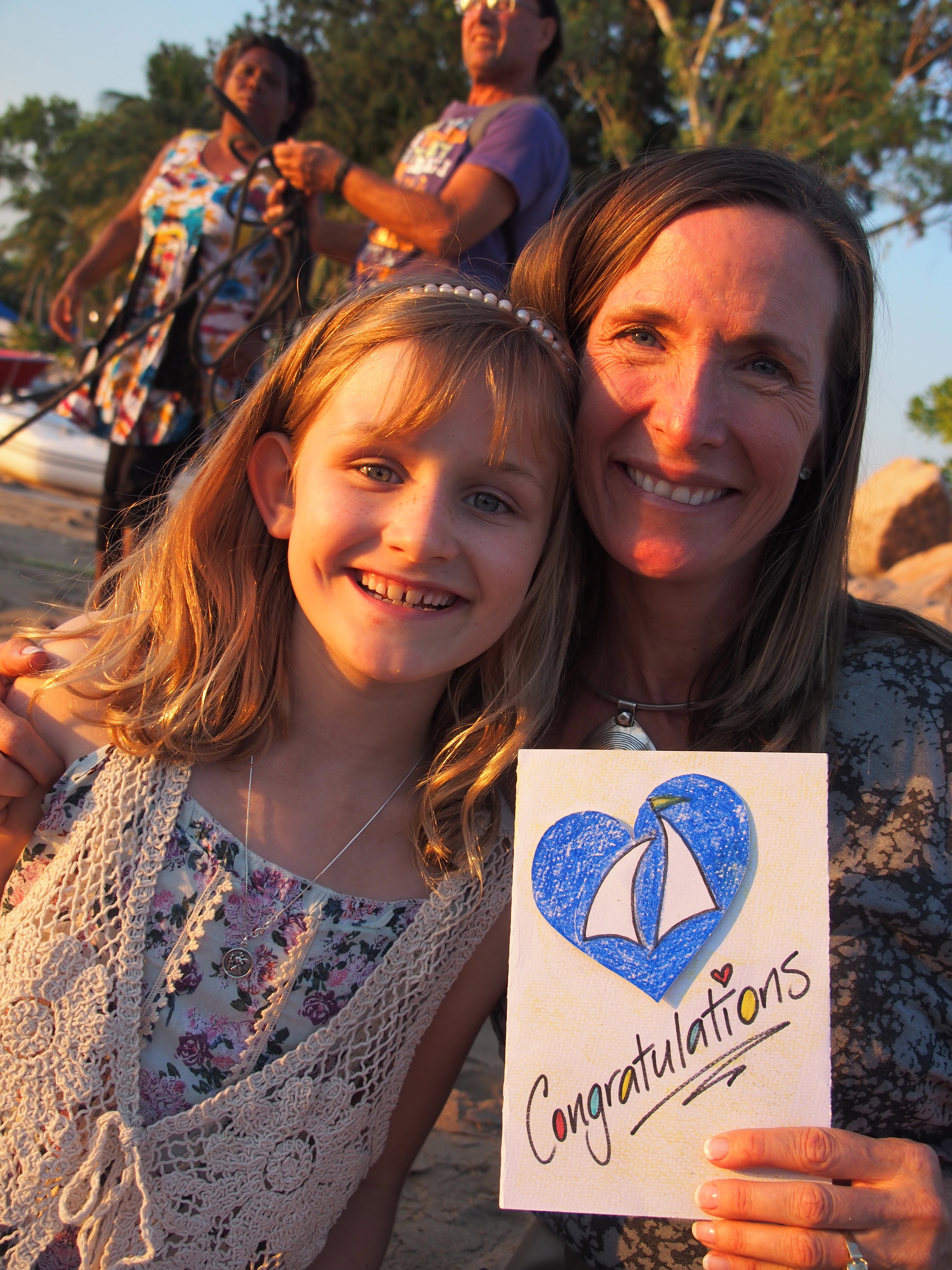
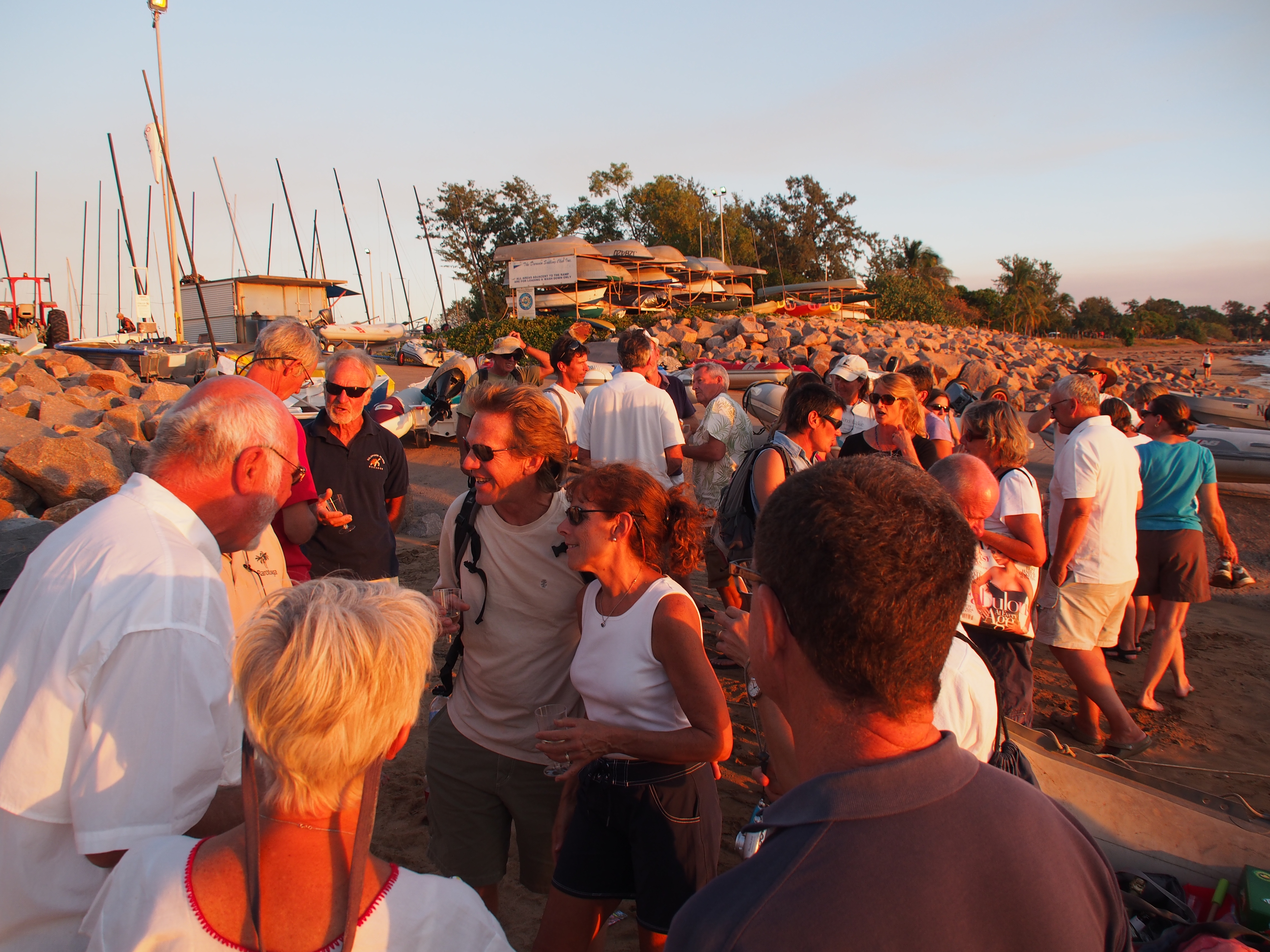
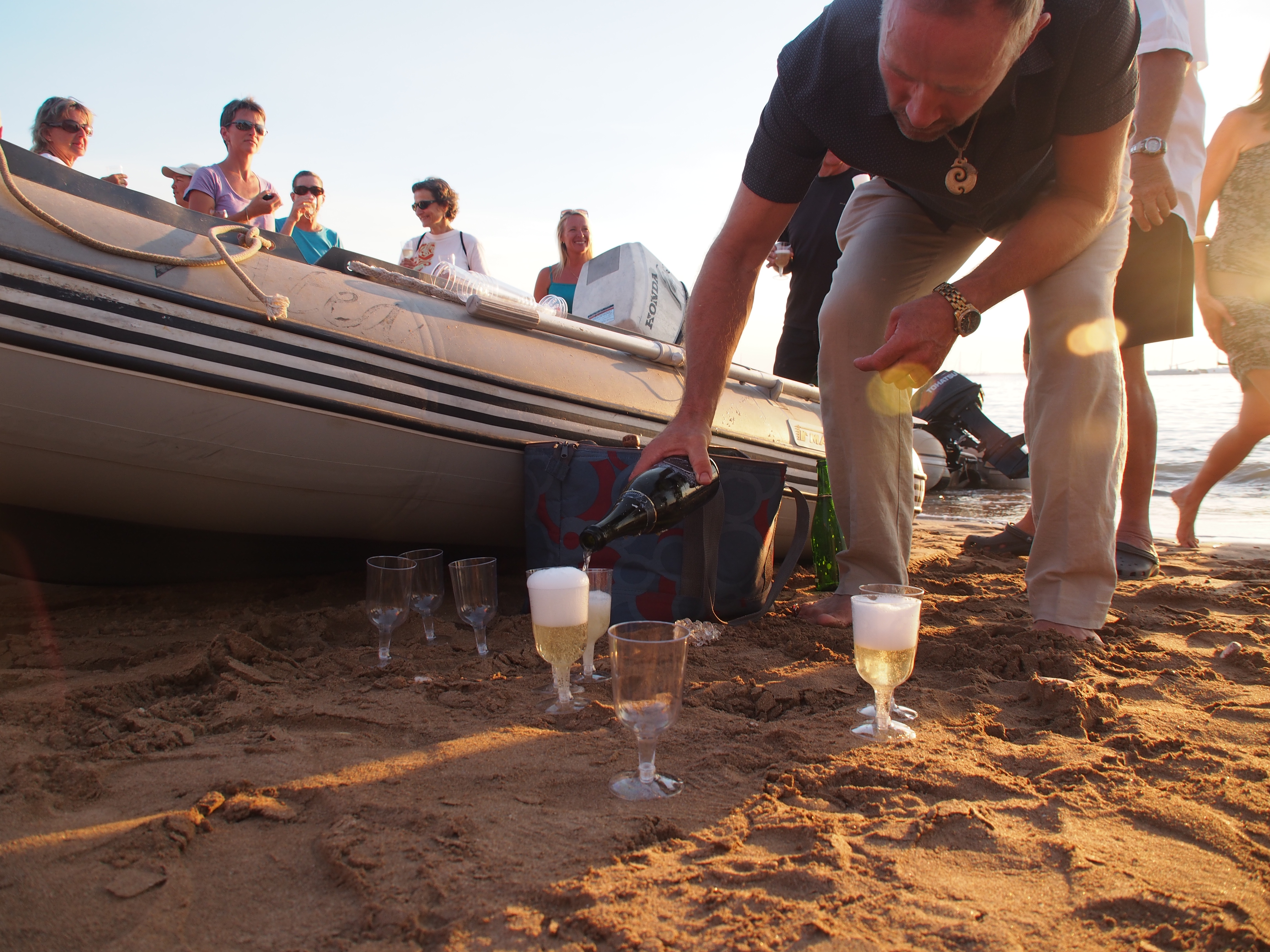
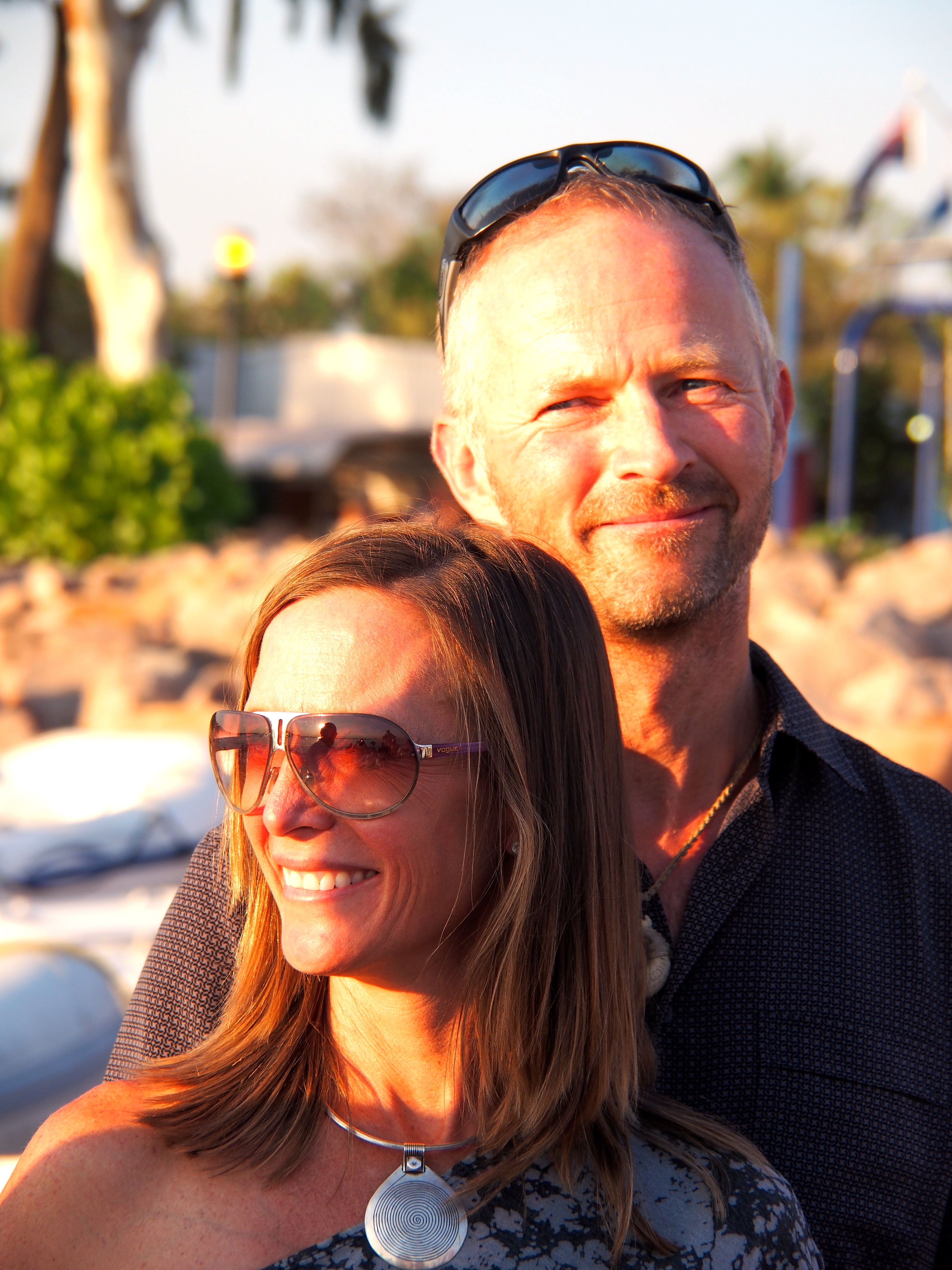
I Do

Wedding Vows

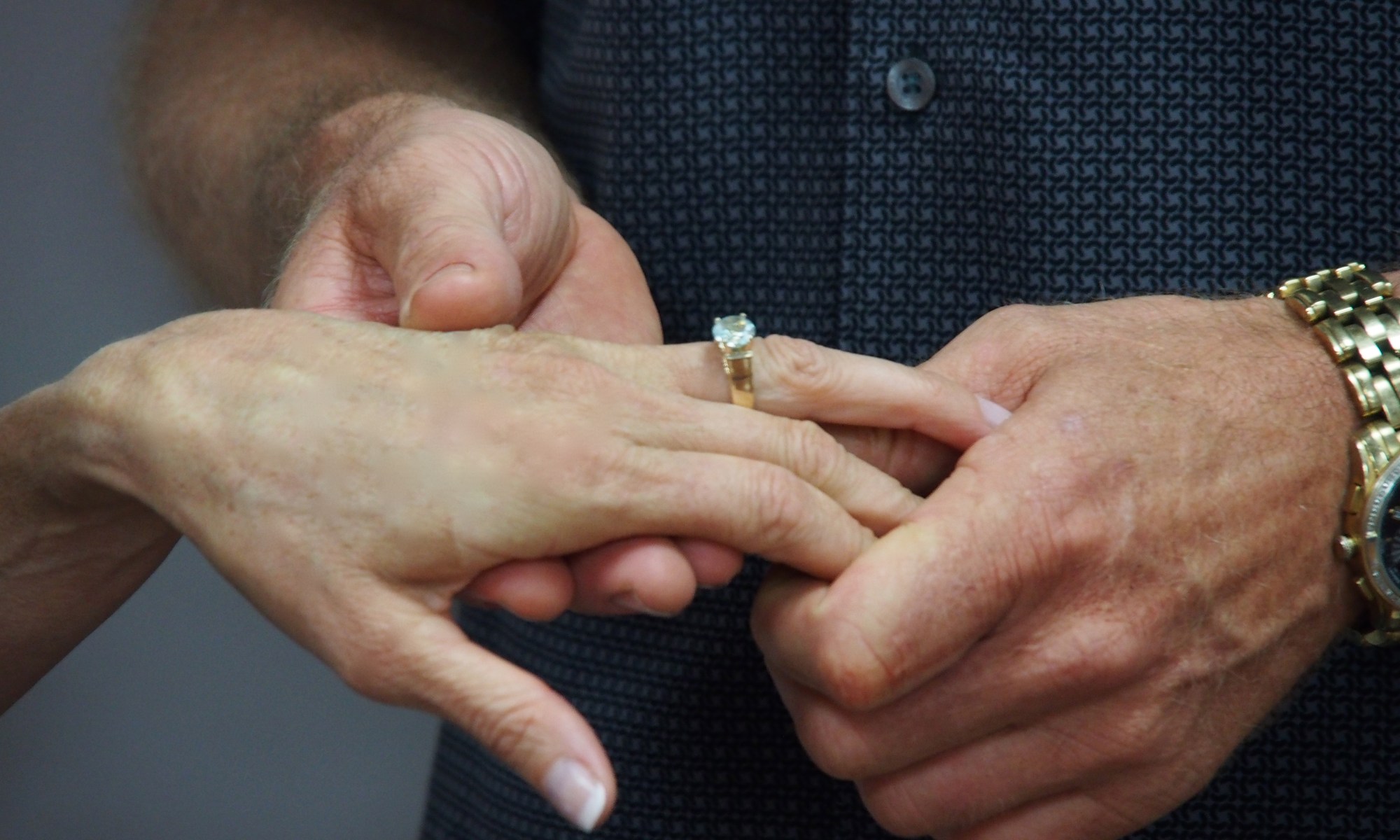
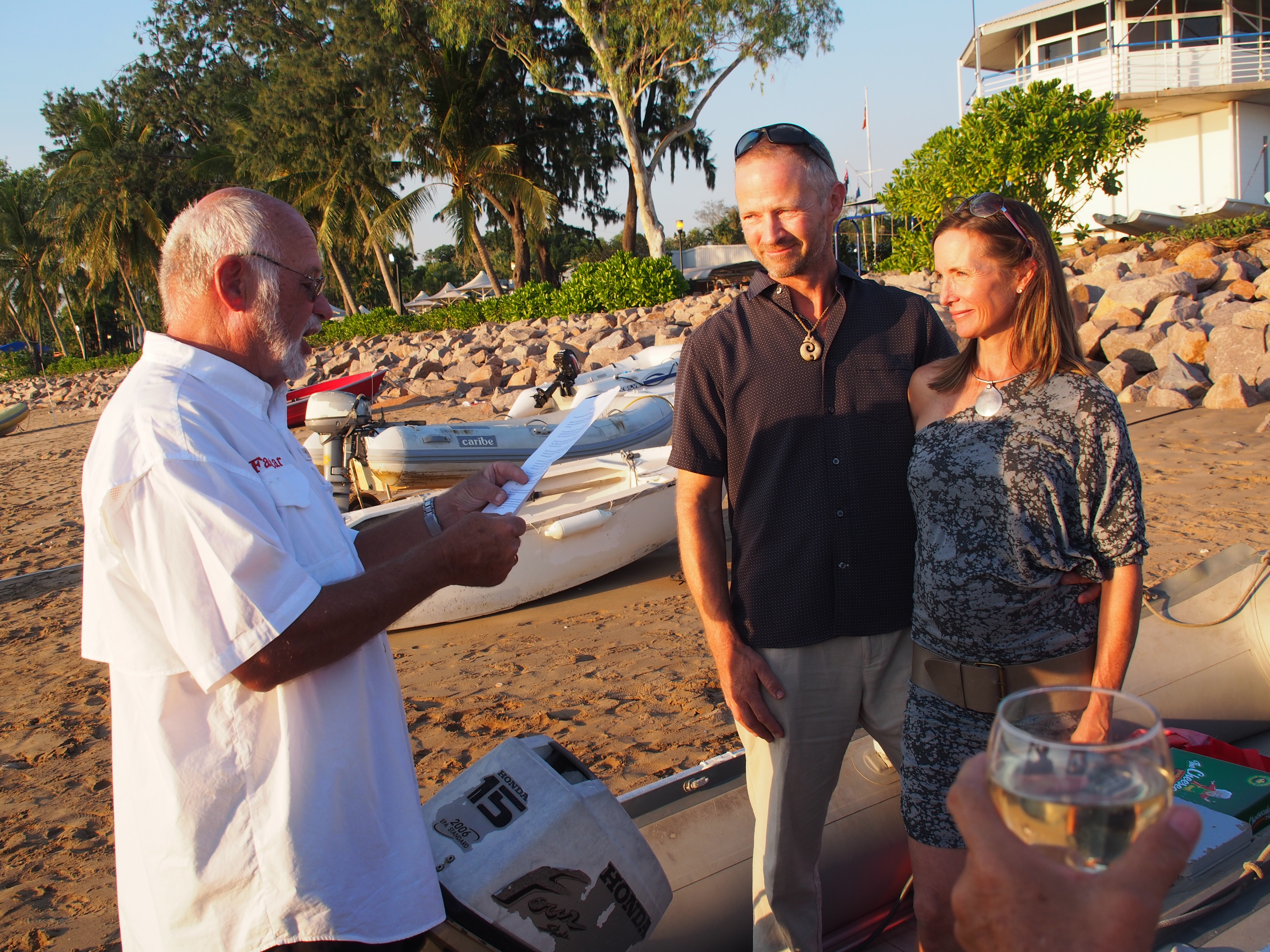
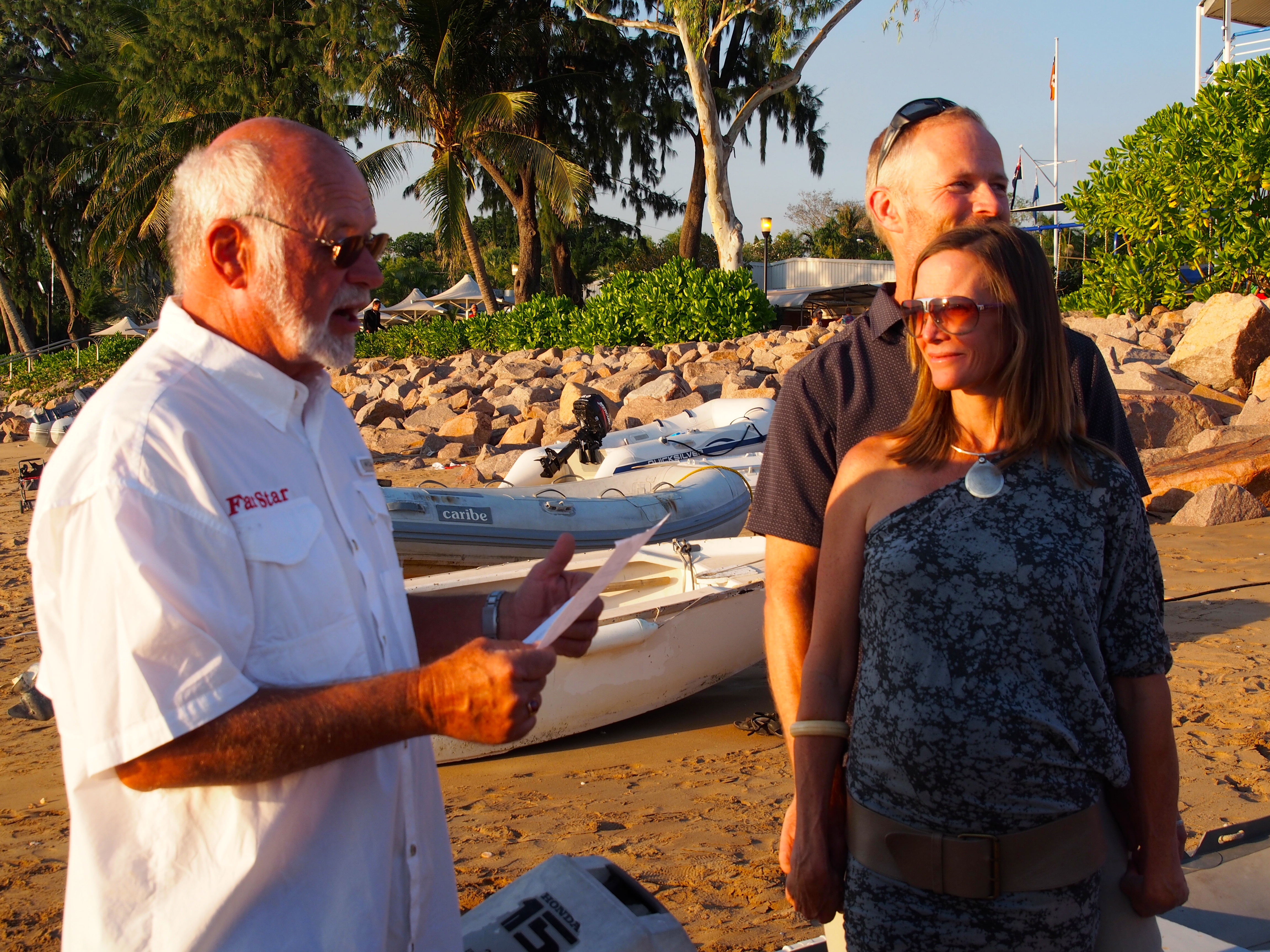
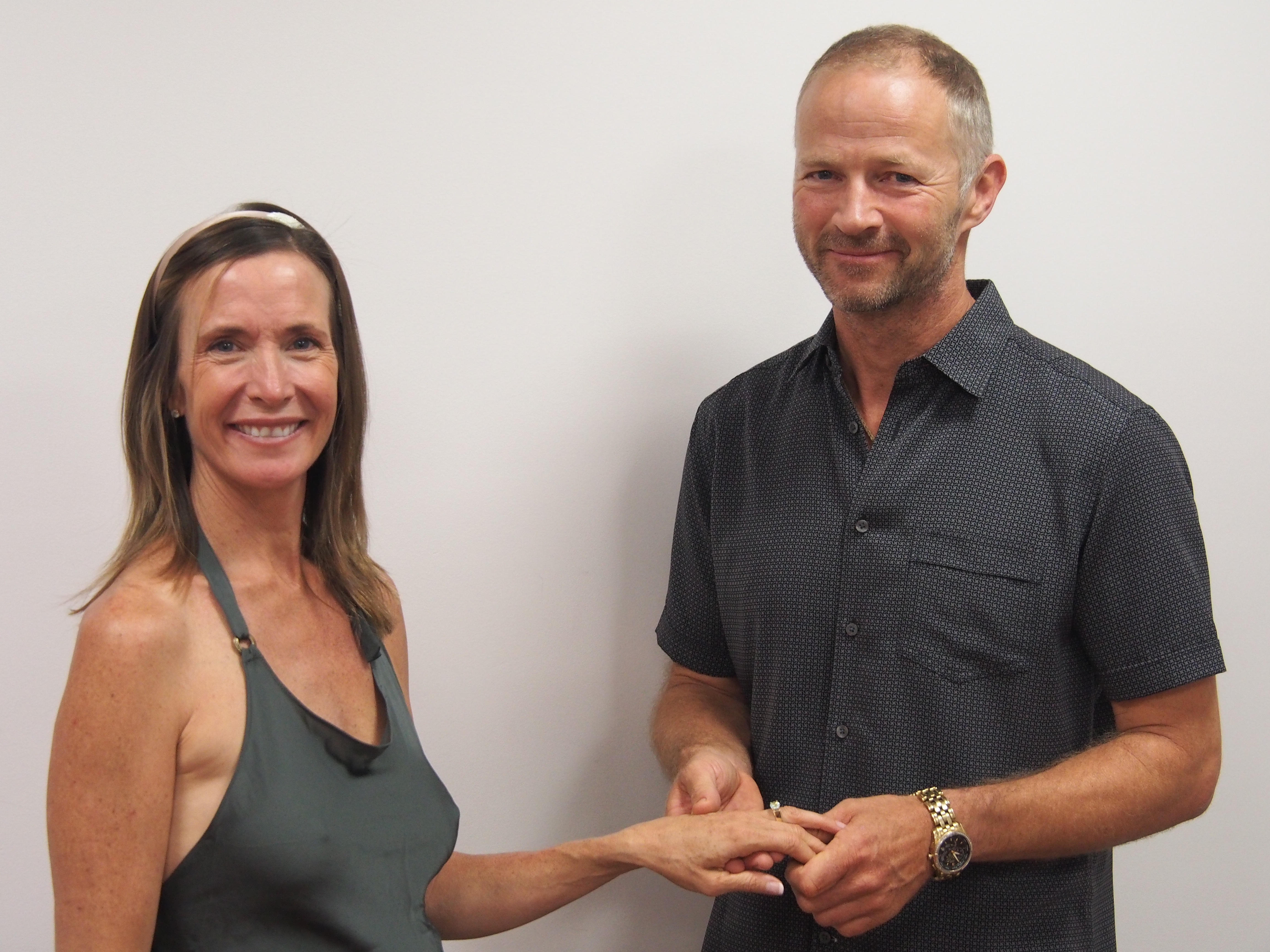
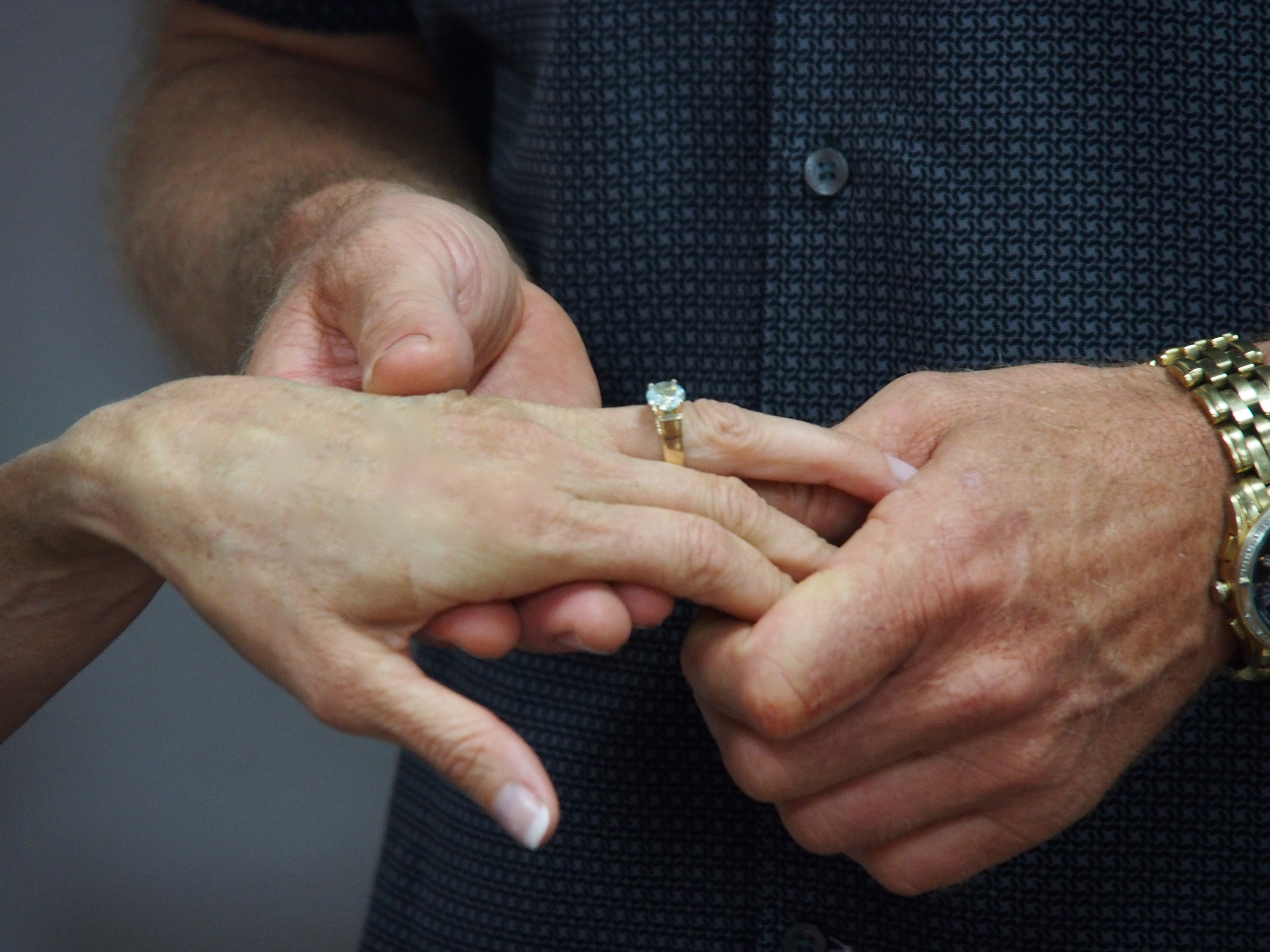
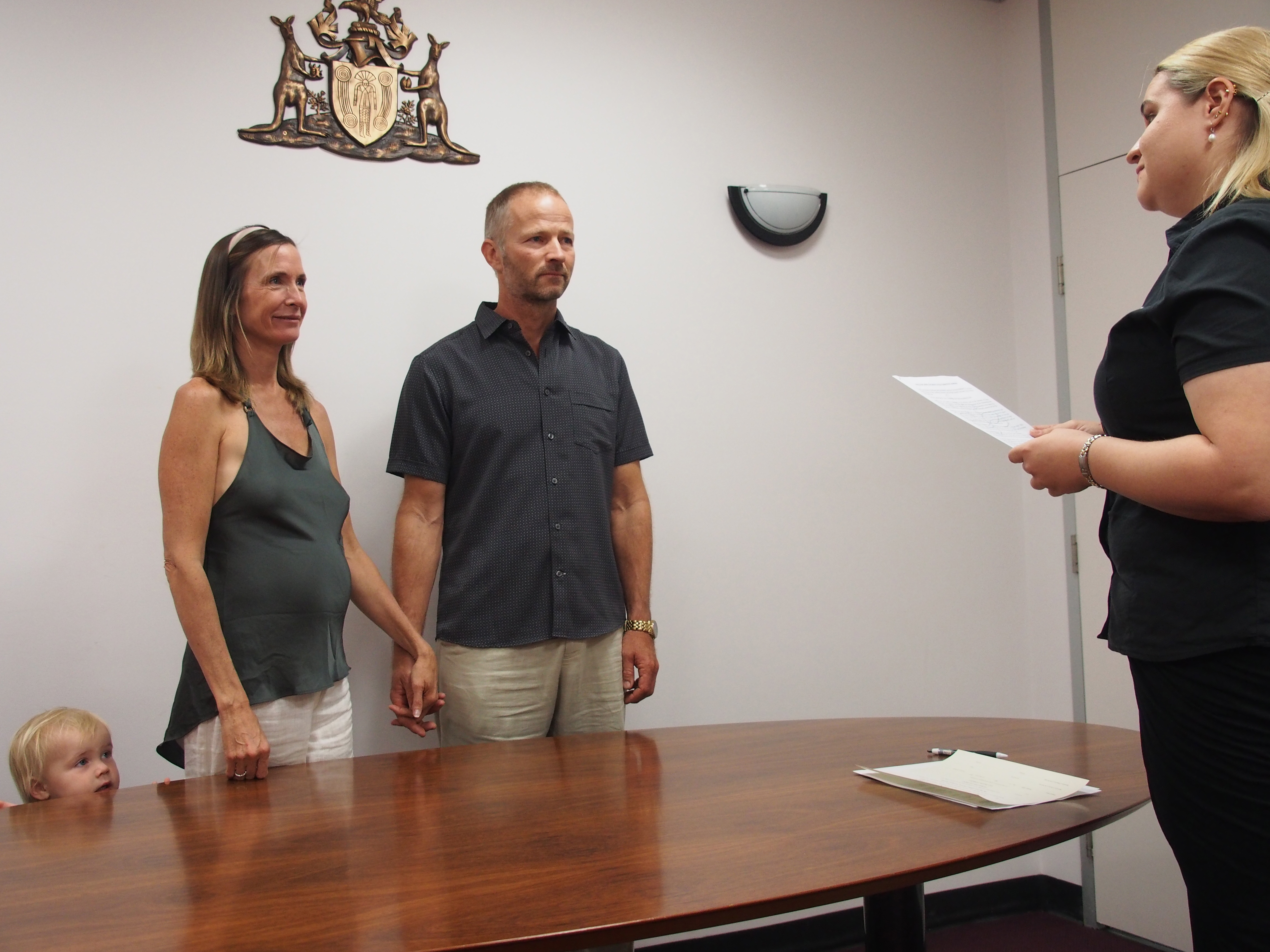
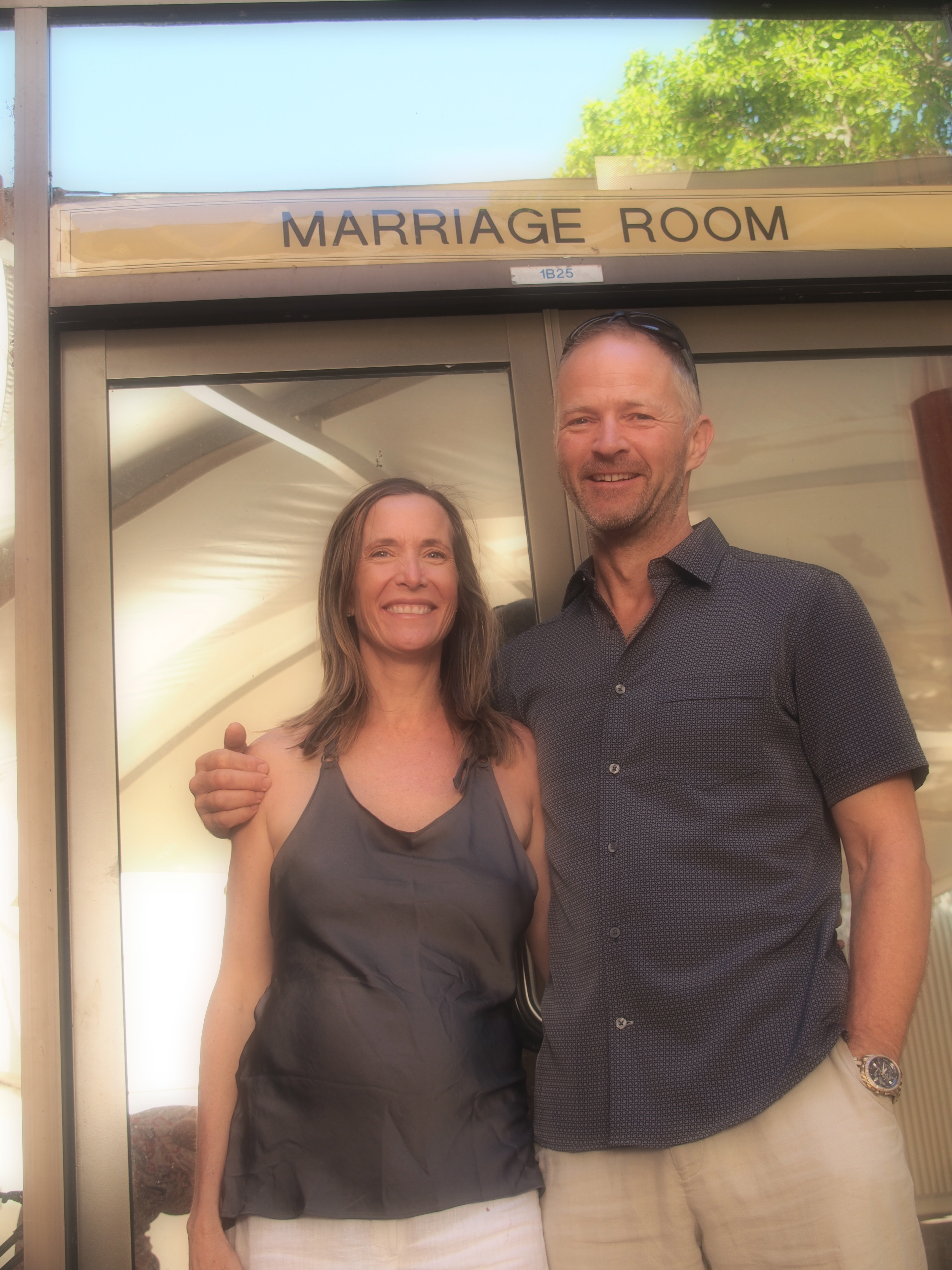
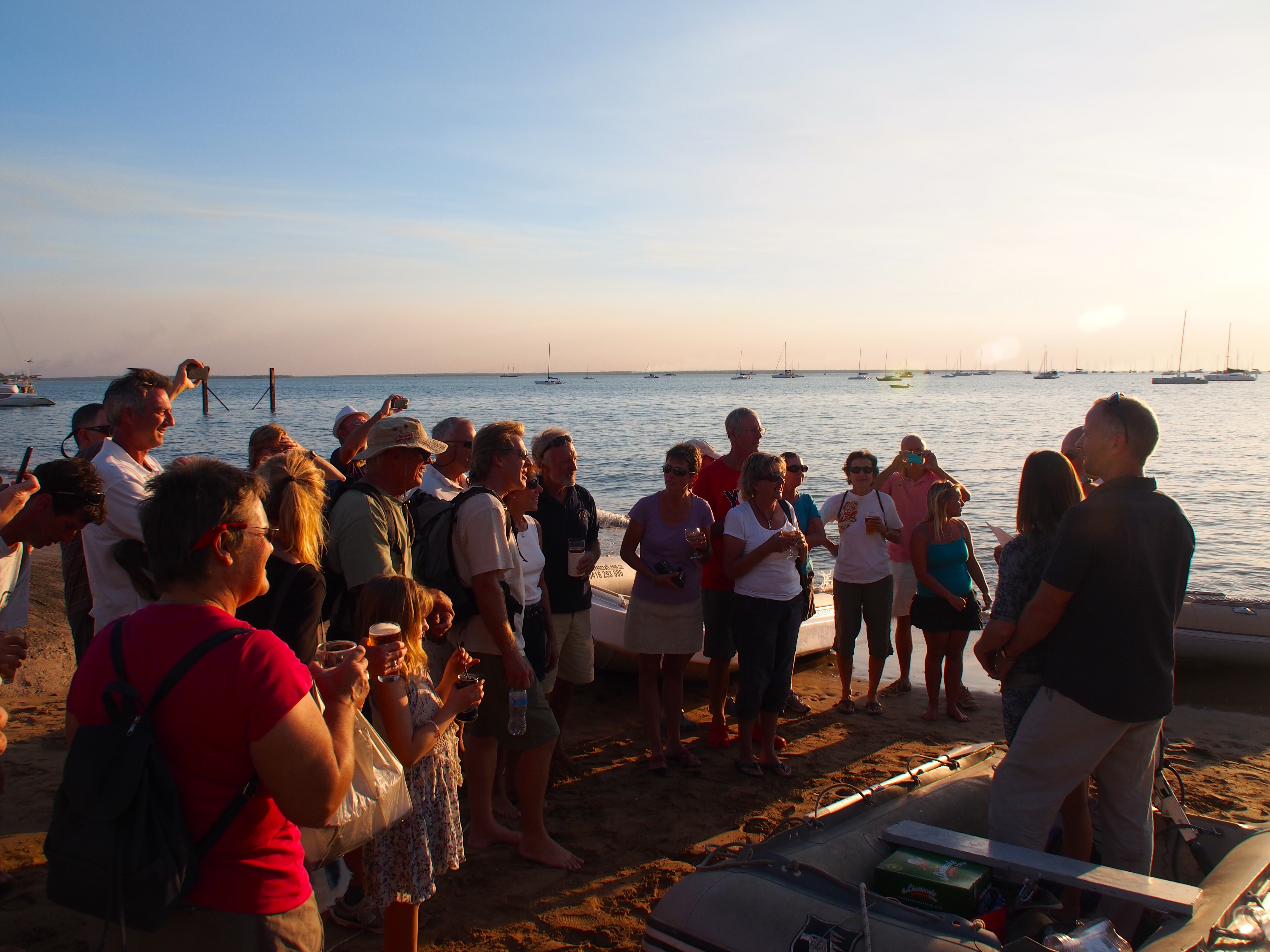
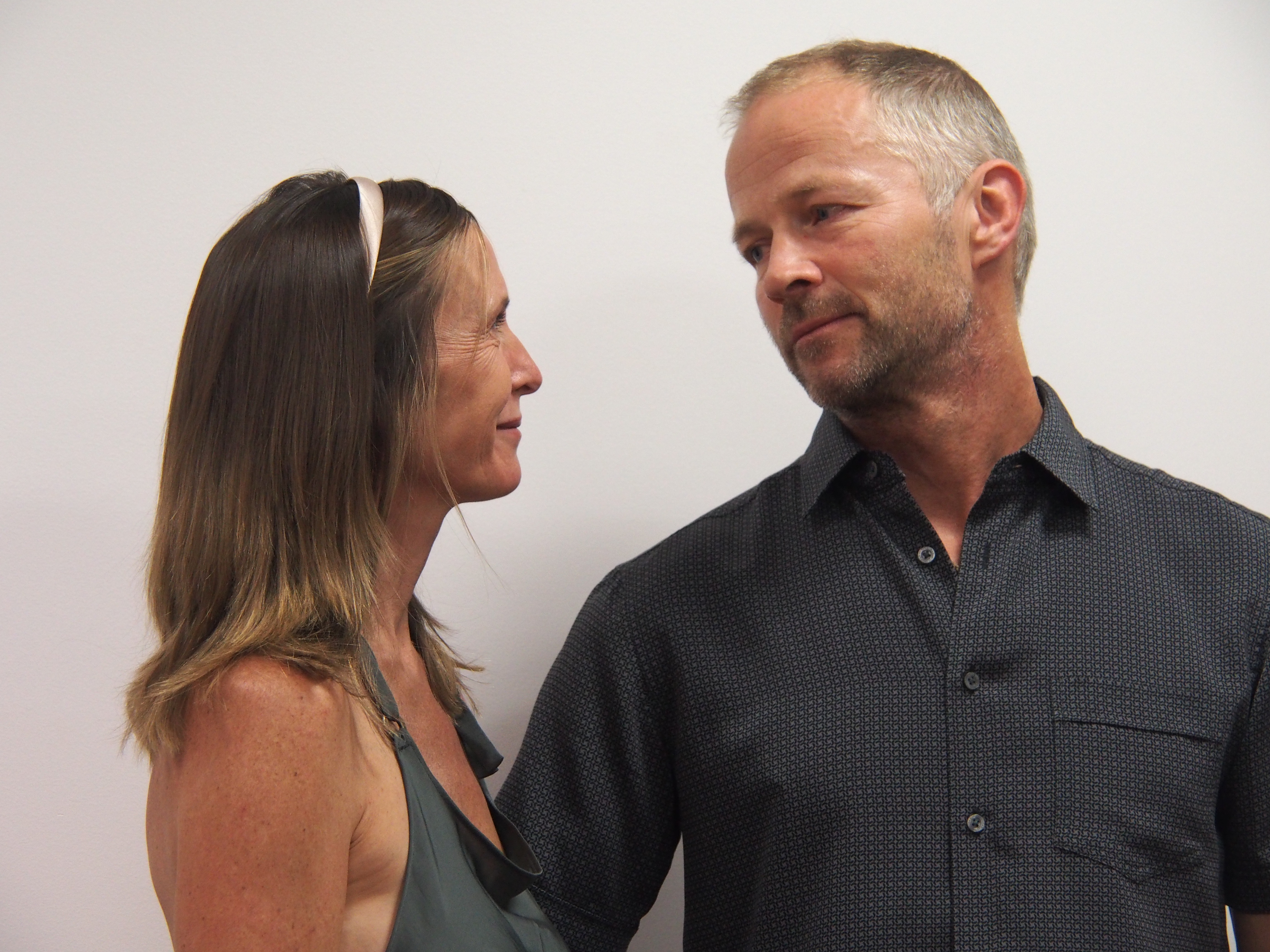
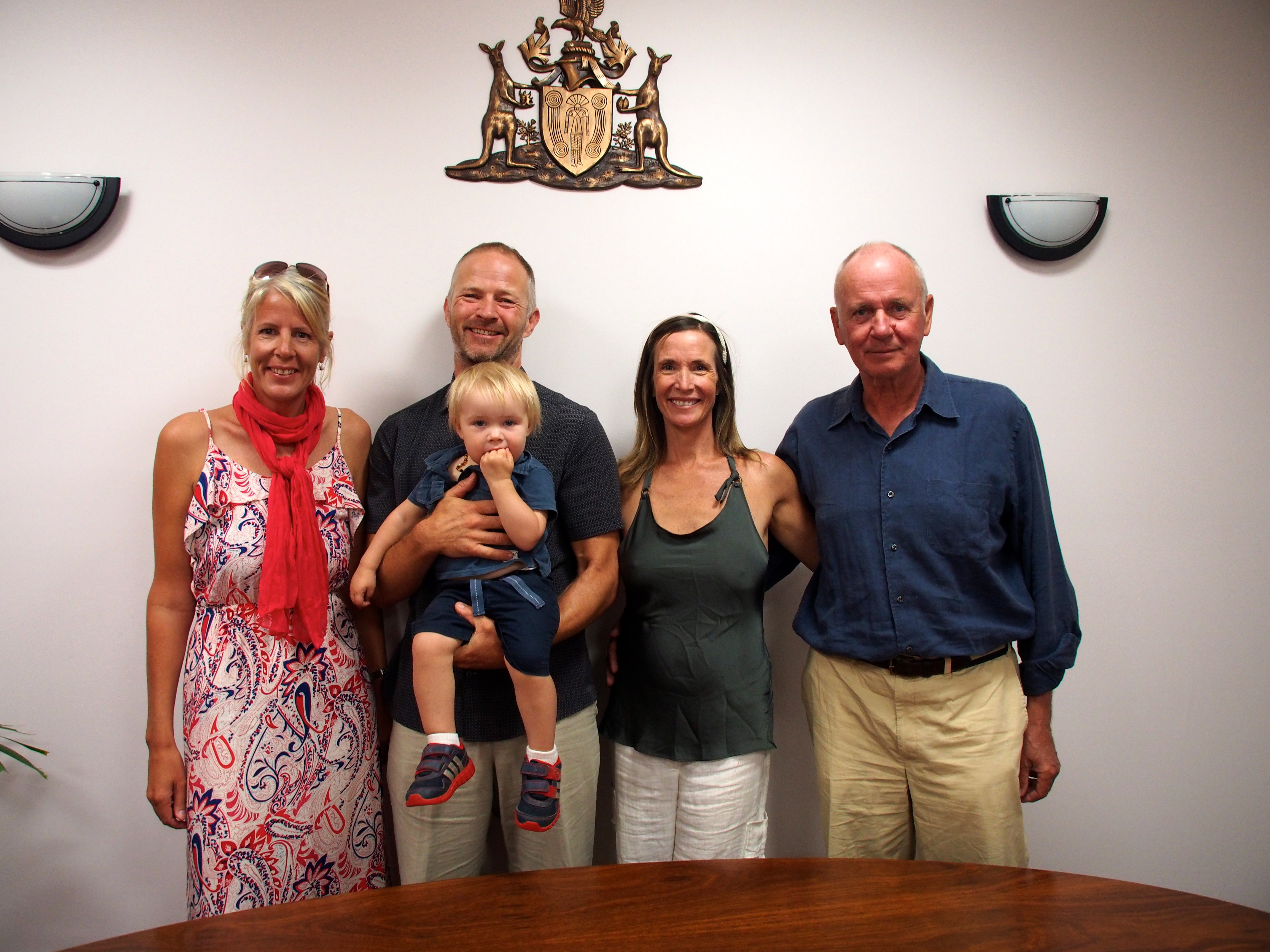
 We are gathered here today to witness the marriage of John and Kia.

Marriage is an honorable state and not to be entered lightly or merely to satisfy man’s carnal lust or woman’s need for a pet slave … although both are pretty good reasons.

A cruising marriage is a binding union where two people agree to sacrifice style in favour of lifestyle; to sacrifice all-inclusive vacations for a luxury-depleted retreat; to sacrifice disposable income in place of flexible time frames.

A cruising marriage is a commitment to curse the wind and charts, and not each other. A willingness to stand by each other as First Mates, and not be tempted to toss the other over the side-rail.

John, will you have Kia to be your Galley Gal? Will you love her, comfort her, and pretend to know how to work the sextant, do the oil changes, fix the heads, and never give her the longest night watch?

Kia, will you have John to be your Maintenance Man?  Will you love him, comfort him, never tell others about his seasickness, commend him on his “fix it jobs” (even if they are continually being re-fixed), write the blog, and always remember where he left his sunglasses?

John, repeat after me: I take you, Kia, as my Galley Gal, First Mate and Best Mate. I affirm my love for you and will do all I can to keep us safe out there.

Kia, repeat after me: I take you, John, as my Maintenance Man, First Mate and Best Mate.  I affirm my love for you and will do all I can to ensure that we have fun out there.

As you leave your homeport further astern and seek adventures across friendly seas, I call upon Neptune to grant Atea safe passage and to deliver her crew safely to exotic shores.

John and Kia – through foul weather and raging storms, through flat seas and balmy weather, through broken engines, expired stores, screeching babies, confined spaces with no escape in sight, through a never-ending to-do list and never-ending wander lust, — may you always arrive safe and sound.

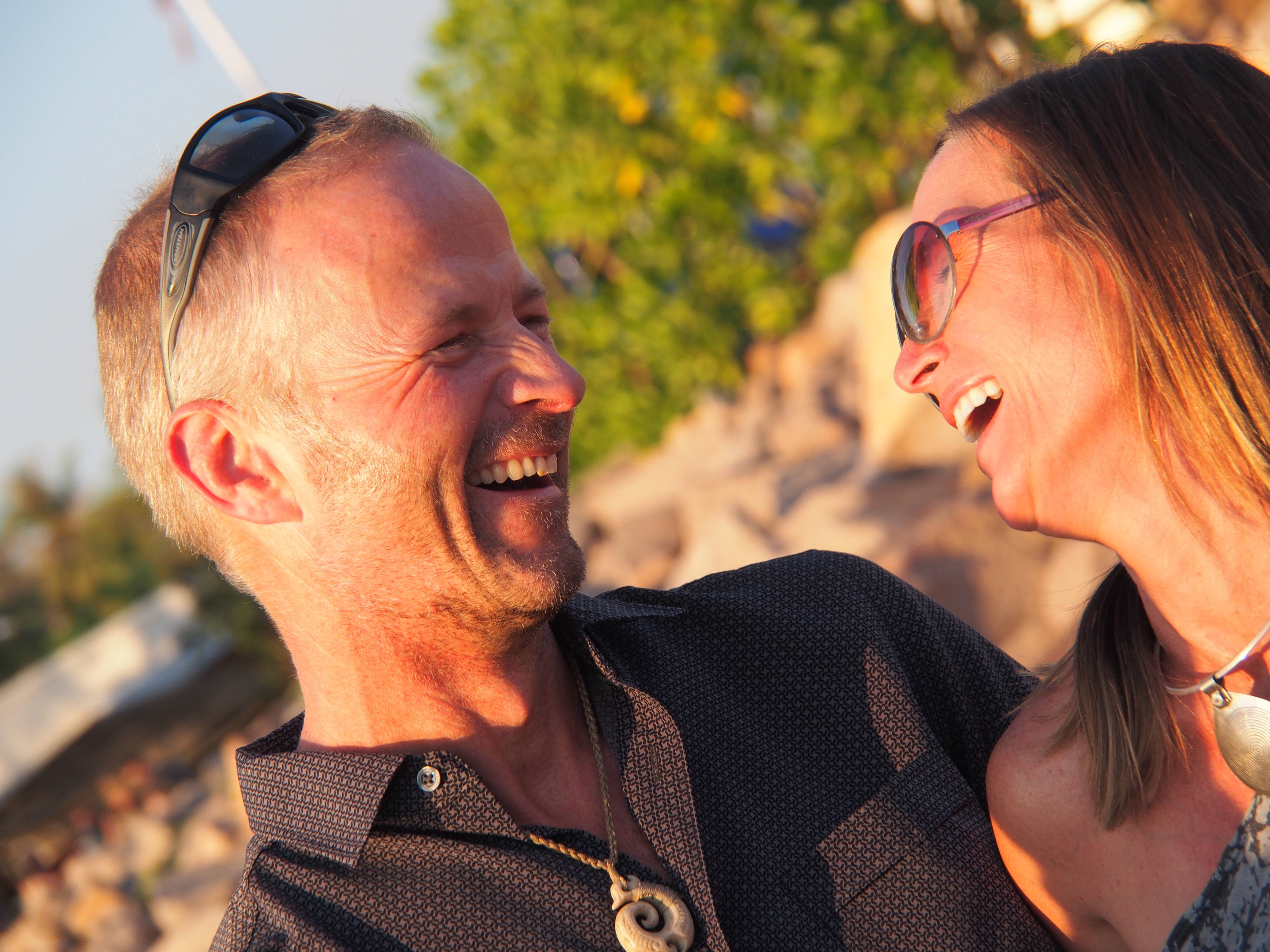
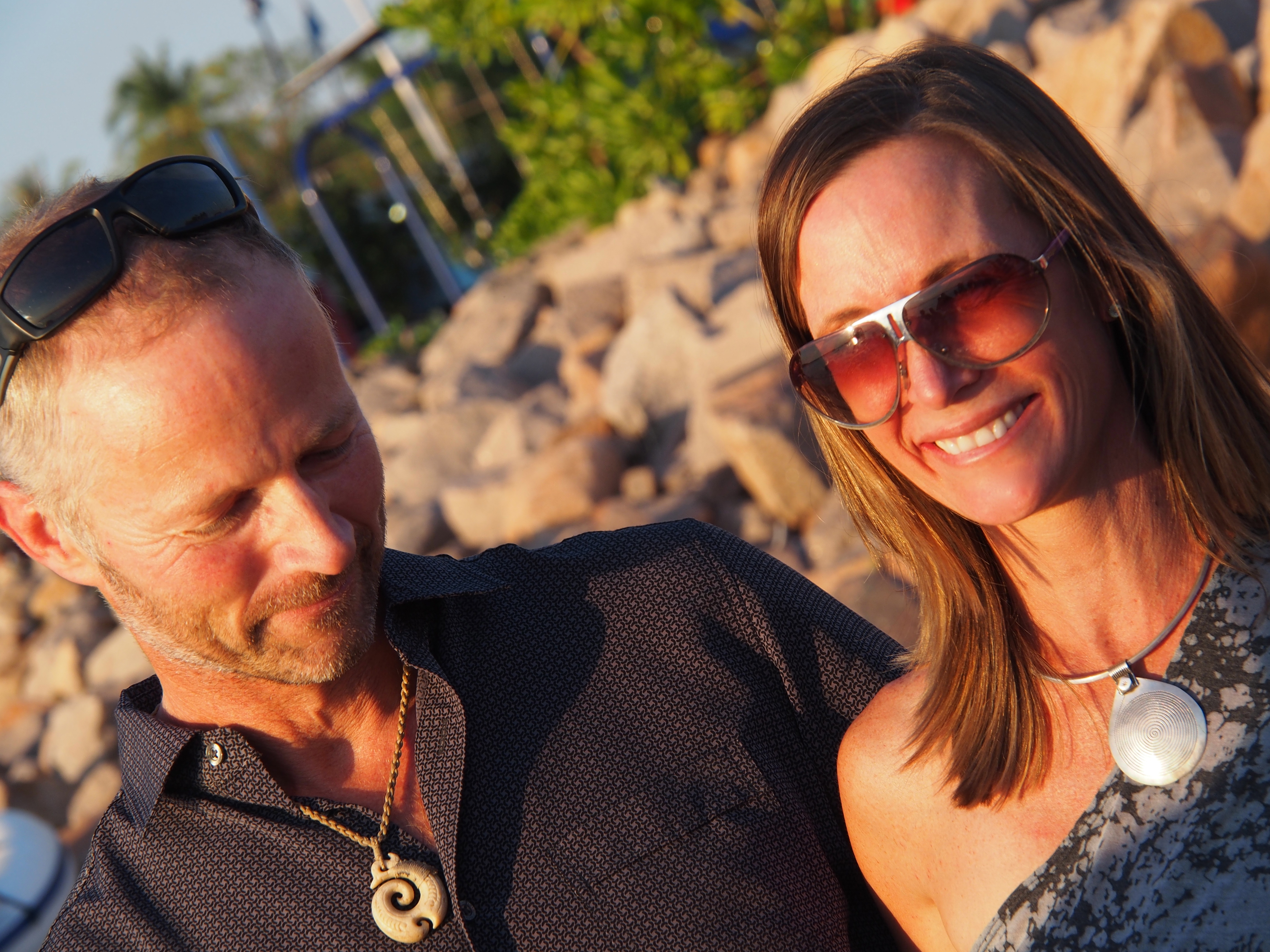
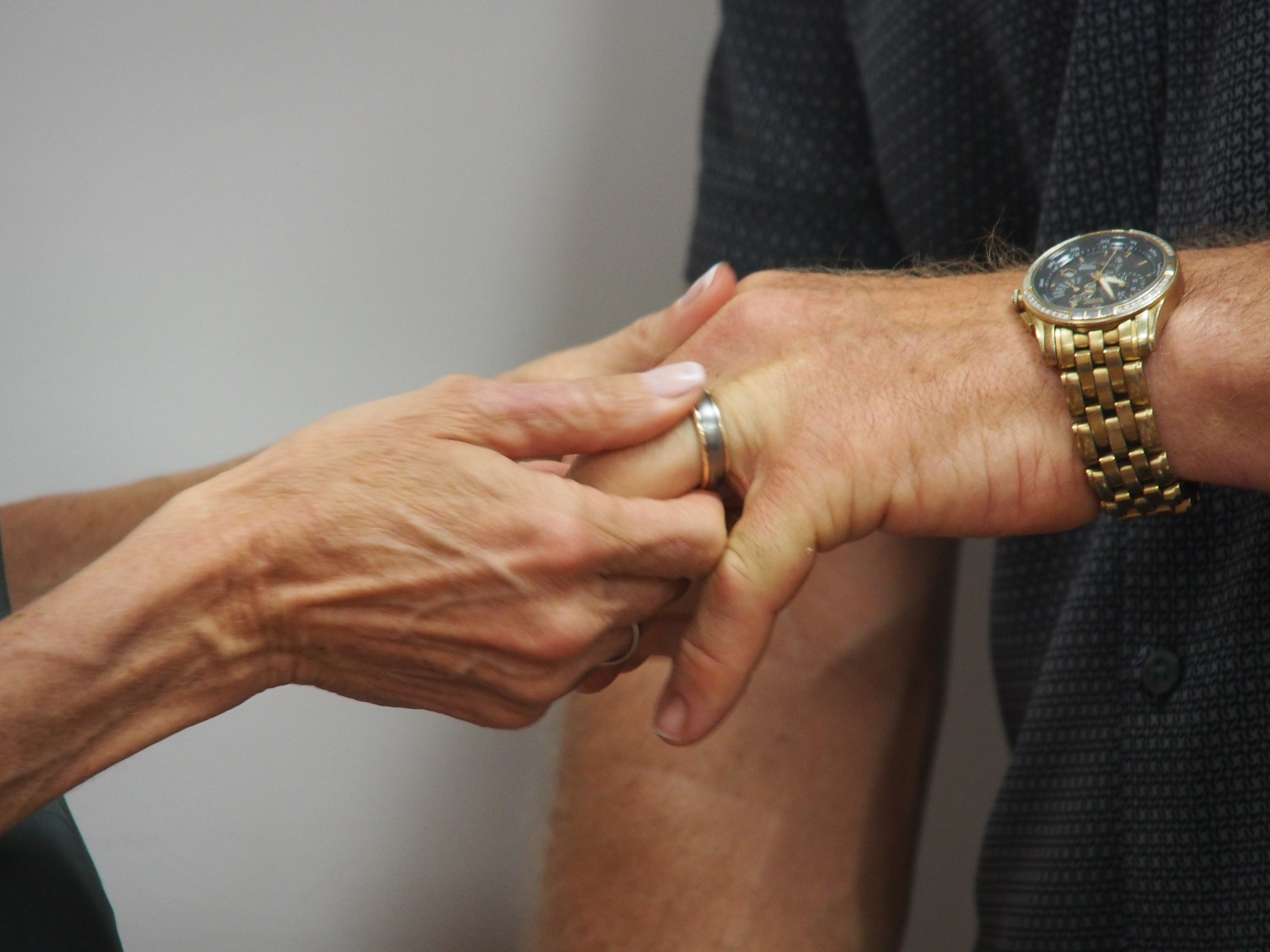
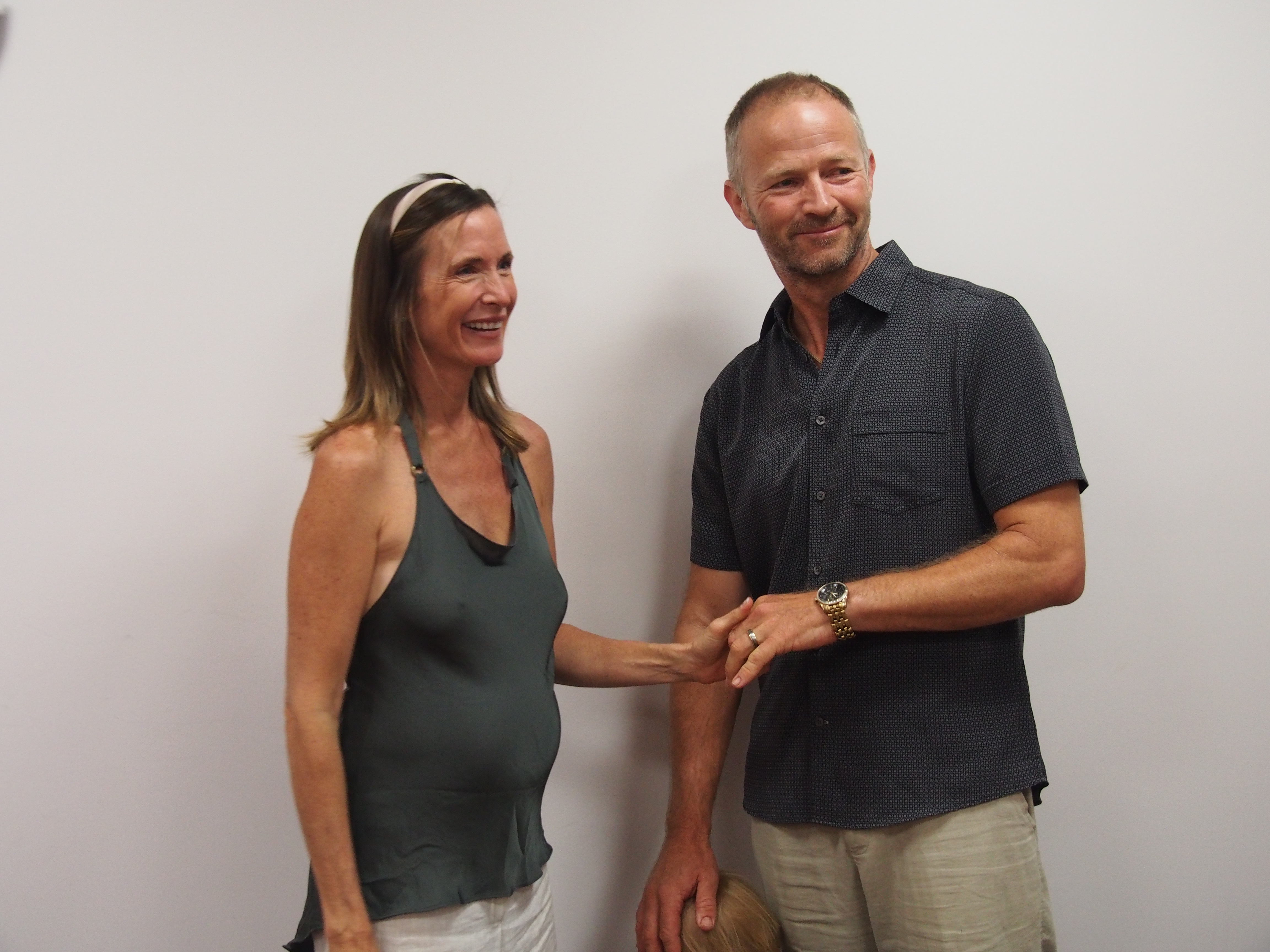
I now pronounce you Husband and Wife.

OLYMPUS DIGITAL CAMERA OLYMPUS DIGITAL CAMERA OLYMPUS DIGITAL CAMERA OLYMPUS DIGITAL CAMERA OLYMPUS DIGITAL CAMERA OLYMPUS DIGITAL CAMERA OLYMPUS DIGITAL CAMERA OLYMPUS DIGITAL CAMERA OLYMPUS DIGITAL CAMERA OLYMPUS DIGITAL CAMERA OLYMPUS DIGITAL CAMERA OLYMPUS DIGITAL CAMERA OLYMPUS DIGITAL CAMERA OLYMPUS DIGITAL CAMERA OLYMPUS DIGITAL CAMERA OLYMPUS DIGITAL CAMERA OLYMPUS DIGITAL CAMERA OLYMPUS DIGITAL CAMERA OLYMPUS DIGITAL CAMERA OLYMPUS DIGITAL CAMERA OLYMPUS DIGITAL CAMERA OLYMPUS DIGITAL CAMERA OLYMPUS DIGITAL CAMERA OLYMPUS DIGITAL CAMERA OLYMPUS DIGITAL CAMERA OLYMPUS DIGITAL CAMERA OLYMPUS DIGITAL CAMERA OLYMPUS DIGITAL CAMERA OLYMPUS DIGITAL CAMERA OLYMPUS DIGITAL CAMERA OLYMPUS DIGITAL CAMERA OLYMPUS DIGITAL CAMERA OLYMPUS DIGITAL CAMERA OLYMPUS DIGITAL CAMERA OLYMPUS DIGITAL CAMERA OLYMPUS DIGITAL CAMERA OLYMPUS DIGITAL CAMERA OLYMPUS DIGITAL CAMERA OLYMPUS DIGITAL CAMERA OLYMPUS DIGITAL CAMERA OLYMPUS DIGITAL CAMERA OLYMPUS DIGITAL CAMERA OLYMPUS DIGITAL CAMERA DSC_0007 DSC_0006