La Pura Tourista

A flashback to my youth brings back memories of intrepid travel pulling at my compass. I had just finished a year backpacking through Europe and was hungry for new terrain. An offer to work in Costa Rica arrived at exactly the right moment. I accepted a role as assistant to a start-up banking venture, bought a one-way ticket to San José, and set off to live la pura vida.

In the early 1990s, Costa Rica still felt very much like the developing world. Though politically and economically more stable than many of its Central American neighbours, life outside compact San José was rural and agricultural. Tourism existed, but only just — a trickle of backpackers squeezing in one last adventure before careers or graduate school.

The roads out of the capital were unpaved and cratered. Bus drivers barreled through potholes with heroic indifference while old American pop music crackled through blown speakers, barely masking the squawk of chickens bundled in baskets and hoisted onto the roof alongside passengers. I grew fond of those rickety, retired American school buses, partly because I spent far more time exploring the country by bus than working in the city.

The banking venture that had lured me there never quite launched. Delays piled upon delays. Eventually I tired of waiting for a job that failed to materialize — and of lingering around my boss and his hard-worn drinking companions. With backpack and savings intact, I set off through Central America instead. It proved a wise decision. “George,” as it turned out, was a professional con artist who eventually fled the country with a bank full of ill-begotten funds and a stolen car, leaving behind little more than broken hearts and a handful of illegitimate children.

Return to a Revised Costa Rica

Fast forward twenty-five years. Returning to Costa Rica had not been part of our Pacific plans. My husband and I were focused on the Polynesian islands that lay ahead. Having both spent years sailing — together aboard Ātea and separately before we met — we were drawn to the vastness of the Pacific. Central America promised something different. We agreed that a few months in Costa Rica would offer contrast and diversity. With minimal planning, we sailed north to Golfito, our port of entry on the country’s southern Pacific coast. I should have remembered the bureaucracy. 

Costa Rica greeted us with excessive officialdom delivered beneath a friendly smile. Customs and immigration required an agent — mandatory and non-negotiable — and the agent’s fee effectively doubled the cost of entry. The $400 processing bill caught us off guard. After several attempts to sidestep the system, a sympathetic agent reduced the fee by half, a compromise we gratefully accepted.

With paperwork underway, we cleared customs and immigration efficiently — only to be stalled by biosecurity. A visual inspection of the boat was required. As Costa Rica had been an unplanned detour, we had provisioned heavily in Panama for the Pacific crossing. Our freezer was packed with a year’s worth of meat. The biosecurity officer, with the focus of a trained sniffer dog, uncovered every packet of pork we had meticulously stowed in Panama. Bacon, cutlets, mince — each destined for incineration. As the officer began pulling out $1000 worth of meat, my composure wavered. In rusty Spanish, I negotiated. When negotiation failed, I pleaded. Eventually, compromise prevailed: the meat was returned to the freezer, chained, locked, and sealed with official biosecurity tape. I accepted a short stint of vegetarianism in Costa Rican waters, but my inner carnivore — and our Pacific provisions — were saved.

La Pura Vida: An Eco-Adventure Playground

Once cleared in, we finally had space to absorb the country itself. A glance through glossy brochures confirmed what was immediately apparent: this was not the Costa Rica I remembered. The backpacker haunt of the 1990s had transformed into a polished eco-paradise catering to adventure seekers and wellness devotees alike. White-water rafting. Zip-lining. Suspension bridges. Canyoning. Surf breaks. Active volcanoes. Bubbling hot springs. The list of eco-adventures seemed endless.

Costa Rica has become one of Central America’s most celebrated destinations — and with reason. Roughly the size of West Virginia, the country contains extraordinary ecological diversity: highland cloud forests in the north, lowland rainforests in the south, black sand beaches on the Pacific coast, white sand on the Caribbean coast. More than a quarter of its territory is protected national park or reserve, with secondary forest reclaiming former farmland. Wildlife sightings aren’t a matter of luck — they’re guaranteed.

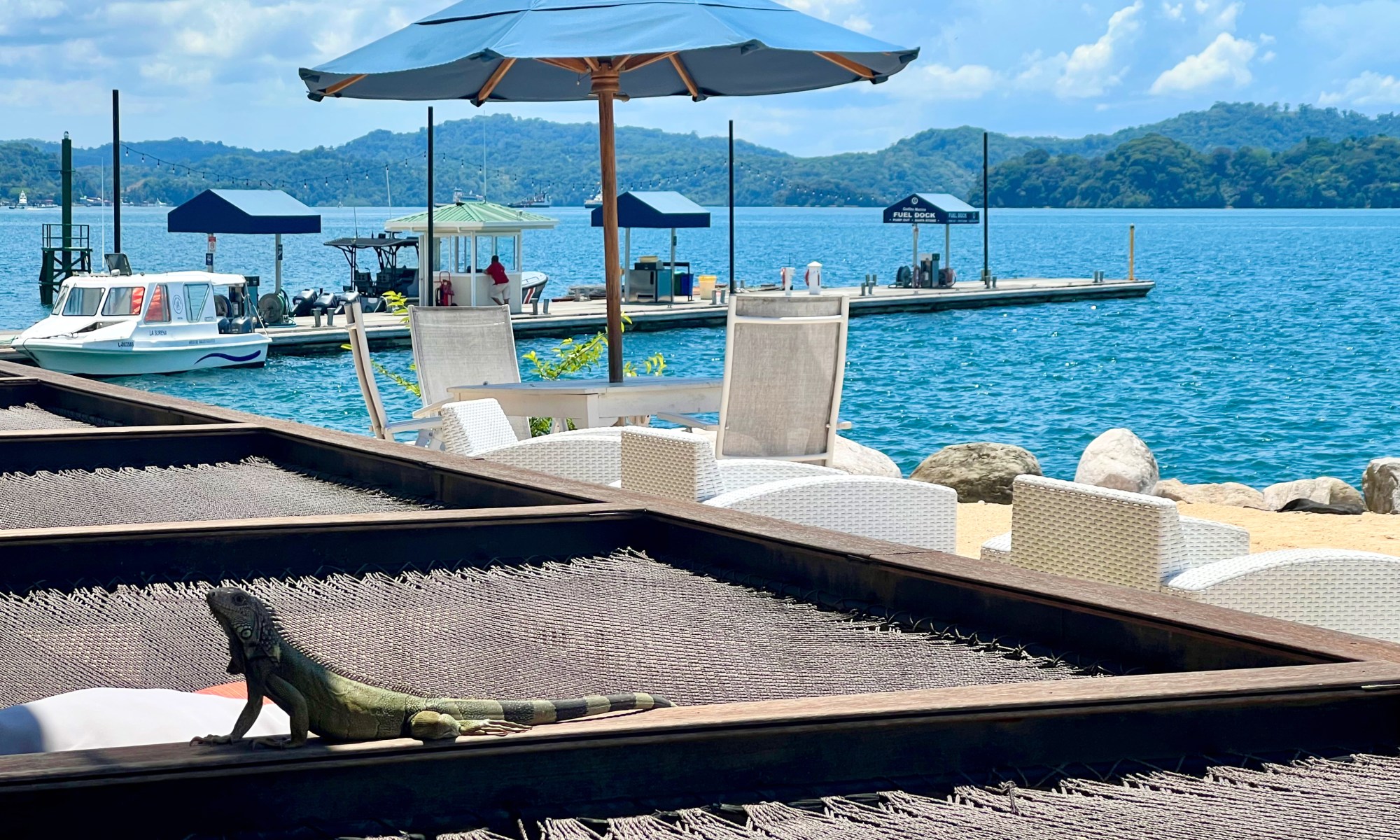
Cruising north along the Pacific coast allowed us to ease in gently. Golfo Dulce, the tropical fjord in the southern province of Puntarenas, was spectacular. Phosphorescence shimmered brilliantly at night. Dolphins tracked our wake. Scarlet macaws flew in bonded pairs overhead, their raucous calls replacing seabird cries. Howler monkeys provided a guttural soundtrack from the jungle canopy.

Traveling by yacht gave us freedom — quiet anchorages, long wildlife walks, waterfalls discovered without ticket booths. The children quickly adapted to long days outdoors, and we were reminded that some of Costa Rica’s best offerings require nothing more than curiosity and time.

Further north, however, subtle transition became full immersion. From Drake Bay to Tamarindo, tourism intensified — and we surrendered to it. We rappelled into canyons, zipped through leafy canopies, rafted rapids, soaked in hot springs, and trekked volcanic slopes. Guided along forest trails, we searched for sloths, monkeys, coatimundis, tapirs, and the elusive quetzal. Everything was available — at a premium.

La Tourista Vida: A New Reality

People had warned us about the cost. They were right. Activities routinely ran into the hundreds of dollars. Add accommodation and a guide, and costs quickly climbed into the thousands. Eco-lodges and curated experiences dominated the landscape. Convenience came carefully packaged — and priced. Crowds followed closely behind.

Paying to hike to a waterfall is one thing. Sharing it with a hundred camera lenses and sunburnt bodies is another. Charging through “must-see” attractions began to feel transactional rather than transformative. I found myself wondering what had become of the peaceful, understated pura vida I once knew. Had it been replaced by pura tourista?

Having spent much of my time traveling on a tight cruising budget, it was daunting to confront a country where nearly every outdoor experience carried an inflated price tag. Still, we were there. So we leaned in — selectively. We splurged on some excursions and passed on others. We skipped the shuttles, choosing hitchhiking or hiking instead. We walked where others rode quads. 

When we weren’t chasing adrenaline, we surrendered to softer pleasures: long surf sessions, melting ice creams, refreshing piña coladas, aimless wanderings through trinket shops, indulgent late mornings, and the occasional hangover. We had come for a change of pace. Costa Rica delivered one — just not the one I remembered.

La Pena Vida: Cruising Realities

As a cruising destination, however, Costa Rica is complicated. The volcanic coastline is dramatic, but the water often runs muddy and the swell is relentless. Anchorages are limited. Surf landings are demanding. Prevailing winds are inconsistent, leaving long stretches of calm seas better suited to powerboats than sailing yachts.

Marinas cater primarily to the lucrative sport-fishing industry. Visiting cruising boats occupy less-profitable space and are sometimes treated accordingly. Dinghy docks are scarce and beach landings require negotiation — with surf, with security, and often with skeptical onlookers. More than once, we left our dinghy behind and swam ashore with our clothes in dry bags, having no other way to make a shore landing.

And yet, access remained to our advantage. We reached remote communities, quiet beaches, and working fishing villages untouched by curated tourism. We watched fishermen launch heavy skiffs through pounding surf, timing waves with precision. Eventually we learned to read the sets ourselves — waiting for the final roller before gunning toward shore in its wake. There was camaraderie in that shared challenge. In those saltwort fishermen, I glimpsed the enduring truth beneath the pura vida branding.

La Pura Vida, Reconsidered

When we first arrived, I was startled by how thoroughly Costa Rica had transformed — from scrappy backpacker enclave to polished eco-powerhouse. Combined with challenging cruising conditions, it initially felt like a mismatch. 

But over time, I realized that cruising Costa Rica is not about sailing — it is about access. The ability to toggle between spectacle and solitude. Between curated adventure and quiet coastline. Costa Rica today is waterfalls and zip-lines, camera clicks and tour buses. It is also silent anchorages, scarlet macaws at dawn, and howler monkeys echoing through jungle valleys. It is sloths and surf, fishermen and phosphorescence, crowded beaches and empty shores. And somewhere between the brand and the bustle, la pura vida still exists — less a marketing slogan than a way of being. You simply have to know where to look.

A Beauty Within

Link to published article: Exploring the Tuamotu Atolls in French Polynesia

As we cleared through the Panama Canal andS.V. Ātea, our 45’ steel cutter rigged sloop,  sailed back into Pacific waters for the first time in eight years, I looked west with a sense of despondency. Whereas all our cruising associates had worked hard to get to this stage and looked upon the Pacific as a the beginning of an epic adventure, I looked to it as the conclusion of ours. The Pacific in 2011 had been our beginning, but the Pacific in 2022 was our end: Twenty twenty-two would be the last year of an eleven-year circumnavigation and I was reluctant to take a step towards the conclusion of this lifestyle.

Yet, the best of the best lay before us. The Tuamotus are a string of 78 atolls that lay across the central Pacific, one of five distinct regions that make up French Polynesia.   With the Marquesas and Gambier Islands to the east and the Society and Astral Islands to the west, this central group is a string of relaxed, quiet low-lying atolls.

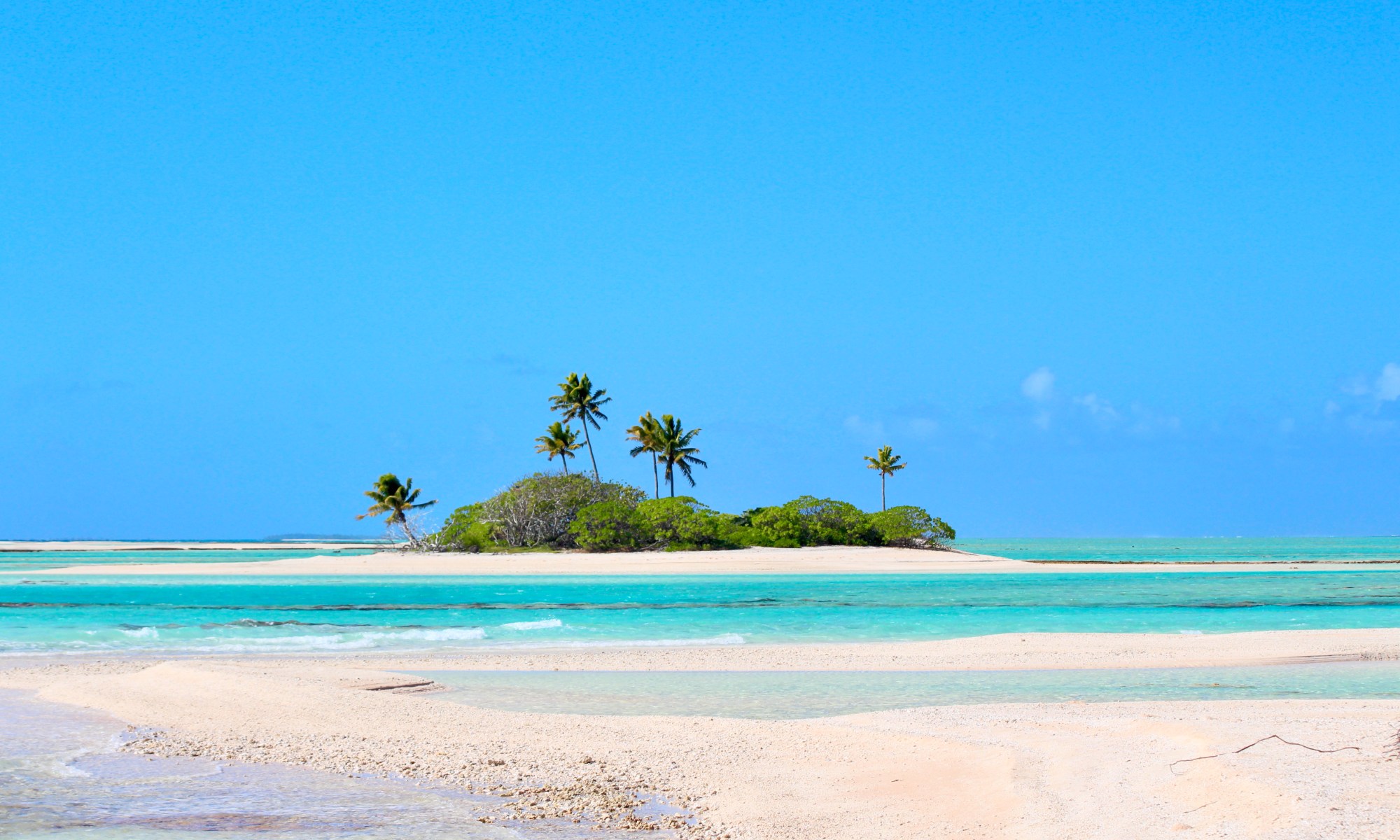
We sailed from the Gambier Islands to our first atoll, Amanu, in early June. Having sailed 500 miles through a continuous sea, it was remarkable to see trees set upon the ocean a mere 5 miles ahead of us. A mid-ocean mirage. Yet there it was, a round ring of coral breaking the surface to provide us protection from the roll of a continuous low swell. As an outer-lying atoll on the southwestern edge of the group, Amanu was a quiet, sparsely populated nook on the edge of an endless sea. In addition to the crab and coconut trees, the fish and manta, a small group of Polynesians lived on this remote mid-ocean outpost. A small village occupied one corner of the atoll, sleepy and slow-paced. We wandered the tidy streets to pass orderly rows of houses, tricycles parked outside property fences and gravestones set inside. We passed a person or two, otherwise the little township held the air of abandonment. The solitude suited us perfectly.

We moved around the inner rim of the atoll, enjoying the peaceful beauty around us. Long rolling waves that’d transited hundred of miles crashed onto the outer reef, washing over to settle like still pond water in the inner lagoon. The tops of palm trees waved gently in the breeze, offering perches for the terns, boobies and frigate birds taking rest and refuge. We walked the shores collecting seashells and made driftwood rafts for our 8-year old pirate and 10-year old brigadier, stick weapons sheathed as they battled for imagined bullion and lost treasure. We snorkelled and enjoyed the colourful bommies surrounded by a healthy population of reef fish and paddle-boarded the drop-off with oceanic manta drifting by below. We built bonfires on the beach out of coconut fronds, pulled down as we dislodged coconuts from their nest above our heads. We enjoyed a slow gin to the slip of the setting sun and gazed up at the fantastic spray of fairy lights sparkling in the complete black that surrounded us as night set in. We were “stranded on a deserted island” with all the conveniences of a well-stocked supply boat, Ātea our all-inclusive Club Med. 

Our next few atolls held the same feeling of remote isolation, punctuated by easy company within the small villages tucked into a corner of the lagoon. Amanu, Makemo and Tahanea were all similar in geography as these atolls were further from the more populated Societies. The townships were smaller and the feeling more remote, yet each atoll maintained a distinct uniqueness: Amanu had the feeling of total remoteness, Makemo of aquatic purity, Tahanea of unspoiled beauty.

Tahanea was our golden gem. It is an uninhabited nature reserve, therefore the only resident is feathered, shelled or scaled. The lack of hunting and poaching results in an abundance of wildlife life unfazed by the odd human guest. A few of the uninhabited islets within the lagoon provide hatcheries for three species of booby birds: The red-footed, the brown and the masked booby. To walk through the island to the abrasive warning squawk of a protective parent and the curious eye of a newborn chick is a joy, and the frenzied swarm of the disturbed flock swooping and diving overhead a curious intimidation. Step from the sand to the shallows and you enter another nursery, as foot-long predators swim and skirt around your submerged ankle, the tip of their fin barely breaking the surface. Our timing for Tahanea was very specific: We were there to witness the grouper spawning, and it was this event that we based all our planning around. During the week preceding the full moon in July, the marbled grouper perform their mating ritual: A spiralling whirlpool of fish, rippling currents of metallic colour settling their moulted brown colour alight. This year, however, it wasn’t in July. Nature likes to toss out the unexpected, and despite our well-planned timing the spawning occurred in June this year, a month earlier than predicted. We missed the grouper spawning but, by grace, got to watch red snapper spawn instead in an equally impressive courtship dance. The grouper were still around and in larger-than-normal numbers, but all resting meek and docile on the ocean floor. We came upon a large school of red snapper just inside the pass and followed them for awhile, unaware of the performance that was about to come. Slowly the numbers grew and their swimming pattern became more erratic; rather than one mass, they started grouping and regrouping, circling each other, one chasing another out of the pack. As the school grew and compressed into a tight ball, a female would break out of the group in an ascending dash and a string of suitors would chase tail in a long spiral behind her, a pearlescent flash of colour ripping down their sides in a trance-inducing display. At one point a lemon shark swam through the group, and bold of purpose, the entire school turned on it and chased the aggressive shark away. To hear it I wouldn’t believe it, but that day I watched the many defeat the mighty.

From a brilliant choreographed display of nature, we next sailed for Fakarava to watch the cultural competitions and performances of the Heiva, French Polynesia’s version of the Olympic Games. The Heiva is a month-long festival that honours Polynesian history through song, dance and traditional competitions that occurs every year in July, dating back  to 1881 and is the oldest festival in the Pacific region. Fakarava, being the most populated atoll in the Tuamotus, would hold the best example of the Heiva in a more local tradition than the highly popular but overly commercialised displays in Tahiti. And it was so: We joined the week long festivities as both enthusiastic observer and reluctant competitor. We were dragged into participating in the fruit-carrying race, the javelin toss, the coconut husking competition — perhaps we were a bonus in their own entertainment, as we were no equal in any event but was bonding to share in the Heiva and displayed a cultural openness, generosity and hospitality. Fortunately we were not invited to join the Ote`a, a powerful and seductive Polynesian dance that only humiliate any attempt by non-native guests, a shame they spared us. The week was fantastic. While we may not have witnessed the grand staged performances of Tahiti, we participated in a community festival that was inclusive, spirited, and fun, and even walked off with a few cash prizes — a token of support for our participation rather than our achievement.

Fakarava is also home to “the Wall of Shark.” I thought the name a dramatisation, but the description is purely literal: Hundreds of shark, predominately greys, pacing the southern pass in mass. I’ve never in my life seen so many shark in one place, and the thrill of getting in the water with them was a lifetime experience and one I will cherish above most others. With a fearsome reputation for aggression, it was amazing to be side-by-side with so many of them, idle and relaxed. We had local knowledge from cruising friends who’d spent considerable time in French Polynesia so we were able to dive freely amongst the shark, surrounding us in ludicrous numbers. The shark were our total focus during our stay in the South Pass of Fakarava, and we spent as much time as we could diving, snorkelling and swimming amongst them. If I could go back anywhere in the Tuamotus, it would be to return here, to the Wall of Shark, to swim side by side these docile predators.

Leaving Tahanea and Fakarava was like pulling teeth; none of us wanted to depart these rich and rewarding central atolls. But mid-season and the Societies lay ahead of us and it was time to weigh anchor and sail west. We enjoyed two short stops at Toau and Apataki and received a very warm welcome at both of them. In Toau we were welcomed by a local family who readily prepared lobster feasts for drop-in visitors, and we found two young bachelors in Apataki who’d laid their stake on a small island for a simpler life than had been on offer in the more westernised and fast-paced Tahiti. Unique to this island was a stone, set just off their homestead, which laid claim to the hopes, dreams and protections of mariners that’d travelled centuries before us. So we dressed up in palm-leaved hats and did our own ceremony for our continued safety and protection at sea, then spent the next several days with our hosts sharing bonfires on the beach, fish from their daily catch, and lobster freely delivered to our boat. While Tahanea was our favourite atoll from a naturalistic perspective and Fakarava from a cultural one, Apataki was our favourite from a humanitarian one. To be so openly accepted, befriended and included with no gain in return is the ultimate human experience. This was our farewell to the Tuamotus.

French Polynesia is remarkable, and the Tuamotus is the pinnacle of its beauty. To be able to explore these atolls from your own vessel offers a freedom that most modes of travel aren’t able to offer. A yacht pulls you from the chaos and delivers you to the calm. It offers the freedom to explore as you choose, where you choose and when you choose. It allows you access to places less traveled, less exploited, less trampled and offers solitude, beauty and nature’s bounty.

To return to the Pacific after spending time in different oceans and all the experiences that came with it, to see the Pacific as a sailor’s Mecca is a telling statement. I thought of the Pacific as an ending, but having just passed through French Polynesia I look back on it as an opening. I am reminded of all the beauty of this great ocean holds: The atolls are unique and isolated, and nature is allowed to bloom, to flourish, and to prosper. The passes are laid with expansive stretches of multi-coloured carpet, filled with large schools of fish and a healthy population of shark, whale, ray, pelagic and reef dwellers. Humpback spray their steamy breath into the air, manta glide past with graceful wings spread wide and the occasional whale shark sidles in for a curious peak. Each a treasure of nature, each representatives of an ecosystem un-depleted yet beseeching us as guardians of this earth to take care, to protect. If there is any place that best sets this example, it is the richness and diversity of the Pacific Ocean.

The Pearl of French Polynesia

Link to published article: Pearl of Polynesia

The Gambier Islands are exactly what dreams of Pacific sailing are made of: Silvery-purple pearls generously tossed into a palm like the casual distribution of M&Ms. Its high mountain peaks poke through dense green forest offering stunning panoramic views of a reef-filled lagoon and white sandy cays that break through aquamarine water, nothing but hermit crabs and fallen coconuts crowding the shores. An outrigger pulls alongside to offer tuna fresh from the hunt. A half dozen reef shark circle around us like curious, eager puppies. The Gambier Islands fulfil every desire for an authentic Polynesian experience: A taste of the popular Societies, the lush Astrals, the crystalline Tuamotus and the spectacular Marquesas bundled together in one small island group.

Our decision to head for the Gambier Islands was driven by its relative distance from the milk run. The Gambiers lay in the southeast corner of French Polynesia, 700 miles south of the Marquesas and removed from its closest neighbour by 400 miles. While recent years has seen an increase in the number of yachts transiting the Gambiers from approximately half a dozen to two dozen within any given year, their distance from the Polynesian archipelago leave many people unaware that they are a part of the group. This remoteness results in a lower number of visiting yachts, and regardless of the increase in total cruising numbers transiting the Pacific, the lesser-known Gambiers continues to offer a low-key option for those seeking quieter destinations.

The majority of cruising boats crossing the Pacific depart from the Americas and transit through the Marquesas in route to the Society Islands. When we were looking to transit in mid-April, we were astonished to hear there were 80 yachts sitting at anchor in Nuku Hiva at the time of our departure. Choosing to shy away from the crowd, we quickly reset our plans on a last minute whim: We would tackle French Polynesia from southeastern edge to northwestern corner. In doing so, we would avoid the majority of cruising traffic and, hopefully, get a more authentic, genuine experience.

It took a month to sail from Costa Rica to the Gambiers and the welcome we received on arrival was a clear indication that we’d made the right decision. As our anchor settled in the sand, dinghy after dinghy pulled alongside offering fresh fruit and local advice: The date of the next supply ship (twice monthly), how to organise fuel (brought in by the supply ship with excess fuel for sale on a first come, first serve basis), where to fill propane (filled by a longterm expat when he happened to be on the island), intermittent internet (available at the only restaurant on the island, the purchase of lunch required), where to purchase a SIM card (exclusively sold at the local post office, when open, and out of stock through the duration of our stay), a single ATM (currently out of order), and a bakery (open at 6am, out of stock by 6:05). While we were initially shocked to see a dozen masts as we pulled into the lagoon, we learned that half were experienced, long-term cruisers and the other half were employed, semi-permanent live-boards. The cruisers in the Gambiers were tenured and because of this the unit was tight.

The Gambiers are comprised of five main islands and a dozen or so smaller islets and cays, offering both a local population and remote isolation in equal measure. The islands are surrounded by a low-lying barrier reef that surrounds a deep central lagoon. The small cays that crop up around the outer reef offer a number of beautiful anchorages during calm conditions, and the large bays circling the inner islands offer protection from the swell when the winds pick up. The three passes into the lagoon are well marked and easy to enter. Each of these are lined with layer upon layer of hard coral, offering a healthy habitat for the large variety of reef fish that inhabit it and the numerous reef shark that patrol it. The weather is settled during the summer but at 23º south, turns wet and cold during the winter months. The islands are subject to the influence of depressions that develop in the south and are considerably less stable than the rest of French Polynesia. As the islands are also far enough east to be considered out of the cyclone zone, the southern summer is the ideal time to visit.

The impressive Mount Duff juts up in the centre of the lagoon to an impressive 440 meters and offers a maze of hiking trails through dense bush up to stunning panoramic views from the sheer granite summit. Laden fruit trees and berry bushes line the trails and a hike ends with a backpack full of limes, oranges and grapefruit, fingertips pink-stained from grazing on wild raspberries. The abundance and diversity of fruit trees make the Gambiers feel far from an isolated island in the middle of an ocean. Wild coffee plants led to several cruisers collecting the fresh beans and roasting their own coffee over beach bonfires, the process a reminder of the self-sufficiency that is required of people living in the more remote reaches of the world. The cooler water temperatures of French Polynesia’s southern islands also make the perfect environment for black pearl farming, which has resulted the Gambiers becoming one of the main exporters of the “Tahitian Black Pearl.” In addition to producing some of the highest quality, black pearls are considerably less expensive than in the Tuamotus and the Society Islands. Covet them or indifferent to them, every cruiser leaves the Gambiers with a dark shimmering orb hanging from their neck.

We spent our first few days anchored off the main village of Rikitea on the main island of Mangareva, trying to buy a fresh baguette (we were always too late), trying to get cash (the ATM was still closed) and trying to get internet (the wifi was still down). Mangareva has 1,200 inhabitants concentrated in two small towns north and south of the island with one school and a dozen churches, chapels and convents that date back to the mid-1800s when the French Roman Catholic priest, Father Honoré Laval, moved to the Gambiers to create a “settlement of God.” Under his reign, the islanders were forced to build over 100 stone buildings at a cost of 5,000 lives, many which are now dilapidated and decaying ruins throughout the islands. We were lucky to join in several community events: A movie night, a sports day, and a Polynesian dance. It was beautiful to see the resurgence of the Polynesian traditions after a brutal history of cultural repression, held in buildings that represented the suppression of these local customs. As five to eleven year old students dressed up in their traditional clothing, strummed their ukuleles and pounded on their drums while telling ancestral stories through dance, it was powerful to see the pride and the beauty of the Gambian people. The biggest event, however, was the arrival of the bi-monthly supply boat. The few shops in town shut down for the day to resupply as all the villagers gathered at the port to collect their orders. A long queue built in the early evening as everyone waited for the shop doors to re-open, the air of excitement evident in the heightened banter around us.

We filled our first few weeks exploring the many churches, the few shops, hiking around the perimeter of the island and over the high mountain peaks, exchanging greetings with everyone we passed along the way. We were occasionally invited into homes for quick introductions and inevitably left with our arms filled with pompelmoes, passionfruit and breadfruit from the gardens of welcoming locals. Even the maître d’ at the island’s only restaurant handed us root vegetables in a carry-away bag at the end of our meal. Despite long periods between the arrival of the supply ship, eating well in the Gambiers was not an issue.

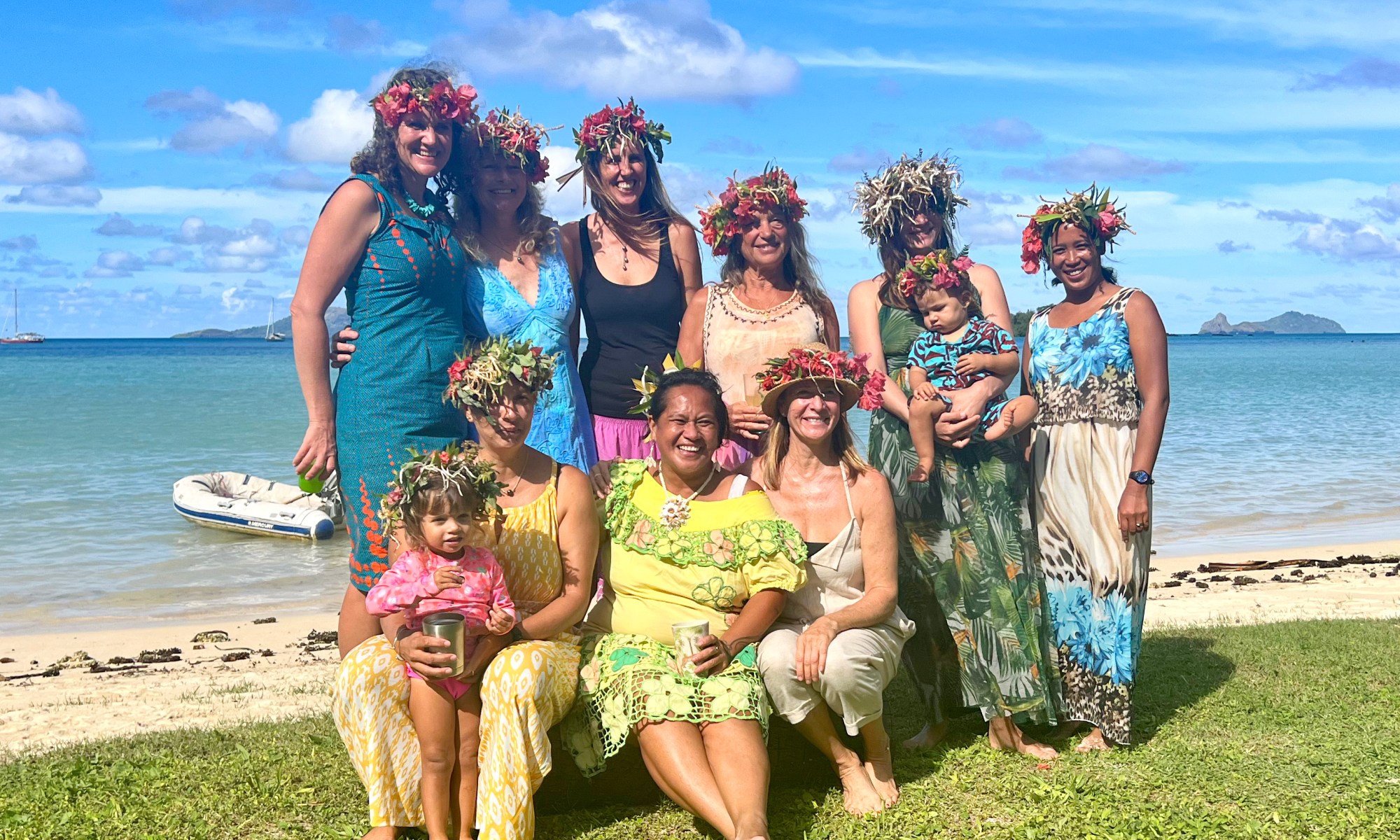
Having only just settled in, we received an invitation to join a potluck hosted by the delightful Hervé and Valerie at their home on the neighbouring island of Taravai, a tradition that has been running for thirteen years and is held every Sunday throughout the summer months. As one of three homes on the island, these get-togethers allow Herve and Valerie to socialise and get to know the scattering of travellers that pass through each year. For these regular Sunday socials, Hervé hunts down a wild pig, goat or free-range chicken for the roast and everyone else brings a meal to share, and the feast is inevitably followed by an afternoon of pétanque or beach volleyball. Their hospitality was so warm that I returned to celebrate my birthday with them, which they honoured in traditional Polynesian style with a communal midday meal, a floral wreath and a half-dozen beautiful black pearls. I felt like a glamorous island queen, bedecked in colourful bougainvillea and delicate orchids, my hands full of the ocean’s most prized treasures. To credit Hervé and Valerie, their efforts in establishing this tradition have enhanced the cruising experience — creating family amongst strangers. The camaraderie that came from the easy friendship, warmth and hospitality was a true Polynesian welcome. If this was what Pacific cruising offered, we’d found our Eden.

Having enjoyed time on lush, verdant mountains islands, we decided to head for the sparse, sandy islets that line the outer reef, where the water was clear as crystal and the reflection of the boat bounces back off the fine white sand below. We were travelling in company with two other boats and we spent our days together in the quiet calm of our tranquil oasis, our lazy days punctuated by wandering uninhabited shores, snorkelling the surrounding reef and enjoying the peaceful beauty of our aquatic paradise. It was wonderful to see the reef as healthy and bountiful as it was, given its proximity to human population and a prolific pearl industry. The prevalence of ciguatera, an illness that comes from ingesting fish contaminated with the toxin, means the locals avoid hunting reef fish from within the lagoon. As a result, the reefs are stocked full of a large variety of fish and the shark that are drawn to them, resulting in days spent with our heads submerged in crystal-clear water. Leaving an anchorage to relocate to another inevitably means side-stepping the scattering of isolated reefs and sailing through the maze of pearl farms and oyster nets that spread throughout the lagoon, a visual reminder of the lucrative industry that fuels the economy in this remote region of French Polynesia.

It is fitting that the Gambiers produces the highest quality pearls in French Polynesia, as it offers a product akin to the qualities of the island itself: Rich islands encircled by a string of pearly-white cays, the vibrant colours of reef fish and the unique beauty of the people. All of this combined offers the transiting cruiser an experience that is as highly sought-after as the pearls themselves. It is, both literally and figuratively, The Pearl of French Polynesia.

The Great Polynesian Gift

Link to published article: The Hidden Gift

There is a small island in French Polynesia that reminds me of that last gift left abandoned under the Christmas tree, passed over for all the other larger bow-tied, red-and-green wrapped packages. When the party is over and all the extended family have made their way home, a tired eye spots a small paper bag bound in scotch tape left half buried beneath the fallen pine needles and discarded wrapping paper. It is picked up, casually unwrapped and the holiday’s greatest surprise lays unexpectedly in hand.

Maupiha’a is this modest little treasure. After spending time in French Polynesia’s larger, more well-known islands, few have time remaining on their visa or in the season to tuck into Maupiha’a on their way west. With a total landmass of 2km2, sailing right past is certainly an easy thing to do. For those who choose to visit, they may need to abort due to the small island’s even smaller pass. With a circular lagoon surrounded by one main islet, several smaller motus and a continuous outer reef, all the water that floods into the lagoon at high tide must exit through the single passage on the western side of the atoll. This fast out-flowing water can cause currents up to 9 knots, so timing entry is essential. The best time to enter is at high water with the engine at full speed. The current will still be against you at about 4 knots but you can at least make slow progress. Once committed, there is no turning around inside the narrow 18 meter-wide pass. Those who succeed, however, soon discover what a hidden gift Maupiha’a really is. Unassuming on the outside, a rare treasure on the inside: Maupiha’a is that lost gift hidden under the Christmas tree.

Located on the western edge of the French Polynesian archipelago, Maupiha’a is the epitome of isolation, its residents a model of self-sufficiency. It is 100 miles from its nearest populated neighbour and there is no supply ship that comes to deliver food and staples as exists in other French Polynesian islands. The locals on Maupiha’a raise pigs and chicken, collect tern and booby eggs and hunt for fish, shellfish and turtle. They maintain their own small gardens and drinking water is collected by catchment or cracked from a coconut. What isn’t grown, raised or hunted is brought in by a seasonal convoy of willing international cruisers who come laden with flour, rice, sugar, seasonal fruit and a myriad of other staples during the dry season. When the flow of cruisers ends, life returns to a self-sustaining isolation until the Pacific fleet resumes the following year.

I sailed into Maupiha’a in 2006 carrying fresh fruit and vegetables donated by family in distant islands, however this time we were behind a group that had already done the same. Back then the lagoon had been a minefield of oyster beds, but a hurricane wiped out the buoys and killed the industry since my last visit. While Maupiha’a had a short period in pearl farming, it has primarily been used over the past century as a copra plantation. Starting with a workforce of three in 1917, the influx of workers shifted from several hundred at the height of the industry to the handful that now remain. For a scheduled ship to make the trip to the island, the residents must collect a minimum of 50 tons of copra — an amount that takes the current eight inhabitants about two years to harvest. It is a long time to wait for a replenishment of supplies, so visiting yachts are both a welcome and necessary part of survival on the island.

As such, cruising boats are met with open arms when they enter this small mid-Pacific sanctuary. We sailed across the four-mile wide lagoon to the southern side of Motu Maupiha’a and dropped our anchor through crystal clear water into fine white sand, as picturesque as any holiday postcard. We wandered ashore to take a stroll on the palm-fringed beach and soon ran into one of the island’s locals. Pierre was warm and gregarious, inviting us to make ourselves at home on his island. I offered a pair of flip-flops to replace his broken one, but he insisted on scavenging a lone replacement from the windward side of the outer reef where the supply was plentiful. We passed him again the next day, and he waved us over and offered us fresh fish for our meal that night. I accepted on the agreement that he join us, and that first meal set the foundation for communal living for the rest of our time together. Pierre showed us how to live off the island’s resources, turning us into prime contestants for Survivor Island. He taught us how to hunt, kill and clean meat off a coconut crab, how to determine if a tern egg was embryo-free, how to pluck a coconut from a tree and make fresh milk, how to catch a fish on a un-baited lure (in 5 seconds, guaranteed). By the time he was finished with us, we could be cast ashore on any mid-Pacific island and feed like royalty if given a rubber band and a rusty hook. In exchange, we supplied Pierre with a regular dose of coffee, his drink of choice, and took him on his first sailing trip since his arrival seven years earlier. We also left him with a six month supply of mayonnaise, the “magic sauce” to accompany smoked coconut crab. Pierre was happy to live in the present and take each day as it comes — and that lesson was the greatest gift of all.

After a week of exploring Maupiha’a natural resources with Pierre, we departed with the change in wind to find a more settled holding on the northern side of the atoll. We reluctantly said our farewells, feeling we’d never find such unbridled generosity and hospitality anywhere else, only to find it replicated by our hosts in our new location. As soon as we landed our dinghy ashore, a mother-and-daughter pair came out to greet us.  They had been in the middle of burning coconut husks in a fire, and they took a break from this sweaty work to extended a warm welcome and escorted us around the area, showing us their small garden, a motley collection of animals, and their home. We were offered that day’s catch and I accepted on the grounds that we share the fresh-caught spoils. I came ashore that evening expecting to be given a fish that I would cook over an open fire, and packed a number of side dishes, plates, and a bottle of wine to accompany the meal. When we arrived, the table was set and a full five course meal was already prepared, a green coconut waiting on a plate for each of us. I offered the wine but it was rejected as a slightly fermented coconut was the “champagne” of choice. I humbly accepted the one-sided extravagance that was offered us, knowing that they put aside that day’s work to provide us with such a lavish meal: We had fresh grilled fish, tuna sashimi, coconut crab “pate,” stewed giant clam, and a freshly baked chocolate cake. The night was chatty and festive, and evenings of shared meals remained throughout the duration of our stay.

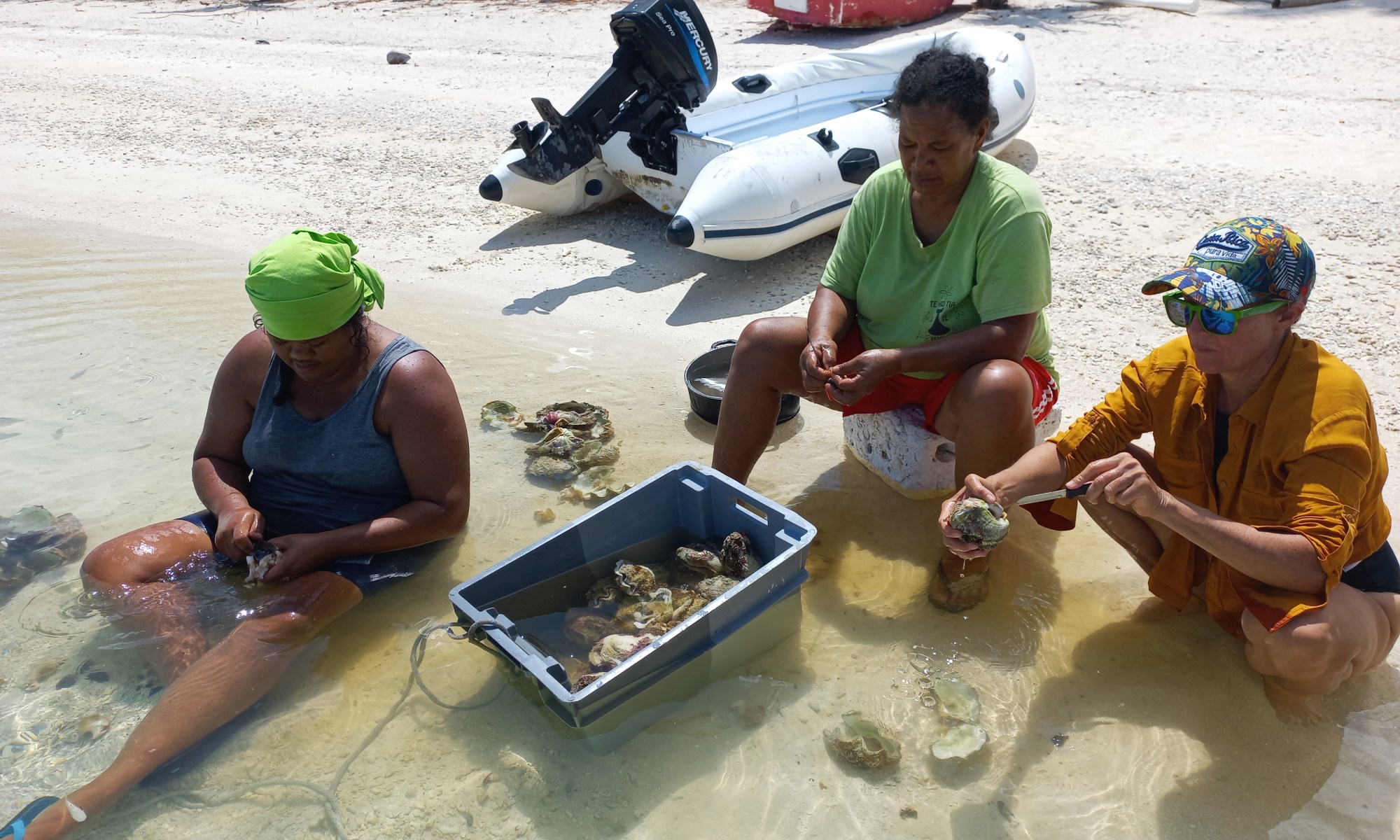
As with Pierre, Adrienne and Karina invited us to join them in their daily routines and taught us about life on the island, and how to survive on it. We were taken out out to one of the smaller islets to walk among booby hatchlings, their downy heads straining to get a look and size us up as a threat. We were shown how to hunt for coconut crab in the night, Karina’s strong, deft hands a stark contrast to my timid, blundering fingers. I would willingly survive on bird eggs, but only desperation would force me to tackle one of those Hulk-sized pinching terrors. Having witnessed the mass graveyards of giant clams throughout the Caribbean, we went on a snorkelling exhibition to learn how to pry the shell from the rock. I massacred one of these vibrant purple beauties with a flathead screwdriver but had no interest in removing any more of these vibrant creatures from the ocean. Forty clams were harvested for a single meal, served as a delicacy that night and it was, indeed, a tasty one. However, I felt guilty eating something that I know to be endangered. I was only playing “stranded” on the island for a short period of time, and with an estimated eighty boats passing through in a season there would be an incredible demand put on the clam population. Hopefully a balance is reached during the off-period to let the population recover in time for the next season’s fleet.

Karina also took us out to snorkel the pass, a popular gathering spot for grey, white and blacktip shark. The site was my only instance of aggression by shark on my earlier visit and I was nervous to get back into the water with an even larger group patrolling the seafloor. They were curious but not aggressive, so we enjoyed being swept along with their darting silver forms following underneath us through the pass. Laying in five meters of water outside the pass was the highlight of the tour: Seeing the scattered remains of the Seeadler, a WWI German sailing warship that had grounded on the outer pass 100 years ago, taking the island’s population of three and turning it into an instant settlement of 111. The mixed group of crew and prisoners of war were stranded on the island for several months, building the “Seeadlerburg Settlement” out of the broken wreckage of the ship. The history of the ship and the story of its crew is as rich following the wreck as before it grounded, and to see its rusty bones scattered across the scarred earth was a poignant moment for us all.

Little did we expect our days and nights to be so richly filled with new-found companionship when we drove our yacht through the daunting pass into this little mid-Pacific refuge. If there ever was a place that time forgot, it is Maupiha’a, where living off the land — and sea, for that matter — is true to the word. While the modern world has settled into much of French Polynesia, Maupiha’a remains a little slice of ancient Polynesian past. There is no bi-monthly supply ship, no church or school, no medical facility or governmental office. There isn’t an airport, cruise terminal or tourist centre. Definitely forget your Marriott or Four Seasons. Whoever visits, whether permanent or transient, must come fully self-sufficient. According to Pierre, this is part of the attraction: Life is simple, needs are basic and demands are minimal.

As an outsider, our hosts showed us that Maupiha’a is, above all, the epitome of selfless generosity. With copra to process, small livestock to raise, a garden and home to maintain and fish to hunt, life is not idle on this little island. But regardless of everything it takes to maintain an existence on the island, routines shifts when visitors come a’calling. Daily chores become tourist expeditions, meals become banquets, strangers become friends. We could not have guessed from the outside the treasures that lie within. Maupiha’a is that forgotten gift, which once unwrapped holds a value far greater than all the other presents put together. It is proof that, sometimes, the best things do come in the smallest packages.

First and Last

Link to published article: First and Last

Tonga is, for both John and I, the first and the last of our great big adventure. Tonga in 2011 was our testing ground, to see if what we’d enjoyed separately would be something we enjoyed together. Tonga in 2022 is proof of that mutual passion, and all that lay between those years lies a rich tapestry of countless expeditions and unquantifiable experiences. Our new boat became our permanent home and into that existence we brought two children, a son and daughter, and over eleven years we visited 36 countries and transited three great oceans. Our Tongan trial had turned out to be a great success. 

We feel very fortunate that our very first country is also our last. Tonga was a busy tourist destination in 2011, both by land and by sea. It is a popular stop for cruisers on the route across the Pacific and it is a part of the Western Pacific loop. In typical years it also has an established tourist and charter industry, so sailing around the islands is often a bustle of movement and  crowded anchorages. This is how we remember our first visit all those years ago. In 2022, however, Tonga is a very changed place. Due to the pandemic in 2020 and a tsunami in 2021, Tonga sealed its borders to the outside world for the past three years. October brought big changes: Land and sea borders opened and international tourism resumed. For most cruising yachts, the timing was too late in the season to take advantage of the change in policy. For stragglers like us travelling toward the South Pacific later in the season, however, the timing was ideal.

We sailed into Tonga on the 4th of October, the fourth boat in three years. Rather than being one obscure yacht of many, this year we were one of few. Opposite to blending into the crowd, our AIS had been picked up and our arrival known before we even laid sight of land on the horizon. From that moment the effusive welcome began. “Ātea, Ātea. This is Vava’u Radio. Welcome to Tonga!” As we pulled into the customs dock, locals came out to greet us and as we cleared and set anchor, calls from the expatriate community were welcoming us in. The few fellow cruisers who proceeded us popped over to say hello. Tonga was a real homecoming amongst total strangers.

Tonga is a relatively small country, broken up into three regions: The lush limestone islands of Vava’u in the north, the picturesque low-lying coral islands of central Haapai’is, and the densely populated southern capital island of Tongatapu. Yachts typically go to Tongatapu for no more than clearance and the Haapai’is are generally under-rated and ignored, which leaves Vava’u as the popular destination of choice for tourists and cruisers alike; and there’s sense in this. Vava’u offers dozens of small islands to explore in a large sailing area protected from the ocean swell by a surrounding offshore reef. The deep water between lush limestone islands bring a stark contrast of colour in deep blues and greens, and moorings are available in designated anchorages for a small fee. What isn’t available is the more tropical setting of rich coral gardens and clear aqua waters; this is what the Haapai’is offer and a trip to this neglected central group is well worth the effort. In a normal season, the anchorages around Vava’u are crowded with tour boats, local charters and cruising yachts, all vying for an available mooring. The yachting season runs from May through to October, which fortunately coincides with the whale season when pregnant females come to deliver their calves and suitors follow to continue the cycle of birth for the next year.

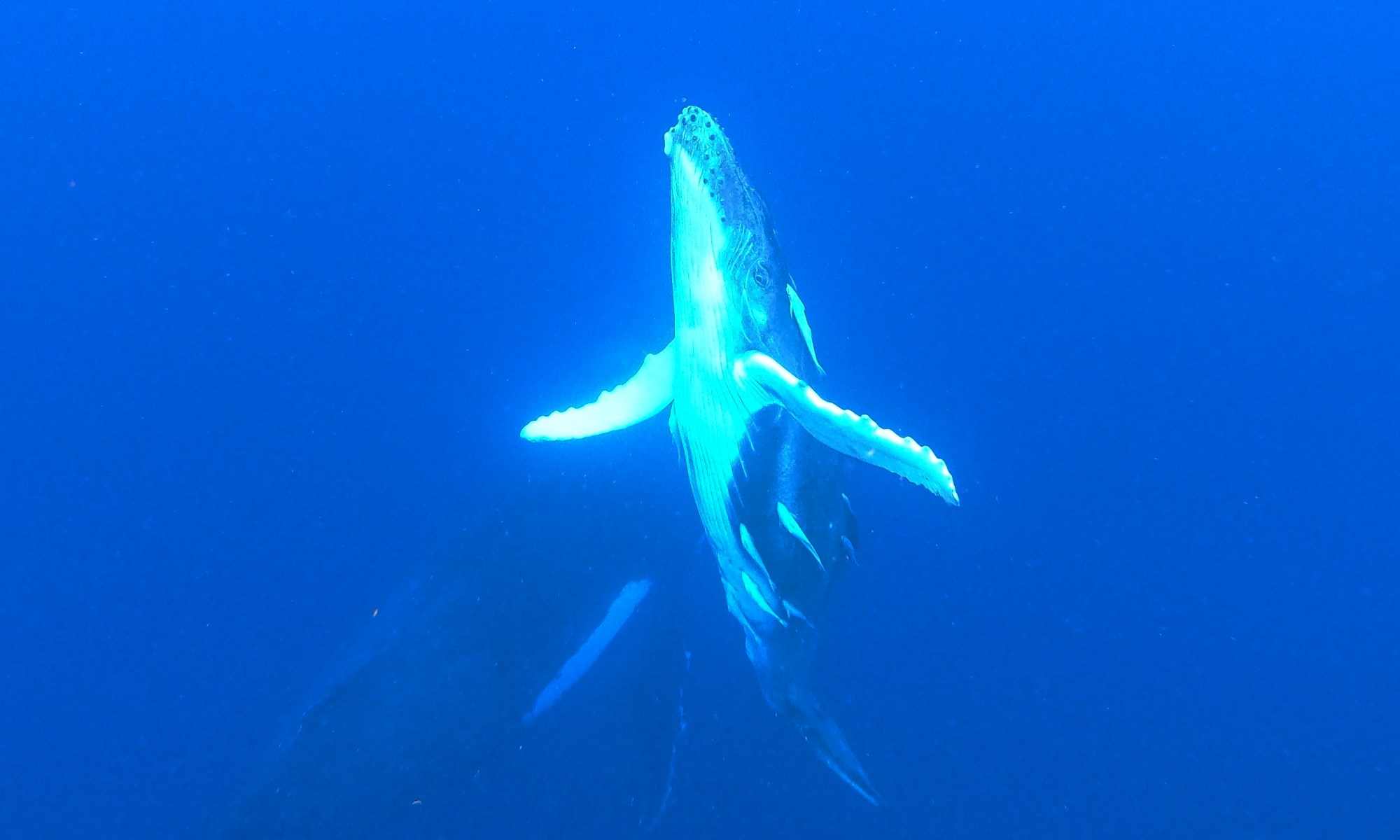
It is for the whales that we made Tonga our destination this year, more so than the sentimental appeal of “closing the loop.” I knew that all our other cruising friends were in Fiji and the reunions and parties would be continuous, but Tonga held the chance of sighting whales. Choosing between nature or social, I chose the experience that would, for me, be irreplaceable. Tonga is one of the few places in the world where you can swim with these gentle giants and the opportunity to be alongside them in the water is a rare one. We were late in the season so the chance of seeing whales was low, but I wanted to make the effort if the possibility was there. I was well rewarded. There were a few mother and calf pairs and escorts remaining in the protection of the sheltered waters. We could hear their calls as we snorkelled and watched them breech, roll and fin slap from our anchorage. To swim next to them was a beautiful experience: Tender, graceful, curious and relaxed. Mother guided calf to her side with the nudge of a fin, calf rolling over and around her mother’s bulk, a small body tucked under the massive head of its mother, and the intimate sight of a calf nursing as the two swam slowly in union. To be next to them, observer and observed, offered more than could ever be imagined.

When we weren’t with the whales, we were with the small community of cruisers that had quickly become good friends. Given the few boats visiting Tonga this year, every new arrival was celebrated by both cruiser, expatriate and local community. We joined church service on Sundays to listen to the wonderful booming song that marks a central part of the service, and we were invited to community meals that followed. We developed a warm rapport with the local expatriates whose businesses had been closed for years, and were taken under wing by a few who took us on a complimentary tour of the island and its landmarks. We joined forces as a cruising community, getting together for morning exercise, an early coffee, a lazy lunch and social dinners. We gate crashed private parties, where the hushed word of “pālangi…. pālangi… pālangi…” was whispered, labelling us in the Tonga language as white foreigners, before the doors opened to let us in. Apparently, as outsiders we weren’t on the invite list but warm hospitality had us quickly included.

The main town of Neiafu is a small strip that runs one vertical street and one horizontal street along the waterfront. By the end of the first day you’ve seen everything the town has to offer and know half the shopkeepers by name. Outside the village, everything is a spread of simple houses and rural properties. There is Kilikilitefua, the “wall of rocks” which was the product of a census that used to record the birth of the firstborn son of everyone family by adding a volcanic rock to the pile. There is the remnants of an old fort, protection for the community from attack by the waring tribes in the Haapai’is and Tonga Tapu. There are fresh water caves which supplied previous generations with drinkable water and there are ocean-facing caves where livestock were kept and sheltered, pinned in by the high tide, and there are saltwater caves that provide some exhilarating deep underwater entrances to enter through. A trip around the island is both an education on current culture and a lesson on its rich history. While the cruising grounds make Tonga a fantastic destination, the rich cultural heritage and shoreside services also offer much to explore.

We sailed into Tonga for the first time as a new couple on a new boat, and this year we sail out with a decade behind us and two kids in tow. The country symbolises the first and the last destination of our great adventure, but I should clarify: Tonga is the first and the last of this great adventure. A big change lays ahead of us as we pull into New Zealand and move ashore, and Ātea gets a long break from all the continuous miles she has carried us over. While Tonga symbolises the end of our time as long-term cruisers on Ātea, the adventure is definitely not at its conclusion. If Tonga teaches us anything, it is that the world is both behind us and ahead of us, and we are only turning a page in this great big adventure called life.

Link to Images: <a href="http://<iframe src="https://www.facebook.com/plugins/post.php?href=https%3A%2F%2Fwww.facebook.com%2Fsvatea%2Fposts%2Fpfbid02pcHewN7eJ49J4J95Ex4ECTdPwXtFApXzdmuKZwZWJQMPSah64gutWbJw9X5fpcR9l&show_text=true&width=500&quot; width="500" height="695" style="border:none;overflow:hidden" scrolling="no" frameborder="0" allowfullscreen="true" allow="autoplay; clipboard-write; encrypted-media; picture-in-picture; web-share">Tonga

San Blas: A Taste of the Pacific

Link to published article: An Authentic Experience

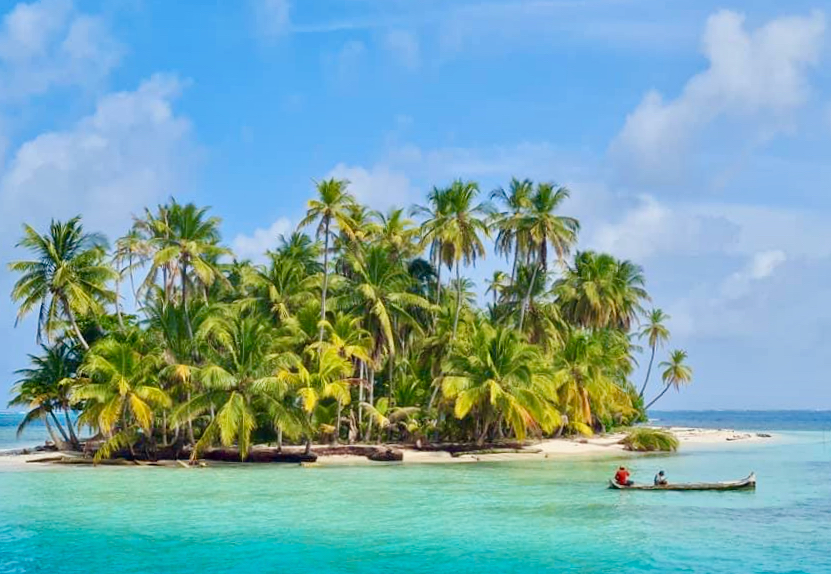
Temperate, crystal clear waters to swim in. Palm-fringed, white sand beaches to stroll. An archipelago of over 300 unspoiled islands to explore. The painted face and bangled-arm of a tribeswoman selling the intricate stitched artwork of her ancestors and an indigenous community that repelled colonisation, banned international development and restricted mass tourism, people who hold firmly to their traditional roots. The San Blas islands are a living history, a preserved native culture, a protected archipelago; they are a different world from the remainder of the Caribbean cruising grounds and are as close as you can get to experiencing the Pacific islands without leaving the Atlantic Ocean.

Laying along the Caribbean coast of northern Panama, the San Blas islands stretch 100 miles along the southern Caribbean Sea between the border of Colombian and the Gulf of San Blas. Officially renamed Guna Yala by the Panamanian government in 2011, the majority of islands are small uninhabited islets and cays, and the 49 islands that are inhabited are generally occupied by no more than a family or two living on land passed down to them through the generations. Traditions runs deep within the Kuna Yala culture, and it would be fair to say it is the best preserved indigenous South American culture to this day. Subsistence fishing and coconut cultivation is the generate the main income, and sale of the unique layered fabric panels made by the Kuna women, the Mola, is also a large part of the economy.

The San Blas islands had long been on my A-list of destinations. Having lived there in the mid-seventies, I was far too young at the time to hold onto my childhood experiences of Panama, but my parents remembered our time there with great fondness. Stories of crash landings in Kuna territory on a broken bi-wing and semi-permanent face markings painted down my mom’s nose were two of my parents many stories. They’d sailed through the remote San Blas islands long before it became a popular cruising destination, where they were greeted by men in dugouts who offered fish, lobster and coconuts and woman who displayed their intricately woven Molas. They retold the stories with such vivid detail, making me yearn to seek out similar adventures. When Panama finally lay in front of us, I knew exactly where I’d be spending my time. The question was, what remained? Had the authenticity of the islands been wiped into the past, or had the Kuna truly succeeded in holding onto their tribal heritage? Would I walk in my parents footsteps, or would the adventure only live through their stories?

My turn was up the morning we sailed into the San Blas Islands and laid the anchor down in front of the Swimming Pool, a popular anchorage in the Eastern Holandes. Given the name, I knew I wouldn’t be experiencing the San Blas of my parent’s day. We shared the anchorage with one other boat, however, and that was a popularity I could accept. The water was still a clear, transparent aqua blue. The tiny islet in front of us had one traditional palm-built shack sitting under a crowd of palm trees. Out on the water a man sat in his wooden dugout fishing off the edge of the reef. “Mom, Dad,” I thought, “I walk in your footsteps!

I strung the hammock on the aft deck and eased myself in, set to soak up every morsel of my quiet, idyllic paradise. Tilting my head back to top it off with a sip of cold rum, I spotted a yacht headed our way. Behind that yacht, another, and another beyond that. My paren’t footprints were disappearing with every sail that popped up on the horizon. Within a few hours the anchorage turned into a crowded parking lot, my beautiful sandy island barely visible through the bimini of the boat that dropped anchor on top of us. Just before sunset a small dugout with a Kuna family slowly paddled towards us. Salvation. My dream had been altered but was still intact. I knew that the Kuna Indians held firmly to their traditional ways and had refused assimilation into the Panamanian culture. As the dugout pulled alongside I smiled broadly knowing my Spanish wouldn’t help but searching for a fish in the hold as our common goal. My smile was returned by an equally enthusiastic grin and, in clear and concise unbroken English, he asked for a $5 anchoring fee. Between my English-speaking Kuna host, my island view through the backend of another yacht and the keel-hung traffic jam around us, my hopes of experiencing my parent’s version of the San Blas were dashed. I would have to set my own footprints in the sand.

Shifting expectations didn’t take long, however, as there was plenty on offer within the San Blas regardless of its increased popularity. While there are many islands within the archipelago, there is a concentrated group of islands where most of the cruising happens. Follow the popular cruising guide, the Bowhouse Guide, and you will enjoy a social hub within a defined cruising circuit; tread out of that area and you have can experience a far more remote San Blas. There are still areas throughout the archipelago where time continues to stand still.

We were rarely alone as we sailed a clockwise course through the San Blas, as the islands are now an extension of the Atlantic cruising circuit. Charter and cruising yachts fill the anchorages throughout the archipelago and local tour operators run day trips for tourists out to the inshore islands. Panamanians have adjusted to the increase in tourism by running skiffs to many of the popular islands, offering a range of provisions from fruit and veg to beer and wine. Many of the Kuna have integrated with mainland Panama and now speak Spanish, and English to a lesser degree, allowing us to share a language and bridge the linguistic barrier. While forty years has brought many changes to the San Blas, some of those have made cruising the islands a more convenient and comfortable experience.

That said, while tourism has come to the San Blas, it is still very low-key. The Kuna have refused any large-scale development and the options for over-night accommodation are rustic, some as basic a hammock strung between palm trees. In addition, the handful of islands that offer this option are close to the mainland, restricting tourism to the majority of the islands. We had the unique opportunity to spend an afternoon with the ex-President of Panama, Ricardo Martinelli, when his helicopter landed on a small uninhabited cay near where our anchorage in the Eastern Holandes, providing us insight to some of the politics of the recent past. The ex-president discussed his campaign to turn the San Blas into “the next Maldives.” The Kuna, however, hold sovereign independence throughout the islands and have rejected attempts to develop resorts throughout the islands. It was not progress the Kuna wanted, and I realised then what a privilege it was for us to be able to travel throughout an area that had fundamentally remained so unaltered by outside influence. It may not be exactly what my parents had experienced, but it wasn’t far off it.

That afternoon showed me that my first assessment of a lost culture hadn’t been entirely on the mark. Clearly there were changes, but this two-hundred year old culture still had firm roots. Many of the dugouts had outboards, but square-rigged wooden canoes still sail throughout the islands. Kuna men still row up with their bilges filled with fish and coconuts, often accompanied by their wife and child selling molas for $40 a pane. To sit with these woman and look through the intricate stitch-work made me appreciate how much of the Kuna traditions were still very much a part of everyday life; molas are hand-stitched exclusively by women in their spare time between rearing children and household demands, and each meter-square piece can take up to a month or two to complete. While men have moved towards modern clothing, most women dress traditionally in a cotton wrap and mola blouse, a colourful headscarf worn to deter evil spirits. Their wrists and ankles are wrapped in multi-coloured beads and married women still wore the traditional gold nose ring and thin black line painted down their nose. Huts ashore we still very much replicas of the housing of their forefathers, and families still live on land that has been passed down to them through the generations. Some islands are no longer inhabited, but many are still run exactly as they have been for centuries.

We’d been warmly welcomed by all the Kuna we’d met, and a few of them allowed us a closer insight into their daily lives. One particular interaction stands out as we were invited to spend the evening with a Kuna family in their home. When we arrived, the head of house stoked the embers of the fire-pit and we were invited to cook with them. Their lodging was built as three separate huts, all made of palm fronds laid over a wooden frame and set on a sand floor. Hammocks were strung up inside the huts for sleeping, the kitchen was set up inside a lean-to and the sink was open air. Their companionship was relaxed and casual, and the evening thoroughly enjoyable. I didn’t leave with a piercing or painted strip down my nose as my mother had during her time with the Kuna, but I generously wrapped in beaded wrist and ankle bracelets which made me feel that I could experience an authenticity that is still inherent in the culture forty years on.

Nowhere in the Atlantic had I felt so close to an island nation with such a true sense of cultural identity; slightly modified but inherently intact. The key factors that made us draw the comparison to the Pacific is that the Kuna culture is completely different from that of the rest of the Caribbean, where islands have become either first world nations or are trying to become one. That development has been wholly rejected by the Kuna. As in the Pacific, you are guests to their island, and you come into a community that is largely unchanged for hundreds of years. They are both a substance culture, with strong family ties, adhere to tribal ways and obey the rules laid down by the chief. In comparison to the Caribbean, there are fewer boats, fewer charters and fewer tourists. For Atlantic cruisers who want a slice of the Pacific Islands, the San Blas offers the very experience on a small scale in the southwestern corner of the Caribbean.

Link to Images: <a href="http://<iframe src="https://www.facebook.com/plugins/post.php?href=https%3A%2F%2Fwww.facebook.com%2Fsvatea%2Fposts%2Fpfbid0zosydCmrsFBxemg2SVBCGzKeie6CuV9fDqqd88D1YkDBtpu3Xiv3zS6tva9sTk9cl&show_text=true&width=500&quot; width="500" height="676" style="border:none;overflow:hidden" scrolling="no" frameborder="0" allowfullscreen="true" allow="autoplay; clipboard-write; encrypted-media; picture-in-picture; web-share">San Blas

Ey Ey Brother Shackleton 

Link to published article: Ey Ey Brother Shackleton

I’ve spent a notable time on the sea but don’t consider myself much of a seaman. Not in the nostalgic sense of the word – weathered old souls with salt-imbued rags who sit in old bars scratching their matted hair telling tales of their conquests and mishaps. Of course, I’ve had my share of adventures worth telling over a cold pint, but somehow I don’t feel I fit the mould. I sail a boat. I live on a boat. I raise my kids on a boat. I transit oceans by boat. But seasoned seaman? I don’t think so.

As I sat sipping a frothy pint in Peter’s Bar, with decade upon decade of captain’s hat (and the occasional captain’s bra) above my head, I felt like I’d finally earned that right. Peter’s Bar is as old as the volcano it is built on, currently run by its third generation of Sr. Azevedo, who continues to supply transiting mariners with more than just ale: for generations Peter’s Bar has been the sole support for ships and people passing through, supplying provisions and parts, mail collection and delivery, medical supply and local gossip. It might’ve taken me ten years, 55,000 miles and a few dozen ocean crossings, but I finally got it — that feeling of what it is like to be an old saltwort worth her lick.

Of course, having just completed a two-month passage was a factor. I didn’t really feel the gravity of what that meant until we pulled into Horta at the conclusion of our 60,000 mile trip from South Africa to the Azores and people gave their congratulations as we sailed in. We shook hands ashore with locals who already knew about us and were impressed by our recent time at sea. So, when I sauntered into Peter’s Bar and ordered a pint and sat down amongst the painted faces of patronage from generations past — Chichester, Montessier, Knox-Johnson — I felt that welling of pride. Yeah Shackleton, I gotcha bro.

After two weeks swaggering around the streets of Horta en simpatico with those cruising legends, it was time to refocus on the reason I spend all this time on a boat: To explore. For me the beauty of boats isn’t weather routing, reefing sails and clocking ocean miles. I like all that — particularly the ocean miles surrounded by the beautiful silence of that endless, endless sea. What I like most, above and beyond it all, is what lays at the other end. I like charting the destination and then rolling in and discovering the truth of a place beyond my ignorant expectation. Or often, my lack of expectation. Maybe my high school history told me more than just its geography, or perhaps the news has revealed some current catastrophe. But often a country means no more to me than a name on the map. Then I draw a line between where I am and where it lies. I point my boat in that direction and spend weeks watching the miles tick away as it gets closer. And then one morning, bam!, I am there on her shores — everything new and unknown and waiting to be discovered.

The Azores was like this for me. I’d heard of the Azores. Perhaps in the news. Perhaps in a lesson given by my 11th grade teacher. But I hadn’t learned about the Azores. I didn’t have any current knowledge of the Azores when I arrived but everything I was hearing on arrival had me itching to explore: volcanic craters, black lava pools, lava tubes, lava rock vineyards, the barren exterior, the lush interior, the bulls and the bull fights. Highlight after highlight — it was time to bring my modern-day explorer into action. I marched my kids around the streets and the countryside, to the museums and the cactus gardens and into every rocky lava-created attraction offered. They were as gobsmacked about its rich history at seven and nine as I was at forty-six: The sordid plight of the Sperm Whale and the island’s involvement in the near decimation of the species, its longtime influence in maritime history and its significance as a trade hub between Europe and the Americas, its ever bubbling and exploding volcanoes. How did I miss all that fascinating history? How cool to be learning about all of it now.

We focused our time in the seven islands that make up the Azores on four islands: Faial, Pico, Sao George and Terceira. Faial was a highlight in its volcanic highlights. We anchored in the main harbour and took day trips throughout the island from there. The north was wet, lush and tropical with dense forest, high altitude lakes and fantastic views of the island. The south was dry and developed, with the capital Horta as the economic and social centre. Town was a twist of small winding streets that led from the town basin to the hills with a fantastic botanical garden at the top of it. The architecture had the look of a quintessential small European mountain village with uniform architecture and colour, a mix of well-maintained homesteads and dilapidated ruins. The most recent volcanic eruption in the 1950s sent most of the population to America; many of the residents returned but a significant number of people had permanently resettled, leaving their family homes abandoned. The west was dominated by the dramatic Capelinhos volcanic crater and to the east the caldera. Running all around the island was a succession of volcanic lava pools, unique in structure and stunning in appearance.

Pico is a singular vocalic cone that juts out from the sea with cooled lava flow visible down its sides. There is a small harbour with a busy ferry terminal and swinging room for a yacht or two within. The island is know for its local wine production and tourists flock to the island to see its unique method of growing grapes: individual plants separated by a square fence made from intricately stacked lava rocks, protecting the hard earth from erosion and the plants from wind burn. We spent our day measuring 32,000 steps with the periodic pinch of grape and dip in the sea. Given two of our team have legs that measure 75cm in length, the fact that we marched around a volcano in the heat all day is something to commend them for.

From Faial we sailed for the long southern stretch of Sao George’s dramatic coastline. Hunkering down in a tiny one-boat harbour, we enjoyed crystal clear waters, a small local village and a forested mountainside that came alive with the sound of birdlife at dawn and dusk. There was very little to do in the five-shop village and so we spent our days away from the business that had defined our experience in Horta and enjoyed the quaint solitude of our little spot. We took a holiday and treated the boat as a pleasure craft and not a mobile home. We enjoyed slow mornings and midday swims, spent the afternoon amidst toys and tonic and ate our meals as picnics on deck. Life as a live-aboard cruiser can often be fraught with boat jobs and normal life requirements that leave little of the idyllic lifestyle. So it was with great pleasure that we put all tasks on hold and enjoyed the quiet, simple life for a change.

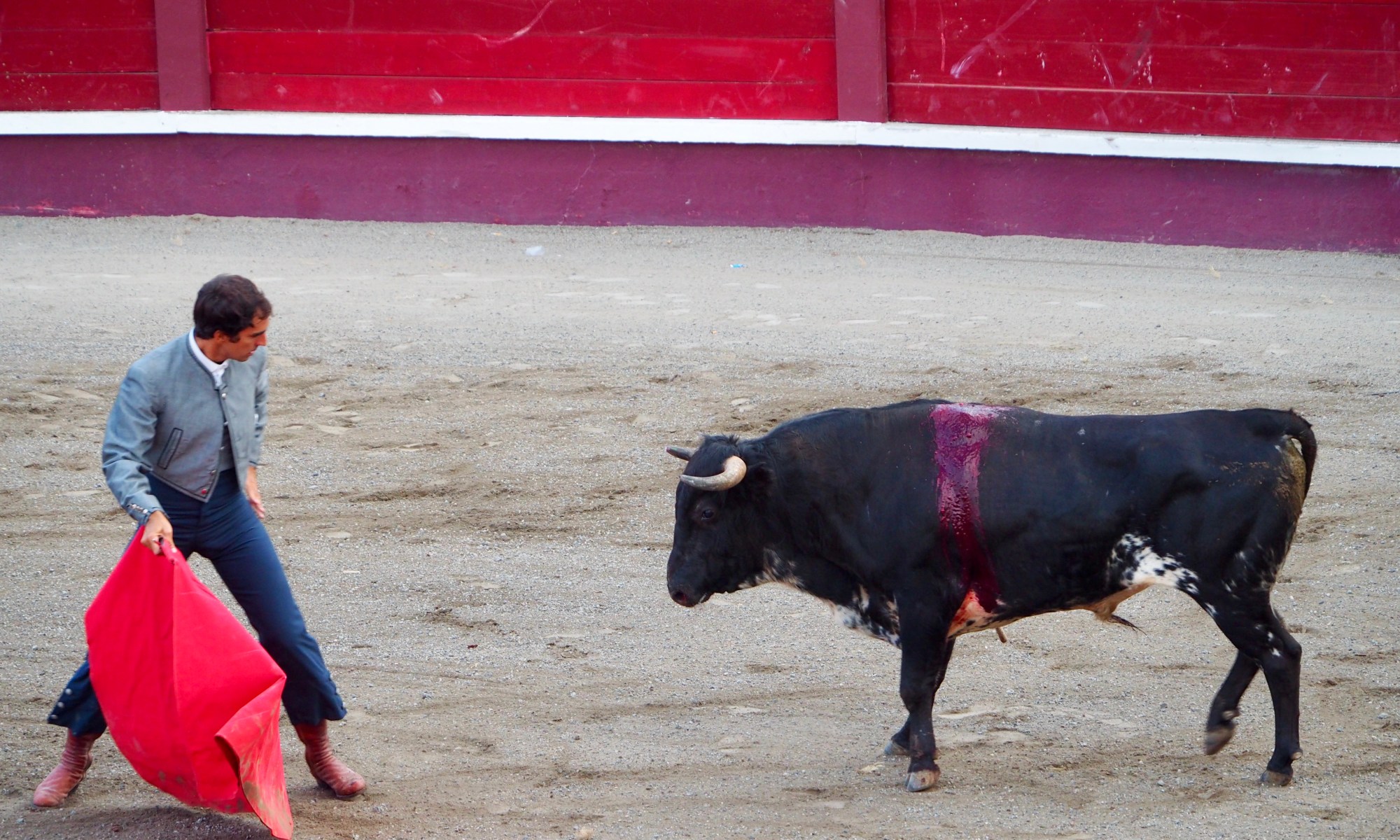
Our last main anchorage was off the southeast corner of Terceira. This became quite a social hub for us, reconnecting with several yachties we’d hung out with along the way and meeting several new ones in harbor. We rented a car and toured the island, wandering again down lava tubes below the earth and getting lost in the labyrinth of caverns of old extinguished volcanoes. The villagers throughout the island were clearly bull-centric, as each village had a central bull ring and many private estates had bullfighting training rinks and stables. This time of year would usually see half of Europe flocking to Terceira to experience the daily bull fights, done village by village and fought on the streets and beaches amid amateur bull enthusiasts and intimated observer. But this year brought only one professional show, done to bring funds into the Catholic Church and appease the demands for this centuries-old tradition. We were fortunate to be able to see the only fight that was put on for the year. While witnessing acts of animal cruelty is something I like to avoid, cultural traditions are a privilege to observe as a foreigner. Sitting amidst the enthusiastic Azorian crowd, we watched bull after bull be taunted to the dance of the skilled matador and the beauty of his trained horse, and enthusiastically joined in with the jeering, cheering crowd. 

I regarded the Azores as a mid-Atlantic rest stop in route across 4,000 miles of ocean but found it to be a remarkable destination in itself. The amount of cultural, historical, and geographical sites demand a dedicated amount of time to properly explore, and once done there should be time remaining to settle in with the ghosts of mariners past with a full pint and an empty schedule. After all, if you’ve made it across the ocean to get there, why not settle into the very same seat that Chichester, Montessier and Knox-Johnson occupied on their transit across the ocean. You earned it after all — you are one of them now. 

Photos posted on: Images

Two Sides of a Coin

Link to published article: A Lesson in Sharing

Our plan was the Caribbean at the end of 2020. The Canaries was intended as a quick layover in route to our rum cocktails, but even quick stops can result in well laid plans becoming obsolete. So it was for our season in the Caribbean, which was quickly bumped as soon as Gambia came onto our radar. I met a German couple while in Lanzarote who had spent time there a year earlier and their stories sent my excitement for coconut trees and tropical fish out the window — muddy river full of hippos and crocodiles? I’m in!

My time earlier in the season in the Western European Atlantic was enough to drive one reality to the forefront: I am in this cruising lifestyle to explore. Hanging out on non-moving boats gets boring quick. I’m not interested in a floating apartment, regardless of what country it is floating in. I live on a boat to travel and explore as many places as possible, and the more culturally diverse the better. As I debated the change in plan with John, I pointed out that all our favourite destinations have been those that were the least planned and the furthest off the beaten track. Gambia, a country that receives two to three yachts per year, was certainly that.

Barriers and Bridges

Including Gambia in a northern Atlantic circuit is not difficult, so I’m not sure why more cruisers don’t do it. It is only 300 miles southeast of the Cape Verdes and It is only 300 miles SE of the Cape Verdes and is an easy stopover to include between Canaries and the Caribbean. There are a few potential obstacles to be aware of, however, and it is important to understand these before making the decision to include Gambia in your route. 

For one, you must be prepared for a third-world experience. For a relaxed visit, you must have a flexible attitude and be able to find humour in the chaos. This is most evident on entry into the country in the bustling capital city of Banjul, where dust and dirt and noise dominate. The clearance process is confusing but the officials are pleasant, and the process can be sped up if you don’t mind greasing palms along the way. Of course, this is all done in the overt undertones of community support. At customs we were sagely informed, “The office has run out of coffee and the team doesn’t have enough money to buy any ahem ahem.” The port captain informed us that he was required to view the stores onboard the boat “but, cough, if you buy me a Coke I don’t think I’d have the time to drink it AND come out smile wink.” Immigration’s excuse was grand: “Our department needs its own boat. We are happy to accept a donation to help us towards that cause.” While I am morally opposed to paying bribes, it was an indication of the tight sense of community that was shown in every village we met along the way. It wasn’t greed that was at the root of the requests, it was the fundamental concept that everyone was responsible to support the whole. And so we paid the $3 coffee donation, bought the captain his $1 coke and slipped $5 to help buy a boat.

You will also have to accept that you will sail a minimal amount of time, if at all. I’d imagined The Gambia being an Amazonian-like river with endless exploratory possibilities. I envisioned sailing slowly up the river with the tide, however in truth there isn’t the distance between banks to make this practical. You’d need to tack as soon as you completed your tack, and continue running sails from port to starboard until you concede defeat and turn on the engine. We did sail, a little, but only when the wind was directly behind us and the tide was running with us. If you want to sail up the river, be prepared for a lot of waiting. Or just turn on your engine and go. 

While motoring may not be a significant disincentive for many cruisers, a 17’ meter bridge might be. The Gambia Bridge was completed two years ago and is the only road access for vehicles crossing the river for 300 miles; unfortunately, it also serves as a barrier to many vessels from exploring the upper reaches of the river. As the trip to Gambia is all about its upper reaches, if you cannot get under the bridge then it may not be a trip worth taking. In our case, we had approximate height of the bridge and approximate height of our mast with a meter wiggle room between them. When we approached the bridge we did so with extreme caution. This meant making our way slowly at the start of the ebb tide with myself sitting up at the top of the mast to keep a visual on our one meter gap. We were right to use caution, as our gap was actually a foot of clearance from the VHF aerial and it was an intense moment when I had to make the call to proceed or abort. Strapped to the top of mast, an error in judgement would result in more than just our boat suffering from a collision. 

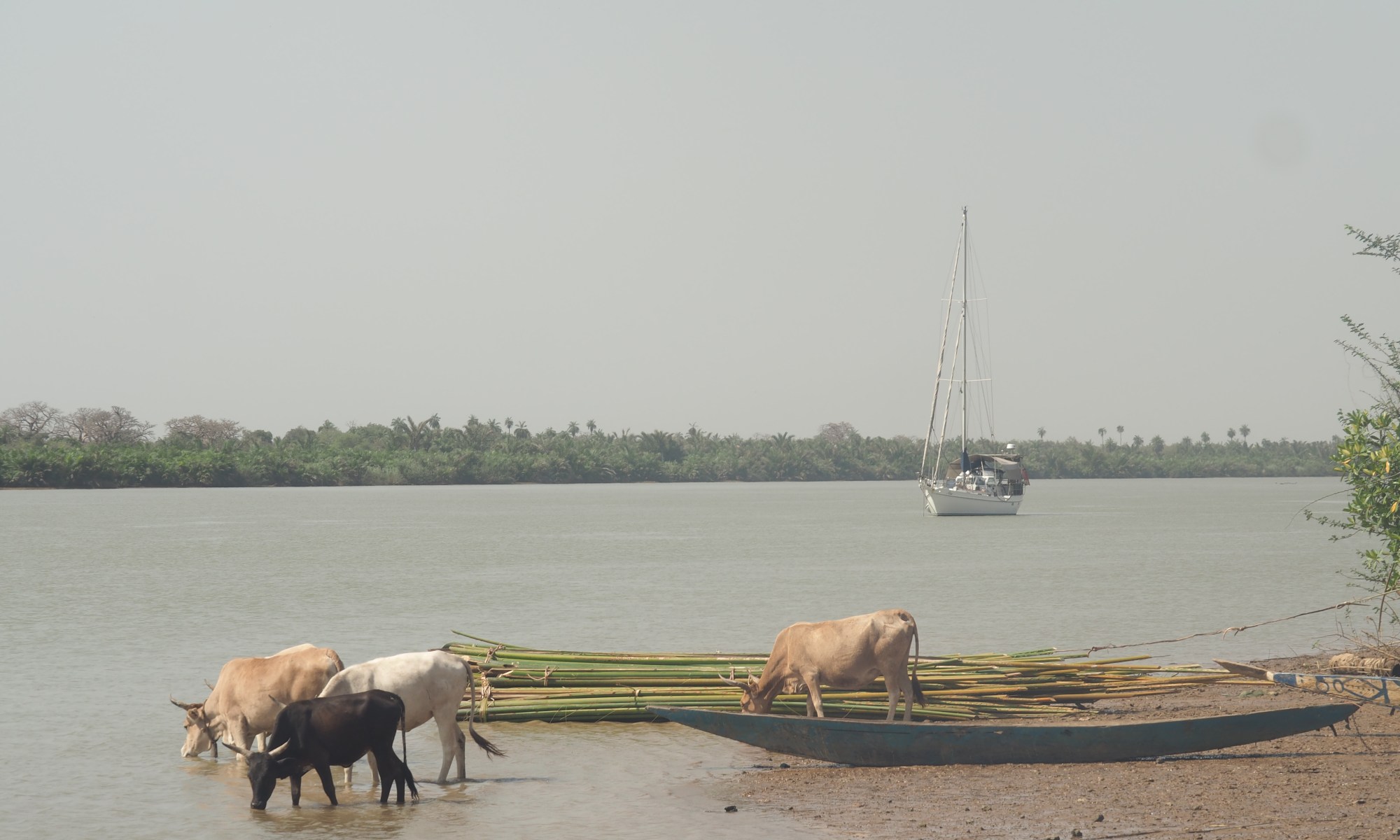
It is only once you are on the other side of the bridge that the other factors become evident. It is here that the wider river turns into smaller creeks, offering secret hideouts to tuck into along the way. The options aren’t always obvious, as you have to know that the entrance to the creek gets shallow before it becomes deep again. You may see less than half a meter under your keel as you approach and may assume that it will only continue to get shallower, but hold your course and you’ll squeak past the entrance to watch it drop to ten meters as you head deeper into the tributary. At 2.2 meters, we often drew a line in the mud with our keel on our way into a creek to find it drop sharply to on the other side. You’d then find yourself nestled up tight amongst the reeds on a boat 15 meters long in a creek just 20 meters wide. Make sure you drop your anchor directly in the centre of the creek or you’ll find yourself bumping the mangroves on the rivers edge at the turn of the tide. 

With small creeks come small insects. We were told that we would need to keep our anchor light switched off at night otherwise we’d be walking on a carpet of moths on deck in the morning; we didn’t adhere as a boat on anchor without a mast-light seemed worse than assisting insect suicide. But best heed advice on the mossies. If you are not prepared for them, a trip through Gambia will be a trip through hell. Mosquitoes are not only present, they are vicious and the itch of their bite will last days. Fortunately, we had a three-tier netting system in place that kept the bugs out of the boat in a series of stages: Netting for the cockpit for the worst of times, netting for the hatches and companionway as standard use, and netting above the beds if barrier one and two had been breached. There wasn’t a night we weren’t thankful for the sanctity of our impenetrable fortress.

Food and water must also be planned for before a transit up the river. As the river is muddy all the way up its reaches, using a water-maker it is not advised unless you have a bilge full of filters. We filled our 1400-litre tank with water from the community well before departure and used water sparingly up the river; we washed our bodies, clothes and dishes in river water and used our tank water exclusively for drinking and cooking. This meant scenic deck showers in the early evenings, a hose dragged through the cockpit to fill the sink and whites-turned-brown clothes pegged on the rail. You must be comfortable using local well water, clean but unfiltered, and accept running jerry cans to and from the well if spending any amount of time upriver. 

Food is also sparse outside of the larger towns and transport is a difficult but worthwhile experience. If you aren’t up for a long and dusty walk, then local transport is either a hot stuffy minivan or a cool rickety donkey cart. Donkey cart is preferable as there is a limited number of bodies that fit on top of the cart, though witnessing people bumped off means safety is not guaranteed. But I’ll risk safety for comfort, as being trapped inside a nine-person minivan with thirty other people wedged inside is a practice in achieving mental zen. I love the craziness of it, but bumping along dusty roads with your body crammed into a locked position against sweaty strangers is one thing, compounded by the fact that it will take you four hours to move 12 miles and for every minute spent moving you’ll spend ten minutes stopped. In the heat. With the windows closed. Oddly, it is the only place that I saw masks being used; not to stop the transmission of Covid but to decrease the inhalation of dust. When you get back to the boat in the the same darkness you departed the boat in, you are exhausted but have a sack full of onions and potatoes. Mission accomplished. 

One last but important consideration is to understand what “floats your boat” — what is it you seek when you cruise? If it is solitude and seclusion, Gambia is your place. You can spend weeks up a creek hidden from the world, with only bird song to remind you that other life forms exist. Is it cultural experience? You will be well rewarded as you are more than just an observer in Gambia. You will be warmly welcomed in any village you visit and the Gambian hospitality is some of the most inclusive, generous that I’ve experienced. Looking for a party? A cruising community is non-existent and, if seeking kindred-spirited sailors, you will be hosting a party for one. So, know your social agenda before choosing your destination. 

If this list of considerations leaves you questioning why you’d sail for a muddy river on Africa’s western shores, the peaceful tranquility of Gambia’s social isolation and the unique cultural experience of Gambia’s social immersion is the sweet reward. 

Social Isolation

When I recall Gambia visually, I will think of a country of mirrors. Everything has a double: There are two suns that shine down, two moons that rise up, the roots of every tree end in dense foliage and the bottom of every house rests on its rooftop. As a longtime cruiser, I am used to the ripple of wind across water, the constant roll over gentle waves and the swell of the ocean as if it breathes. It has been a long time since I’ve looked out over water that has no movement, no heartbeat, no breath. Yet, it is the reflections on the motionless river water that brings it to life. I didn’t realise a muddy river could be so beautiful and so full of vibrant colour: Blue, green, red, white, black. The water captures the life that surrounds it and tossed it back — the  sky, the forest, the sun, the moon and the people in beautiful, perfect reflections. 

It sounds like a crazy Alice in Wonderland kind of world, unless you understand the degree to which the River Gambia dominates the country. It is a country that stretches 350 miles from west to east with a river that runs the entire length of it. The country is surrounded by Senegal, which at its furthest is only 20 miles away and often only two. The river is the country.

With the river comes the animals that depend on it. I was told that I’d see hippo and crocodile on the riverbanks, and I accepted that there would be a possibility that I’d have such luck when transiting up the river. What I didn’t appreciate at the time is that I was guaranteed to see hippo and crocodile. They don’t live in isolation; they live in abundance. Their presence is marked in every creek by the trampled reeds that line the waterfront and the river access holes that tunnel through the bush. On Christmas Eve we took little chimes up on deck in the evening to convince the kids that they’d heard Santa’s slay. A cute idea, but the tinkle of bells was drowned out by the bellow of hippo that had come out into the river right next to the boat. On Christmas Eve a crocodile crashed through the reeds into the water five meters from our anchor. On New Years Eve we sat in our tender watching croc laze on muddy shores and hippo cool down in the shallows and, on the same stretch of river, men in their pirogues laying out their fishing nets. We also sat in our dinghy in the national park to watch a family of chimpanzee curiously watch us, silently peering out from a tree overhanging the water only yards away. Dolphin were also present, and a pleasant but unexpected surprise. When I think of river I think of fresh water, but the lower river is saltwater and it was with great delight share the waterway with them. I had hoped for sightings of wildlife in Gambia, and I got it. What I didn’t expected it was that it would all be so close and abundant.

We chose the isolation and the quiet solitude offered by the smaller creeks on our two week trip up the river. Due to timing, we kept to ourselves over the holidays and enjoyed our celebrations surrounded by the beauty of the river. Because we were away from the villages, we were submersed in the wildlife. The birdlife was prolific and we sighted dolphin, hippo, croc or chimpanzee every day. Why take a detour to Gambia? It is more than a chance to get off the beaten path — it is to be surrounded by the beauty of nature, the silence of the river and the magic of chance encounters with animals that are so different than those typically seen by yacht. 

Social Immersion

If Gambia was a coin and each side of the coin was associated with an attribute of the country, heads would be social isolation and tails would be social inclusion. As we chose heads on our way up the river, we chose tails on the way down. There are many remote villages that dot the river’s edge and the locals are hospitable, welcoming and warm. Invitations to visit are readily made by waving hands on the shoreside and if you aren’t drawn in by their visual signs of welcome, then they will paddle out in a pirogue to deliver greetings in person. 

The children are as enthusiastic as children are anywhere in Africa — gregarious, enthusiastic and inquisitive. Being swamped by small bodies in a cacophony of noise is not a unique experience, and I am always charged by the energy that the children bring with them. What was a welcome surprise, however, was the warm welcome that was also extended to us by the adults. It helps that English is widely spoken and having a shared language allows for a connection with people you meet along the way. But there is more than language to credit for the warm Gambian hospitality. 

While Gambia is a poor country and the people are living in very third-world conditions, I experienced little of that “give me” attitude that occurs in many poor nations. If anything, the handouts came the other way. There wasn’t a single village we visited where we weren’t made to feel welcome. I’ve had more meals made for me, been asked to drink more tea and been gifted more fish and vegetables than in any country I’ve travelled to. Even the wood-carving peddler offered two additional carvings at the end of the deal as gifts for the kids (and I’d only bought one small bowl) and the batik artist gave my daughter a dress even though I didn’t purchase anything. Self-selected guides would offer to walk with us as we arrived, making introductions to others in the community along the way and ensuring we were comfortable and our needs were met. It was fantastic to have an ambassador while walking through the centre of a village; it made us immediately less of an outsider and allowed us to experience a deeper layer of the community. 

In one village we were enthusiastically invited to join in a Christian ceremony, where we followed a man around town who was wearing a horned headdress and gourd-covered back. He was dressed to represent the evil spirit of an animal while the community chased after it to scare it away. I’m not sure what part of Christianity was being covered, but in a predominately Muslim community I don’t think that was what mattered. That the fruit bloomed and the vegetable gardens were safe was of much more practical concern. 

We were also honoured by an invitation to join a family in the naming ceremony of their newborn son. To properly mark the occasion, we undertook the arduous two-hour minibus journey to town to source fabric, track down a seamstress and have a ceremonial outfit made on the spot. We departed at 6:00am and returned hot and tired at 6:00pm, ready to start the celebrations the following morning. The ceremony was beautiful to witness and I am honoured to have been included, early as it was. To start the day we were invited into the house to watch the baby’s head get shaven and for the 7-day old infant to make his first appearance to the world. A woman was in charge of money collection and a continuous stream of women walked in with a donation of rice, as the new mother would be taking some time from the fields (the cultivation of rice was a woman’s job, and rice from the field was the primary source of food for the family). We then watched the community elders gather, chant and whisper the given name into the infants ear. Prayer was then given to the child’s health and welfare and the name, which had been selected by the elders, was finally announced to the family. Afterwards the men sang and prayed as a group and the woman did the same in another, followed by a shared communal bowl of sweet ground rice and the gift of betel nut shared amongst the group. A morning of sitting, chatting and drinking tea commenced, a large shared lunch in the afternoon to follow, however the evening party was cancelled due to the death of an elder in the afternoon. I would have loved an evening sitting in their compound, dancing to the beat of drums in my newly-stitched stiff waxed-cotton African dress, but it was not to be. 

There is a culture of collective consciousness which was evident in many of the interactions between the adults. It was evident in the naming ceremony, in the hush of the village upon the death of a community member, in the community lunch shared at Lamin Lodge where everyone was guaranteed a free meal. We noticed it on our very first day in Gambia, when our local escort passed small change to his friends in passing. In most instances it was our money that was passed out, but it was an introduction to the communal nature of the people nonetheless. I saw this again and again, the nonchalant passing of small change between hands in passing, slipped over on a handshake. I was also a benefactor of this generosity as a hot tea, a chilled bag of yoghurt or piece of fruit would be randomly passed over to me with a smile. 

It was also obvious that it is taught from an early age. If a treat is offered, there was no greed. Everything was divided and shared. Children often paddled a pirogue out or swam out to visit us at the boat and an invite onboard would be extended which would start an endless wave of visitors. If treats were in hand when others arrived, the kids would hand their drink over or split their half-nibbled cookie so that the newly arrived wouldn’t miss out. My favourite story is that of a friend, who shared a gummy worm he had with several children. The first child licked the sugar then passed it along, the next took a lick and and the next until all the sugar was gone. Then it was slowly nibbled and passed until the entire gummy had been shared amongst every child. 

Covid Considerations

There was a certain perk to our decision to head for Gambia, which was that the country was Covid-free. While the Caribbean bubble was disintegrating and Covid regulations were making travel not only difficult but also expensive, Gambia was a safe haven in the crazy world of global epidemics. We spent a portion of time at our base camp at Lamin Lodge, a well-known cruisers haven that had fallen into disrepair. The local community had picked up the gauntlet during the tough tourist-starved year and established a daily communal meal to ensure everyone was fed; we were invited to share in the feast. The centre of activity was usually under the trees between two local establishments: One was a bar that, due to the lack of electricity, sold only soda from a chilly bin and the other was a restaurant that, due to the lack of clients, only served instant coffee. 

We would all mill around, hopeful that the 2:00 mealtime would be ready by 3:00 but was never ready before 4:00 and most frequently served at 5:00. We learned quickly never to come to lunch hungry. I came to appreciate the time required to produce a meal after getting involved with the cooking. The typical Gambian meal is 95% rice, 4% fish and 1% veg, cooked for several hours over charcoal in a large iron pot in a layered process: Fry the fish in a gallon of vegetable oil and remove. Add veggies, herbs and spices to the pot of oil in order of density, set aside. Cook the rice in the richly favoured oil. Three hours later you have cooked the three separate components of the meal, which is layered on a platter in reverse order and served. And let me tell you, the food was delicious. No doubt the bucket of oil was a contributing factor.

When eventually served, we would huddle in a group and share the meal together. At a time when my family in England and the USA were hibernating in isolation due to the surge in Covid cases, we were sitting hunkered down in the dirt eating with our hands from a communal platter with strangers. How different our experience was from so many around the world. We enjoyed the daily ritual of a shared meal and the camaraderie that came with it, and it was hard to pull ourselves away when it came time to do so.

So ask again, why Gambia? Is it worth the motoring and the mud and the bugs? Yeah, I can give up a few rum cocktails for a trip up the Gambia river. I’ll take a month of motoring for a few days in the silent tranquility of her freshwater creeks. I’ll elbow through a mile of mud to sip tea with a stranger. I’ll battle a billion mosquitoes to hold a hundred little hands in my palm. If I were a gambling woman I’d put money down on the Gambian coin, and it wouldn’t matter what side of the coin I laid my bet on. Every day I would lay my bet, flip the coin and let fate decide my direction: Heads for the river and tails for the village. Social isolation or social inclusion — either way I’d be a winner.

Photos posted on: Images
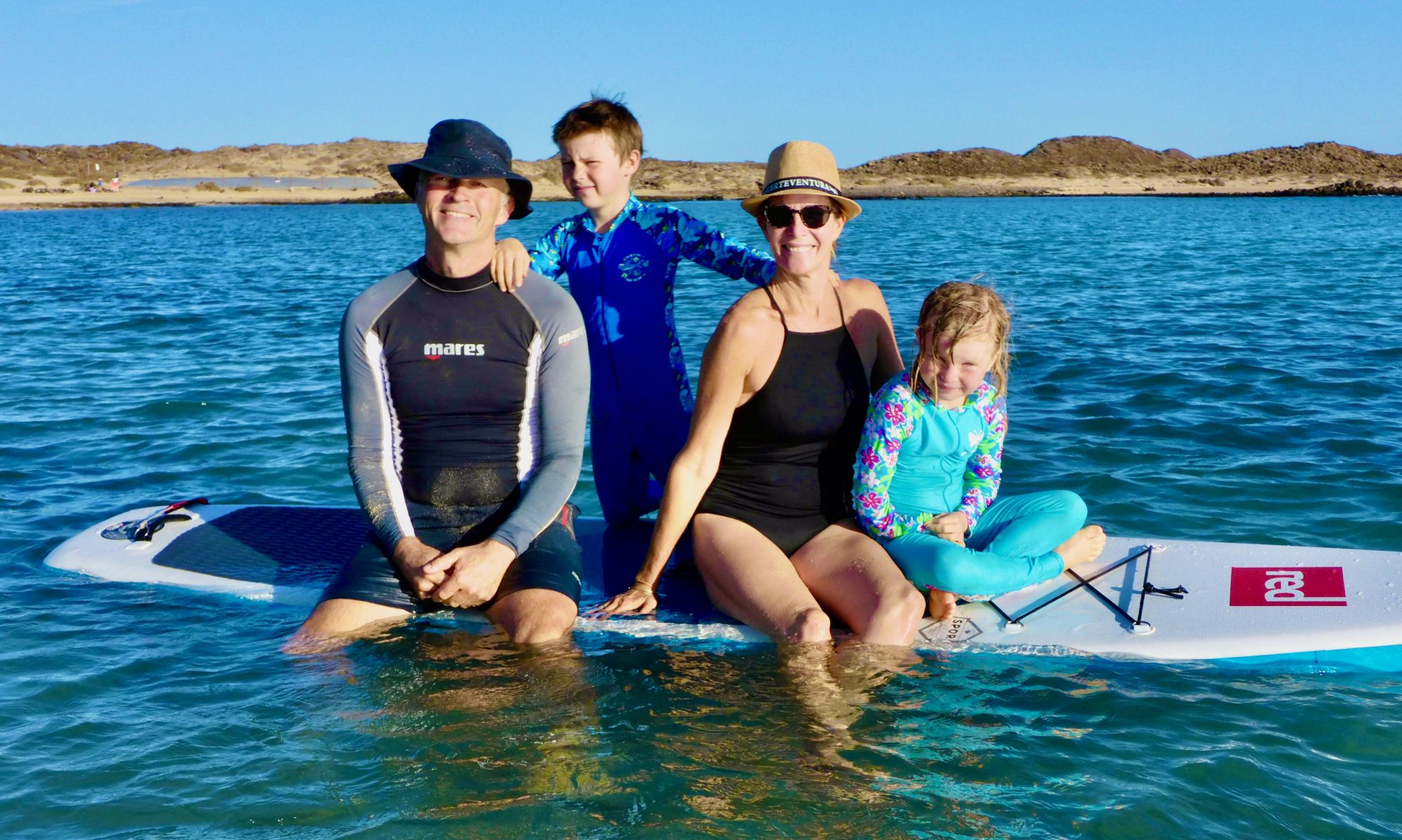
Sugar and Spice

Follow link to read the published article: Sugar, Spice and Everything Nice

When the end of the cruising season in the southern Caribbean was upon us, we did what a majority of Caribbean cruisers do: We sailed south for Grenada. We delayed as long as we could, knowing the hurricane season was upon us but not wanting to be forced south. I had but one impression of Grenada, and that was of rotting boats and retired sailors. It was a cruisers graveyard, or so I thought, and I was far from accepting an end to our sailing days.

Grenada is the southernmost group of islands in the Lesser Antilles archipelago as well as the name of the main island within a cluster of eight smaller islands and about a dozen smaller islets and cays. The only thing I knew of its geography prior to arriving was that it was one of the few island groups in the Caribbean far enough south to be considered out of the hurricane belt. It was with supreme irony, therefore, that we had to shelter in the mangroves on our first day in country from a category 1 storm. As we lashed Ātea’s bow to densely-bound tree roots and secured lines to the cleats of yachts on either side of us, our small unit became a part of the larger, unified collective. Little did we realise that this interconnection would be representative of our Grenadian experience.

Safely through the storm, we disbanded and spread out to explore our new surroundings. We completed our clearance in Carriacou, Grenada’s northern sister island, and we were amazed to see a hundred or so yachts anchored in Tyrell Bay, Carriacou’s main harbour. I knew Grenada was popular, but if the numbers of boats in Carriacou were anything to judge by, I’d have to cope with much larger numbers when we travelled further south. The south coast of Granada not only provides the most settled weather, it is riddled with about a dozen safe harbours from the dominant easterly swell. It the reason why cruisers gather on Grenada’s south coast, and it is also the reason why cruisers remain. Some stay for hurricane season, some use the island as a base for a few years, some retire from active cruising and either settle or sell. One thing was certain, though: Grenada was far more than the end of the line.

Before making the journey south, however, we wanted to stretch out the season by adding in a short circumnavigation around Carriacou, known to the Kalinago (the original Island Caribs) as “The Isle of Reefs.” Given name and reputation, we would spend our time dodging bommies and soaking up the tropical island experience with our feet in the sand, our bellies in the water and our hands on a bottle of rum. We stopped at Petite Martinique, the third and smallest of the three main islands, and enjoyed the rugged, rocky beaches, side-stepping clusters of goat grazing the green rolling hills as we hiked up Mount Piton for panoramic views of the surrounding islands, and climbed down into the Darant Bay Cave for framed views of the same islands at sea level. Of course, we couldn’t miss a few sundowners on Mopion, a tiny sand mound rising amid expansive coral reef with a single beach umbrella perched in the centre. While technically a part of the Grenadines, its proximity to Petite Martinique made a quick dash across the border for a sip in the shade of this unique little spot a worthwhile experience. Living up to its name, Carriacou was an island surrounded by unspoiled reef, and it did not disappoint. A quick tour of her perimeter was the perfect way to salute the end of an amazing Caribbean season.

With a quick stop-over in Ronde Island, a beautiful private island that lay half way between Carriacou and Grenada, we continued our transit south. Again, of things unexpected, I’d not prepared myself for the wild beauty of Grenada’s west coast. Mile after mile of dense, lush forest cascade down the leeward side of the island from peak to sea. We hugged the coastline as we sailed the 13 miles down the west coast, looking up at 2,700 feet of volcanic rock and shear waterfalls that fed the small rivers that ran down the slopes of the mountainous interior to the coast. While Grenada is well reputed as a tourist destination for holiday-makers seeking either a sun-drenched party or quiet refuge on one of its 45 beaches, I knew from sailing down the coast that my preferences would draw me inland.

Grenada’s coastline contains many large bays, but the majority of yachts head for safe anchorage behind one of the many narrow peninsulas that spit up the southern coastline. As we pulled into Prickly Bay, the first of Grenada’s southern harbours, I knew from the crowd of yachts that I would be escaping to the interior as soon as possible. As it turned out, I didn’t get that chance. As soon as we dropped anchor we were invited ashore for a cruiser’s jam session, reconnecting with friends from past seasons. The following day we found ourselves crammed into the back seat of a taxi on our way to an event for the annual Chocolate Festival, and our schedule quickly filled after that: Tours of cocoa plantations, cocoa grinding competitions, chocolate tastings and chocolate drawing contests. In additional to the island’s cultural events, we were also immediately drawn into the cruiser’s social scene. On our first week of arrival our mornings were already booked into early morning yoga and bootcamp on the beach, and the kids joined a cruiser’s homeschooling collective and regular extracurricular activities that were held under the shade of the trees. If we weren’t listening to live music or joining the beach barbecues put on by the locals in the evenings, we were sitting poolside and sipping beers from a $5 bucket with a crowd of other cruisers at Le Phare Bleu, a boutique hotel who’d opened their amenities and their services to cruisers during the pandemic. Every morning there was an activity and every evening there was a social get-together, and the weeks flew by in a social extravaganza unlike any we’d experienced. As yachts gather in Grenada every year for the hurricane season, it was clear that the regularity of this influx of boats had resulted in a solid cruising community and a variety of services and events that have arisen from it. Far more than a collection of retired boats and sunburnt seamen, my preconceived notions of Grenada didn’t come close to the reality of the vibrant cruising network that existed on this popular island.

As we made new friends and reconnected with old ones, we found that we really enjoyed the buzz that the tight community offered. Pulling myself out of the continuous activity took a concerted effort, but I eventually dragged the family off the beach and up the mountains. After our trip into the interior, I knew I had a new passion for my time in Granada: Exploring waterfalls. A short bus journey followed by a hike into the forest would lead us to one of Granada’s many waterfalls, and unlike other tourist destinations where fees were handed over and you’d stand under falls next to groups of other tourists, we had the rivers free of cost and all to ourselves. Some of the trails were a short distance from the road, and we’d hop on and off a bus to walk the short distance to the falls. Others, such as Seven Sisters and the Concord Falls, required planning as it took a full day to hike in and out of the forest, clambering up steep banks and criss-crossing the river to wind through deep forest to get a view from the top. Each part of the river that ran down from one of the six inland lakes had its own magic and I was enthusiastic to see what each had to offer. It was only later it that I really appreciated all that I’d gotten in terms of Grenada’s inland beauty. As I paid $20 per person to stand in crowd under cascading water in Costa Rica’s most popular waterfalls, I couldn’t help but compare it to all that I’d been able to see and experience in Grenada’s secluded, remote interior.

In additional to nature, we explored some of the historical roots of Grenada’s past. Grenada’s original economy was based on sugar cane and indigo, and with that came the importation of slaves in the mid-seventeenth century to work and harvest the crops. We set out to search for some of the old plantation houses and slave pens that remained from that period, which took us on a wild tramp through the the backstreets of quiet neighbourhoods and into unmarked bush to find these lost relics. It was quite the education for our children to see the small, dank, windowless stone slave quarters set behind grand old houses, a potent reminder of darker times in this beautiful and vibrant country. We also smelled and sampled some of Grenada’s more current crops, nutmeg, mace and cocoa at the top of the list of exports, and enjoyed local culinary treats such as oil down, a vegetable stew that is the country’s national dish. Thanks to these excursions we can say that Grenada is, both figuratively and literally, full of sugar and spice.

Cruising often leaves you tied to the boat and, therefore, the sea. Grenada was a wonderful period of enjoying the most of both land and sea in equal balance, and in doing so we were able to get the most of what the country has to offer. To see the beaches but not the forest, lakes and rivers is to get only half the experience; likewise to spend time inland but not explore the coast leaves only half an impression. As Grenada offers safe anchorage throughout the hurricane season, cruisers remain in close proximity for an extended period of time, sharing experiences and building friendships. This is unique for a community that is typically very transient, and offers plenty of opportunity to create a home away from home atmosphere. In addition, there are suitable yacht services available so that the period of time spent waiting for the next season gives everyone a chance to get much needed repair work done. Far from being the end of the line, Grenada offers an interim rest stop where friendships are forged and yachts are restored on an island that offers a wide range of activities and opportunities both on and above the waterline.

<a href=”http://<a href=”http://<iframe src=”https://www.facebook.com/plugins/post.php?href=https%3A%2F%2Fwww.facebook.com%2Fsvatea%2Fposts%2Fpfbid02ohD7ih7fuqf817wxVfGFqfZBwNAAgbL339bqJ8tboADg2jcLbP3xYVCHaphunGtTl&show_text=true&width=500&#8243; width=”500″ height=”683″ style=”border:none;overflow:hidden” scrolling=”no” frameborder=”0″ allowfullscreen=”true” allow=”autoplay; clipboard-write; encrypted-media; picture-in-picture; web-share”>” data-type=”URL” data-id=”<a href=”http://Images

Bonaire’s a Blast

Bonaire was a mini-holiday destination for us and we lapped up the luxuries through excellent shoreside meals, social sunset happy hours, desert hikes, round-the-island road trips and daily dives off the aft end of the boat. Diving in Bonaire is like hopping into an oversized aquarium, where everything is benign and beautiful, colourful and diverse, easy and accessible, placid and playful, all the way down to the miniature seahorses resting on the mooring block. There were none of the challenges that can be so typical of cruising in this small Dutch colony. Here, everything was easy: The weather, the life ashore, the life under water, the diving, the sailing, the socialising. Our days were full of fun and full of rum, without a worry in the world. 

A full account of our time in Bonaire was published by PassageMaker in the following article: The ABCs of Bonaire.